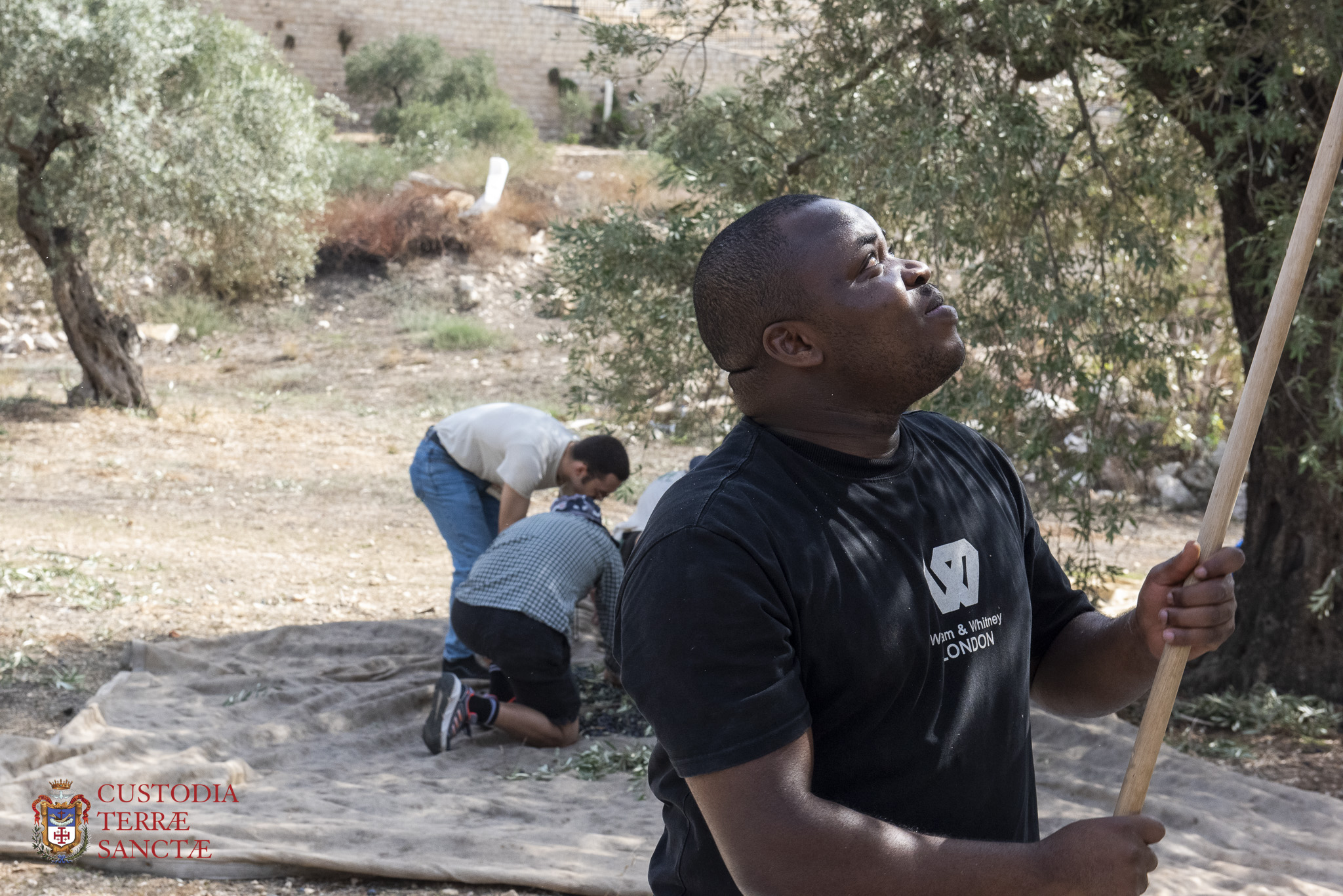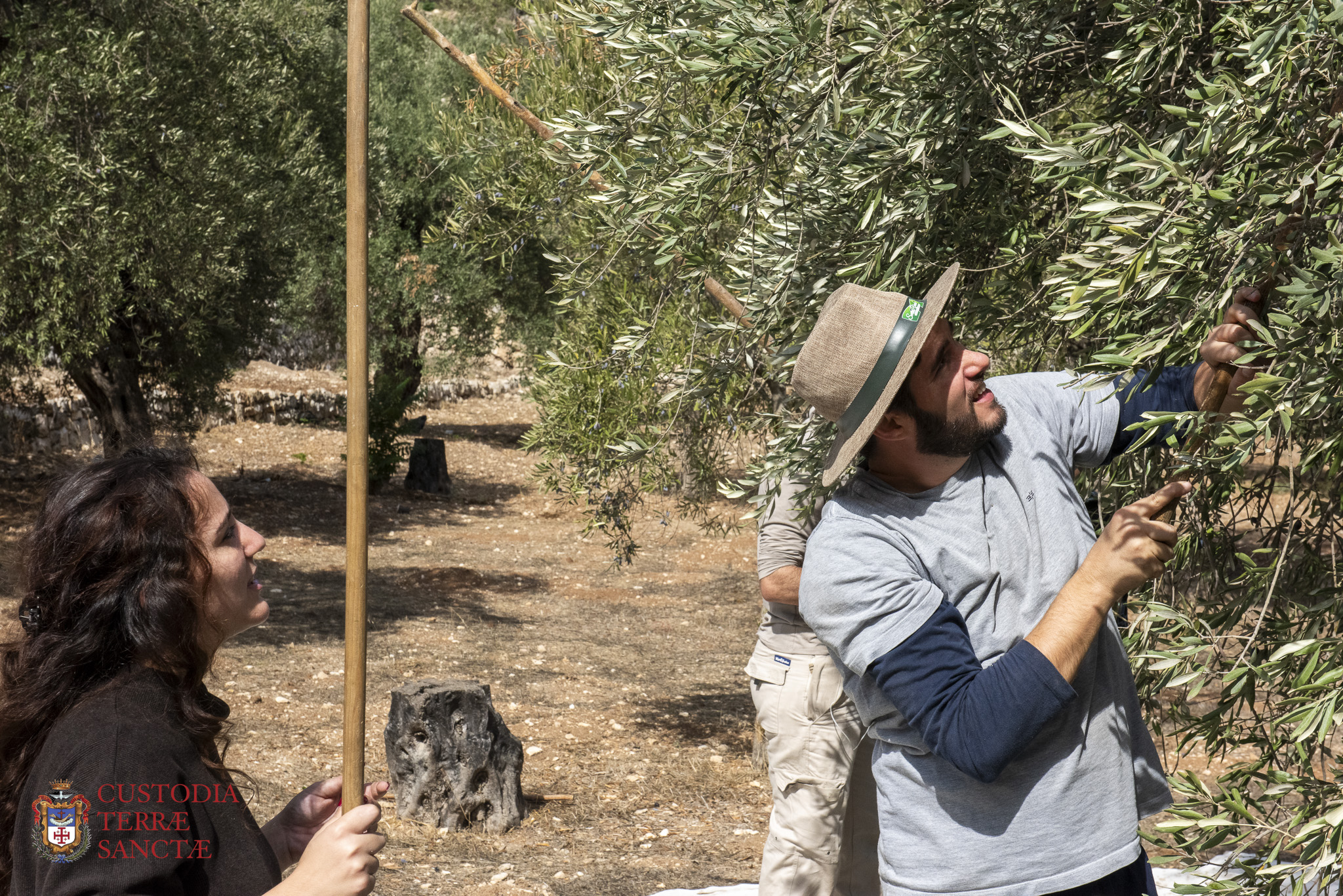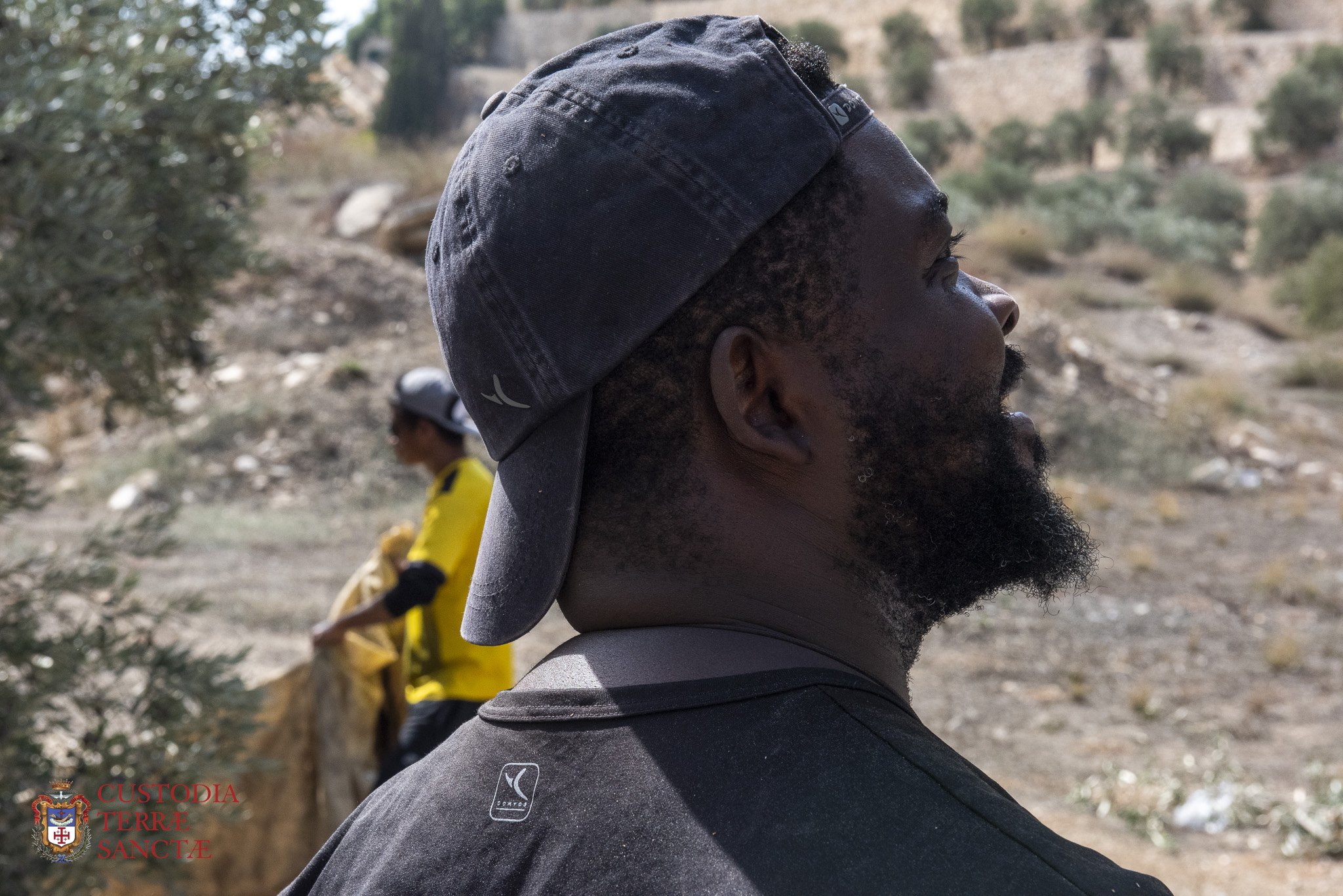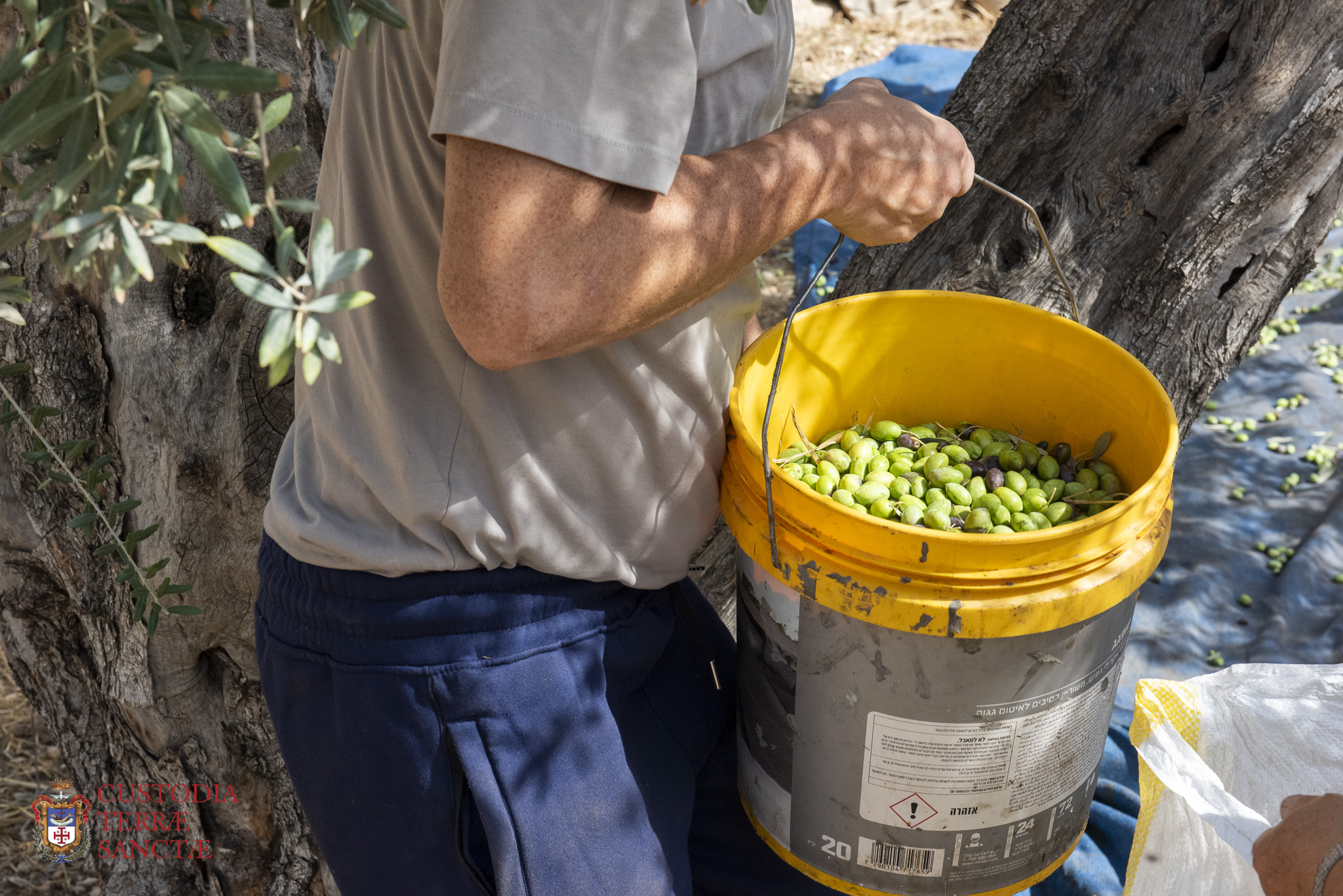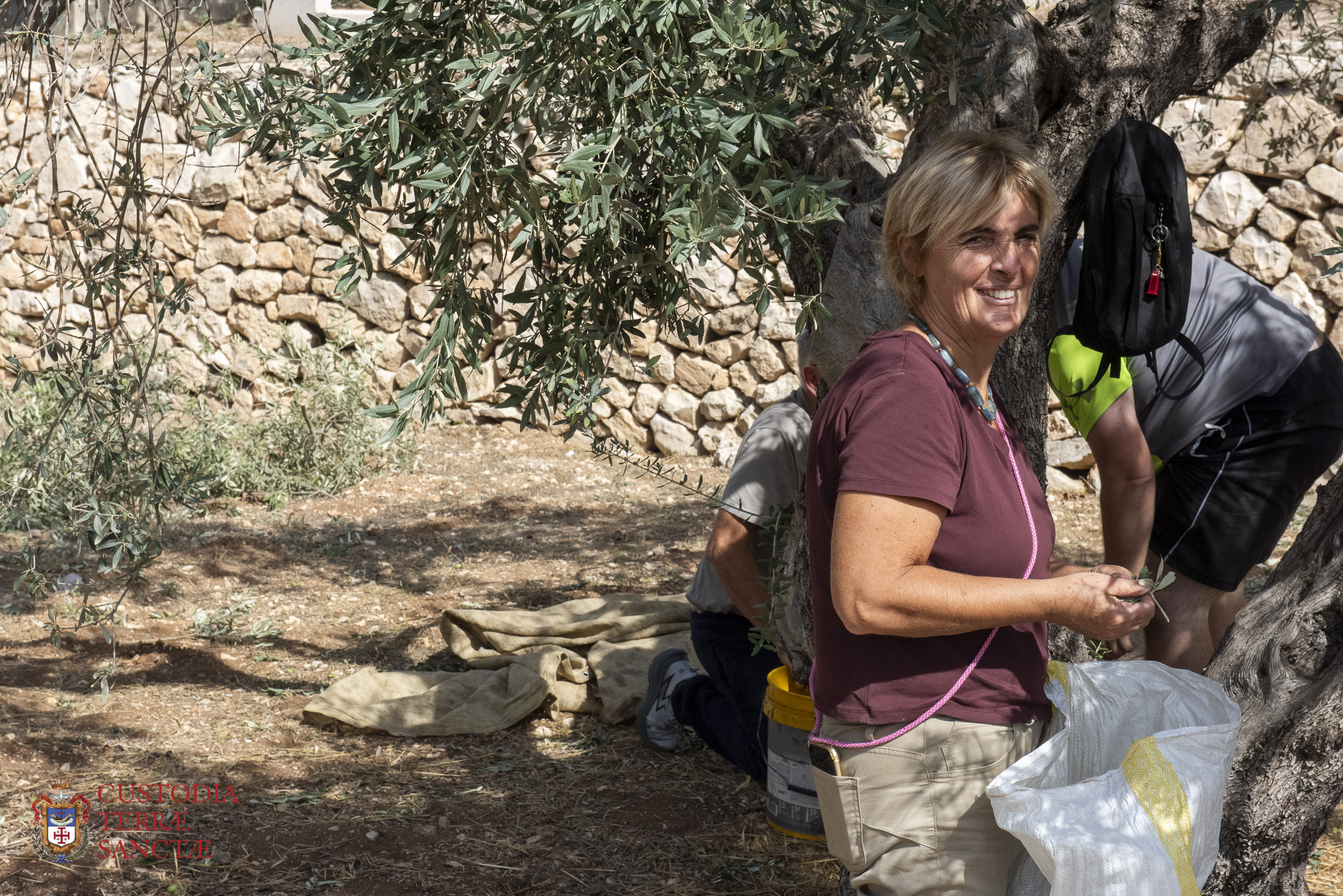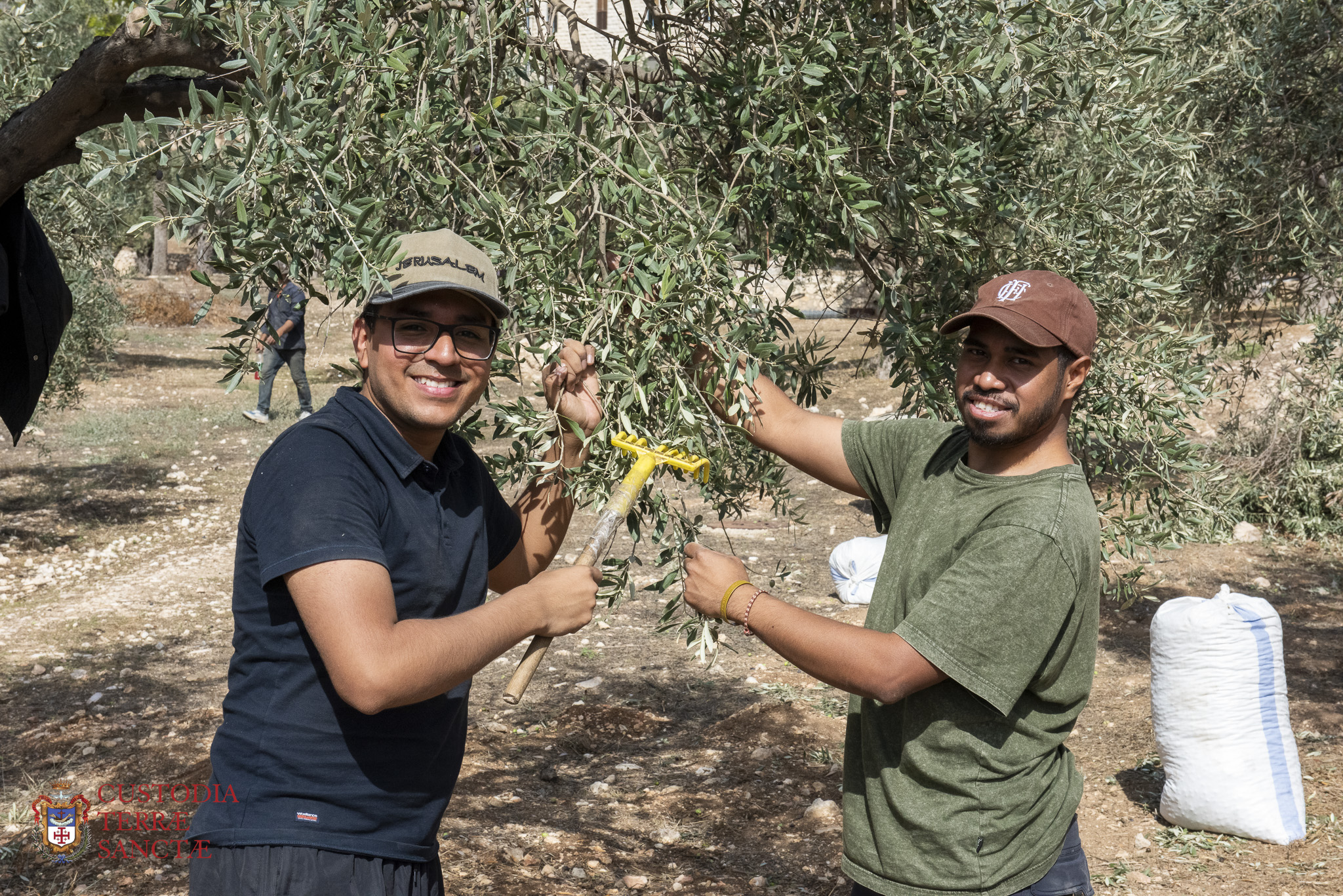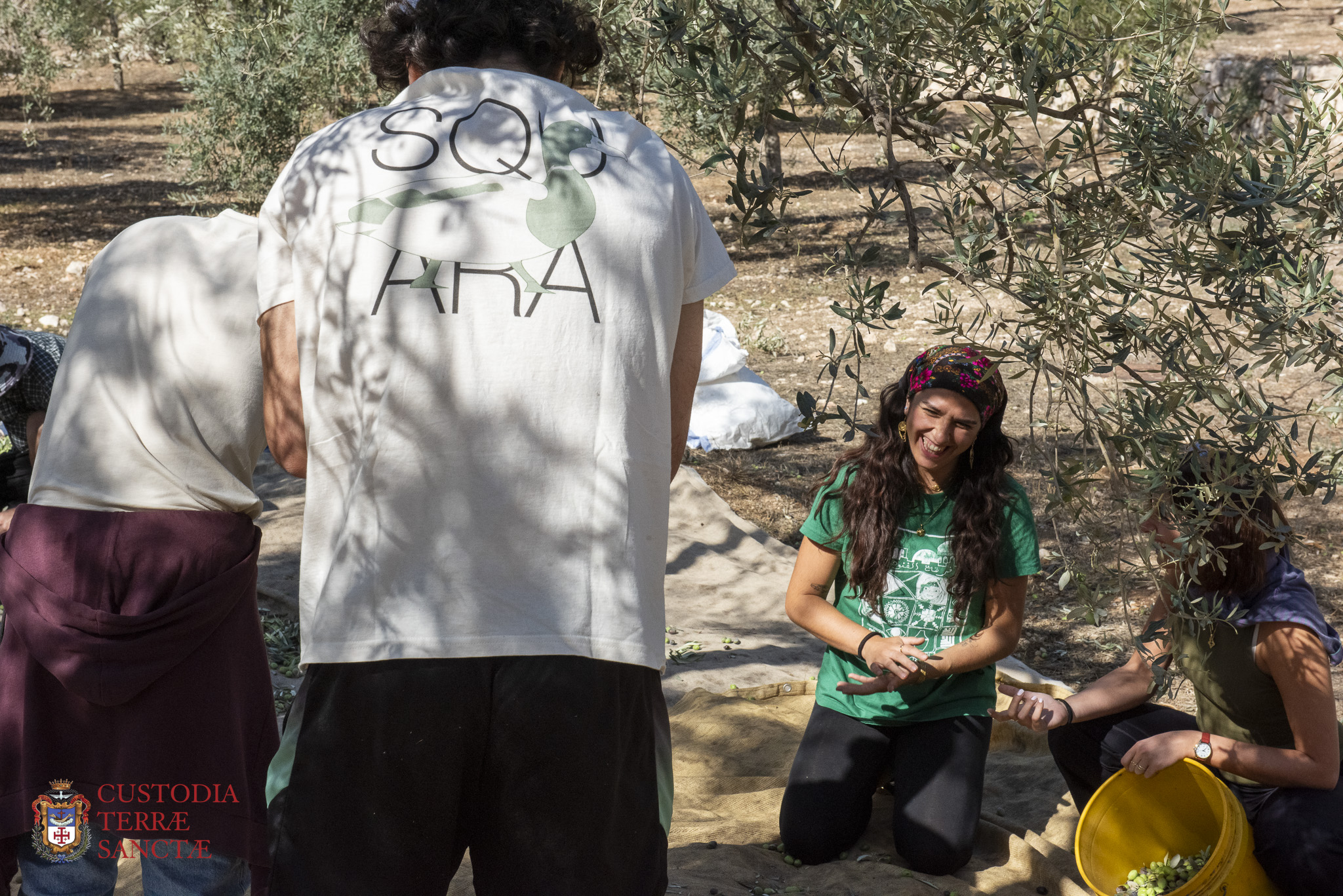
Gathering olives means a great deal for the Holy Land. Every year, entire communities take part in an event that brings together past and present, age old traditions and everyday life, culture and work. Everything revolves around a fruit that represents not only one of the most significant elements of biblical tradition, but also a symbol of those who live in this land.
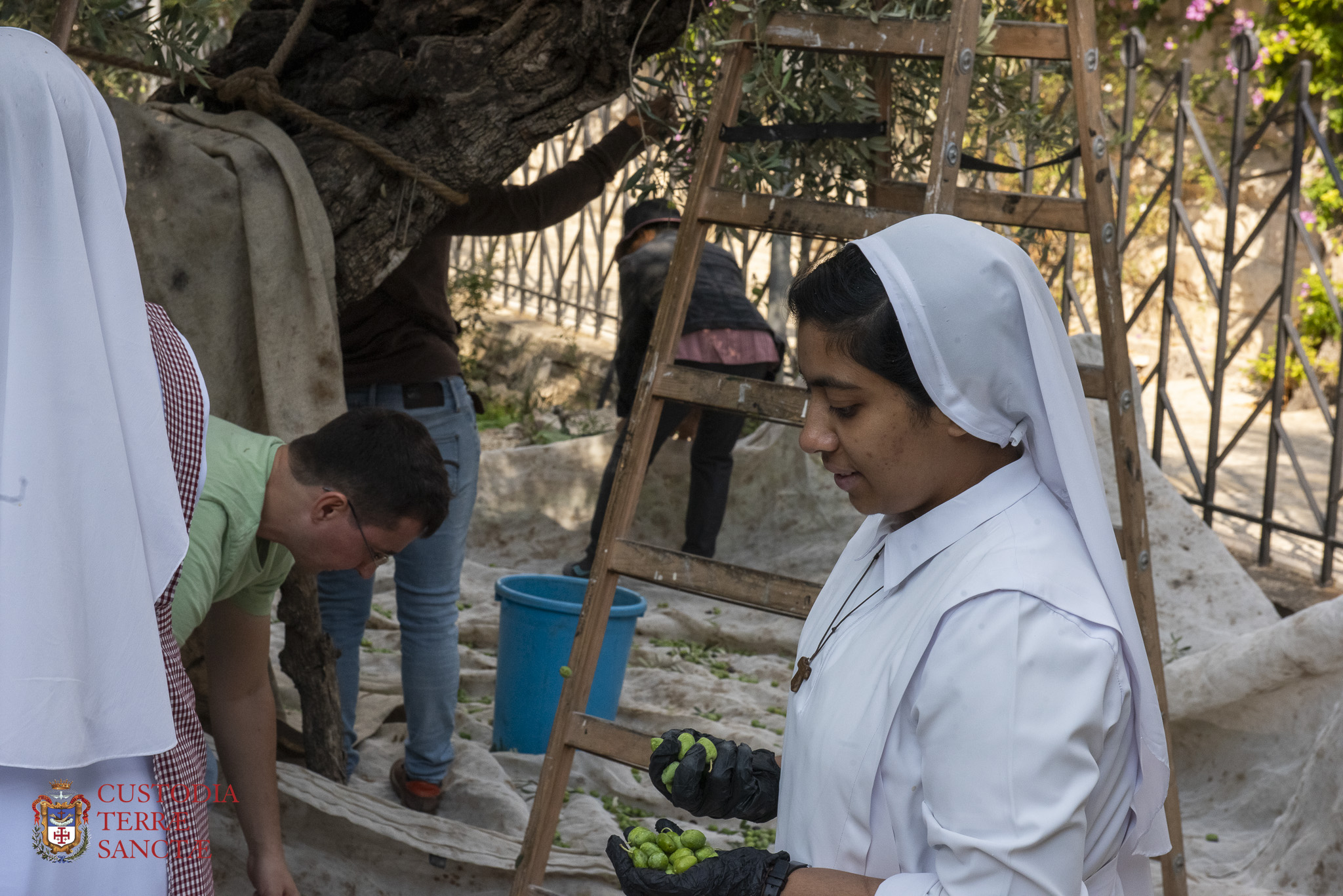
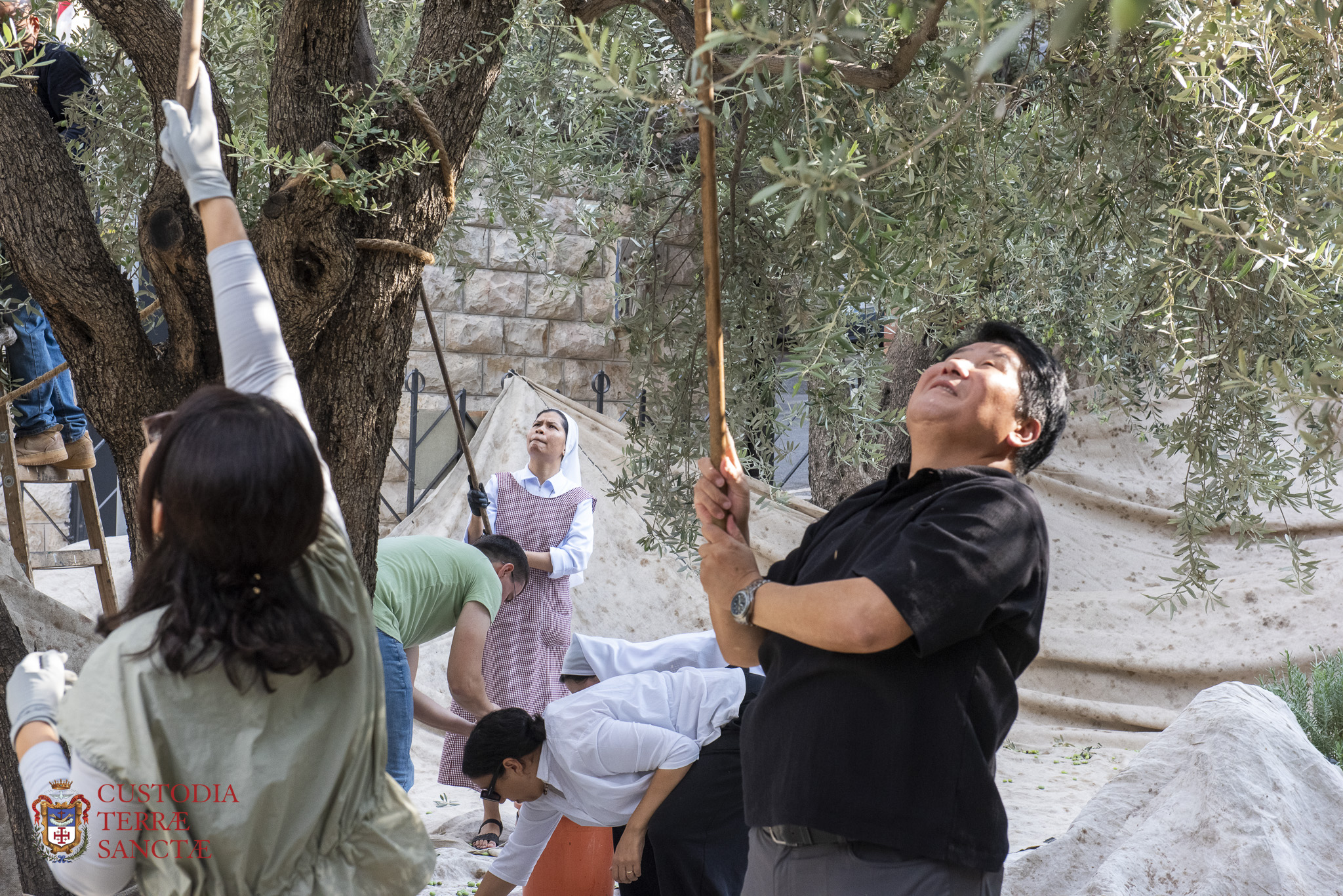
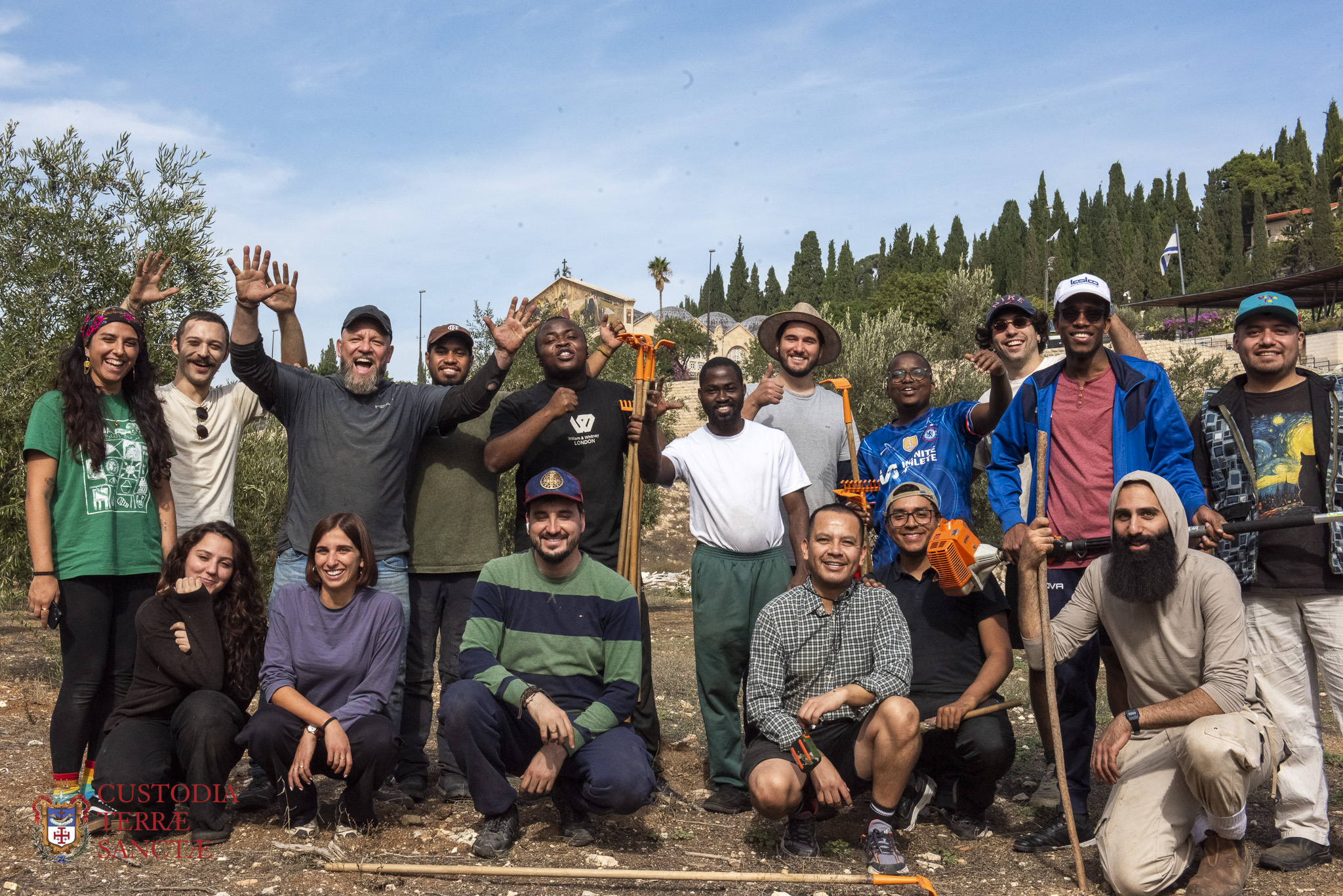
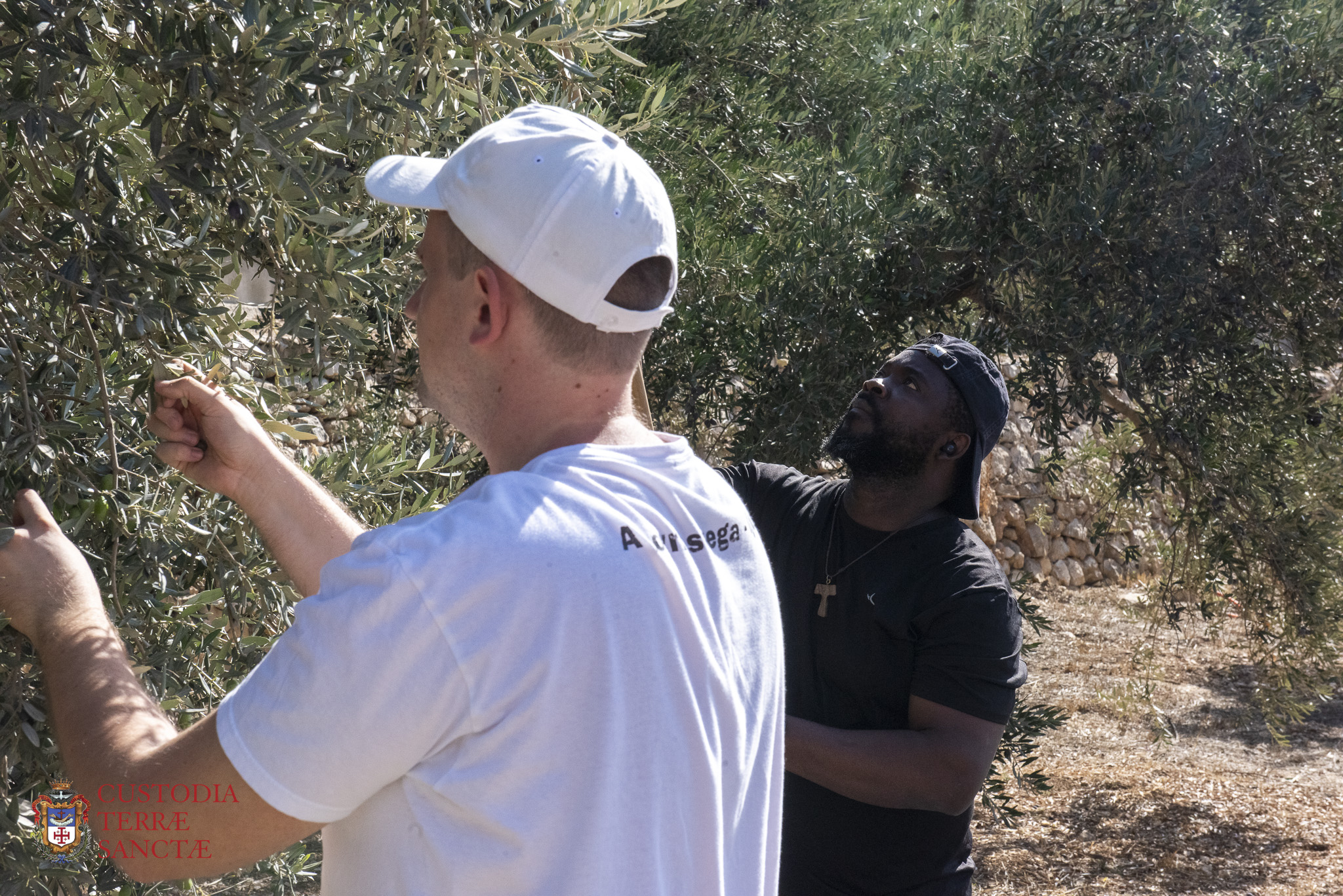
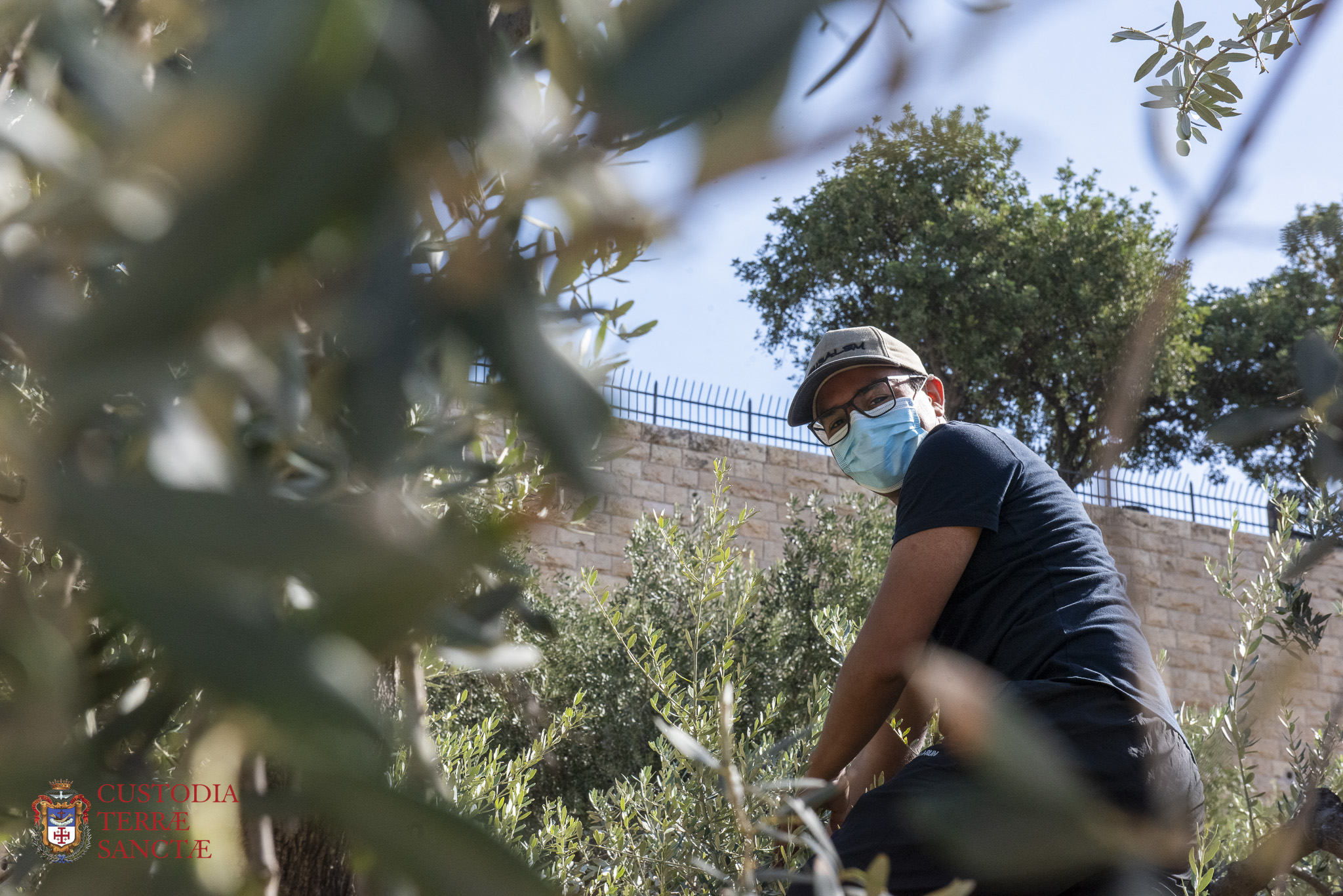
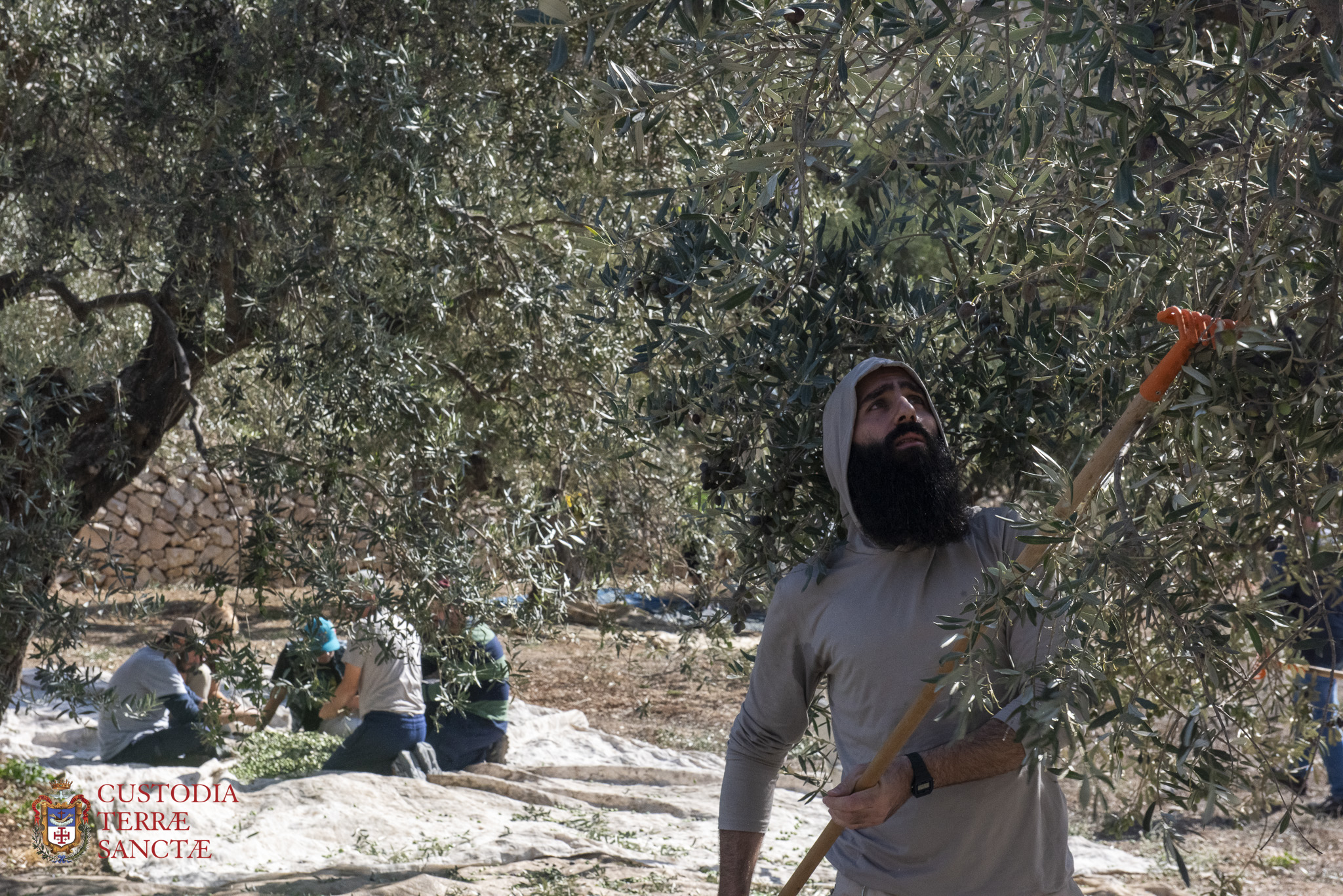
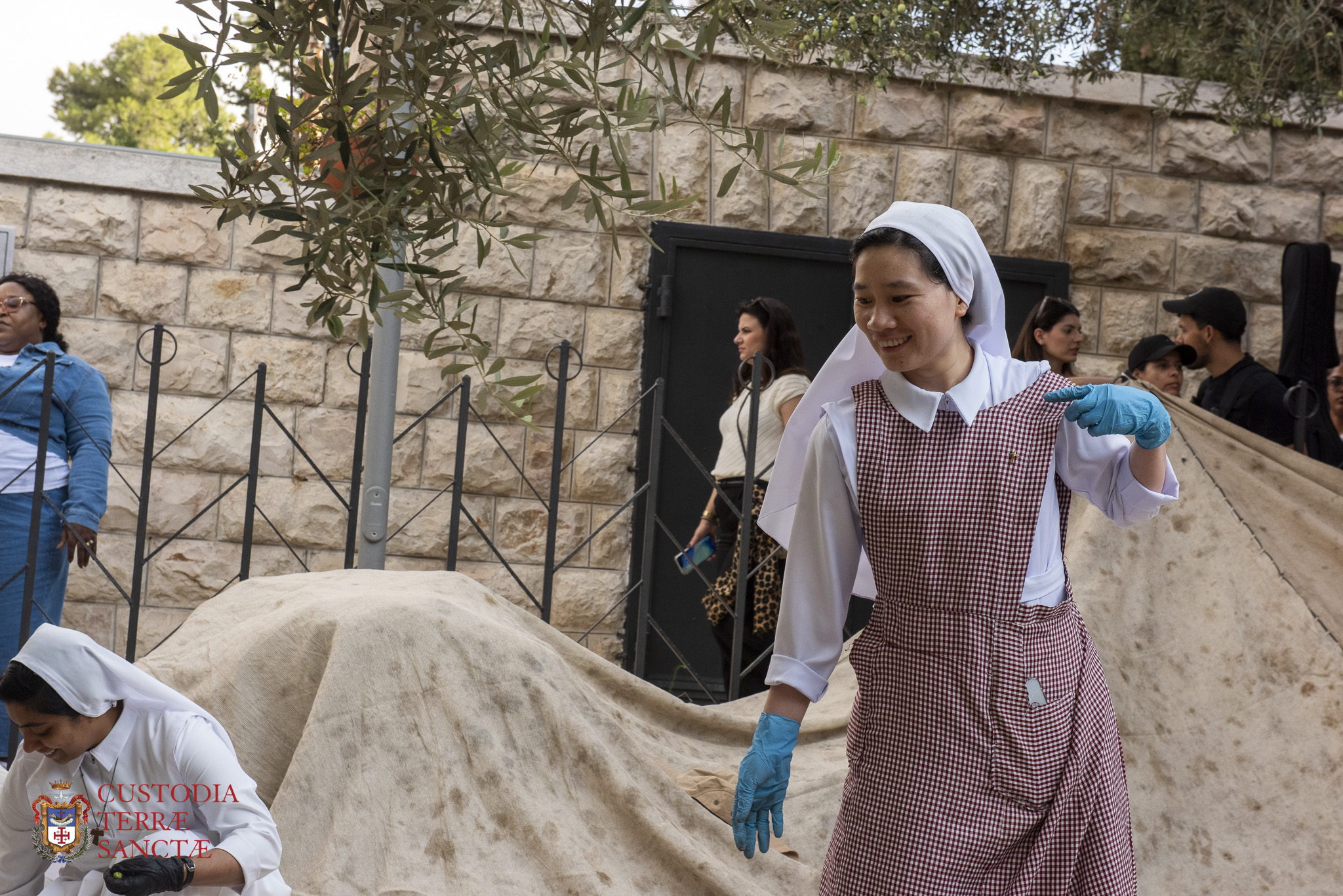
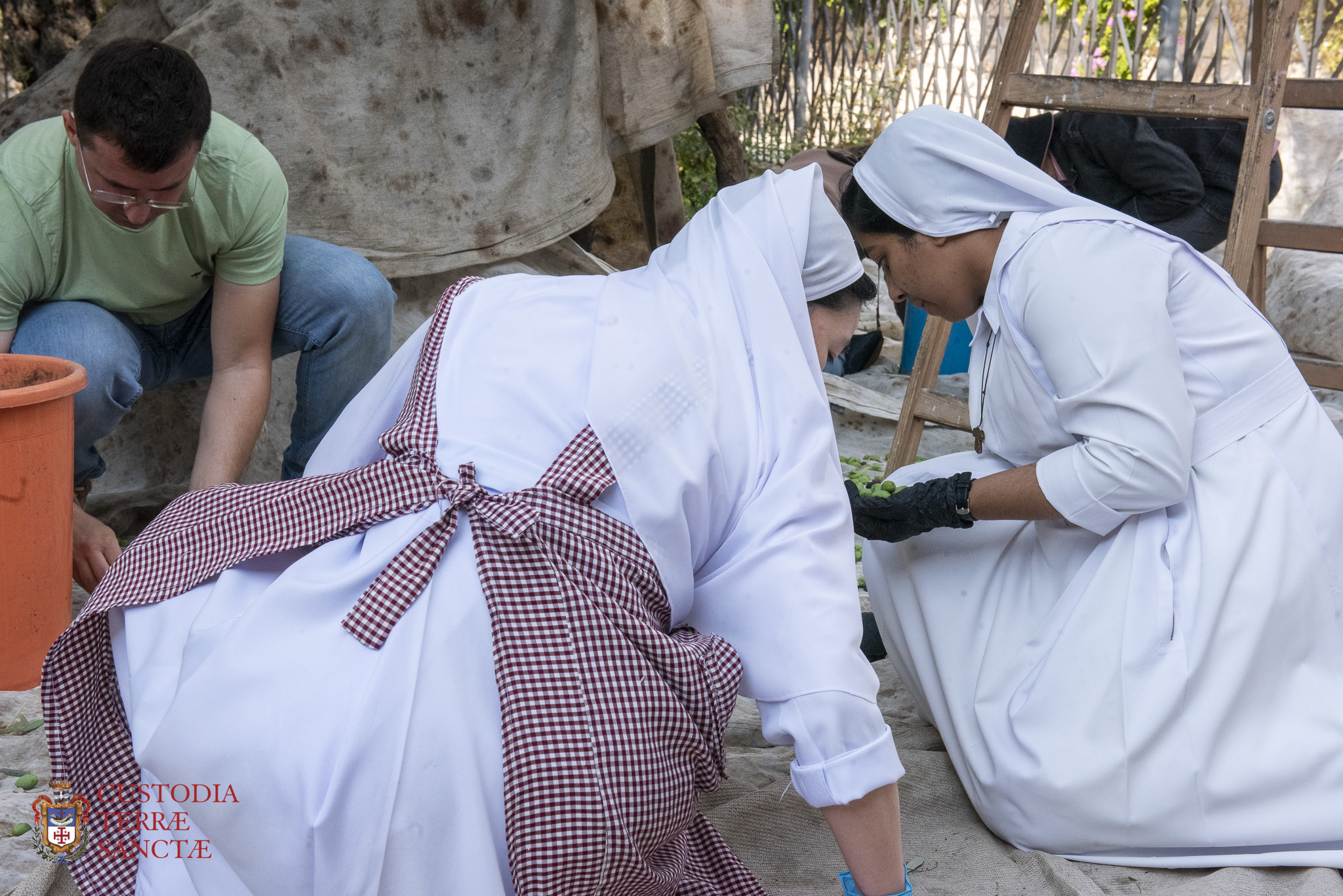
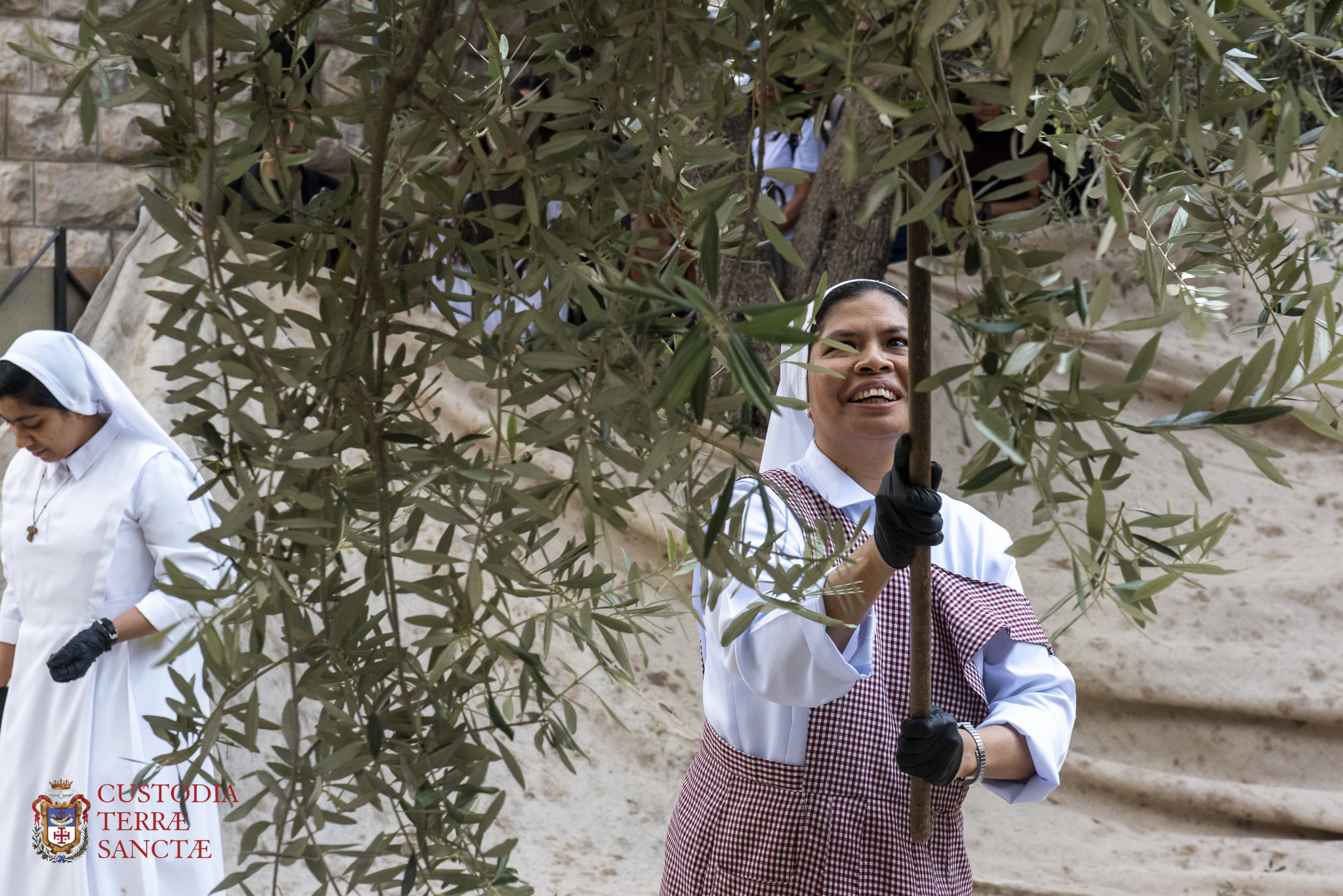
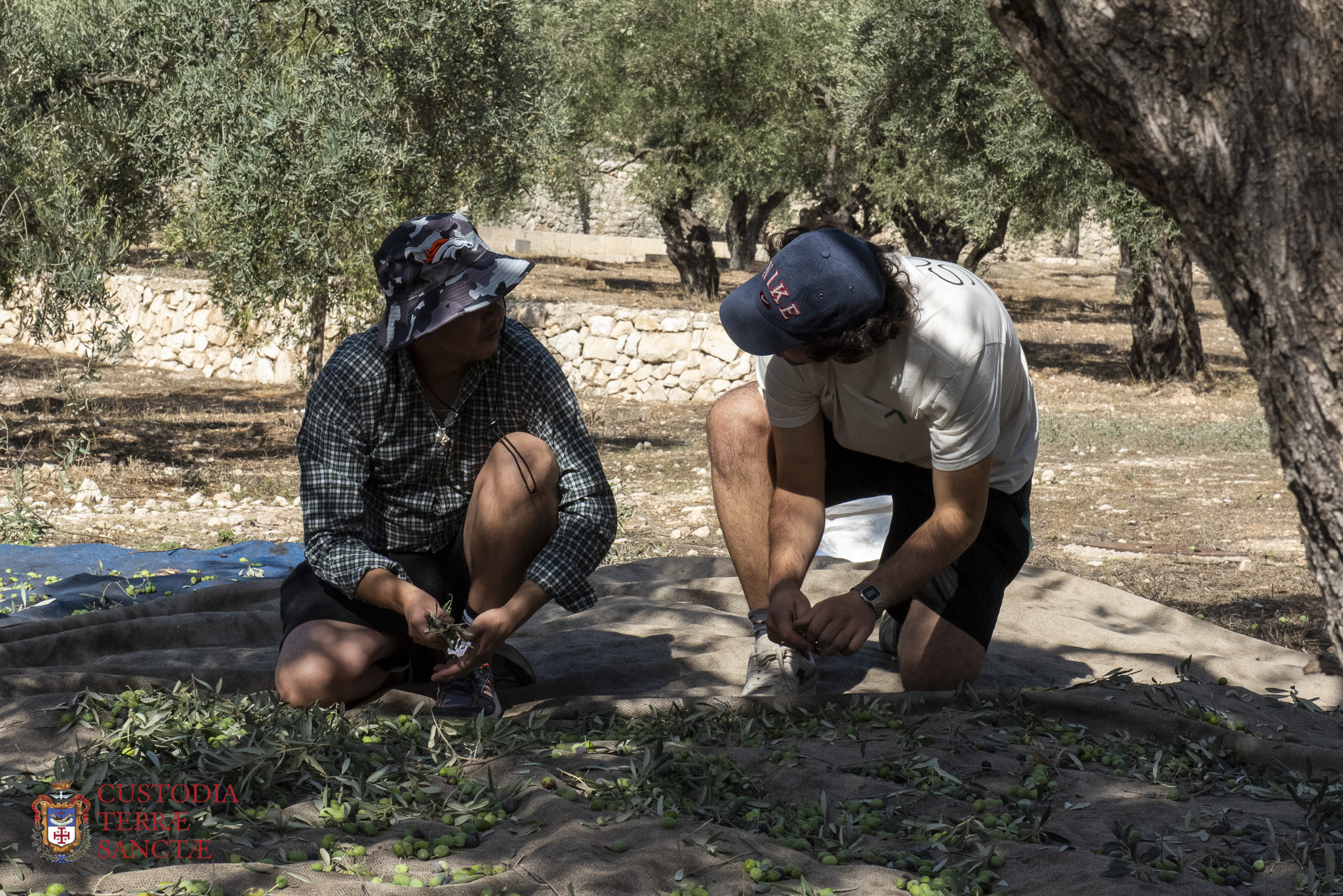
This is also true of the places entrusted to the care of the Franciscan Family, where every year, the harvest becomes an opportunity for meeting and sharing. Among the trees of the Garden of Gethsemane, in the Kidron Valley, at the foot of the walls of the Old City and at the convent of the Poor Clares, friars, sisters and lay volunteers worked together, dedicating time and energy to gathering the fruit of the olive trees.
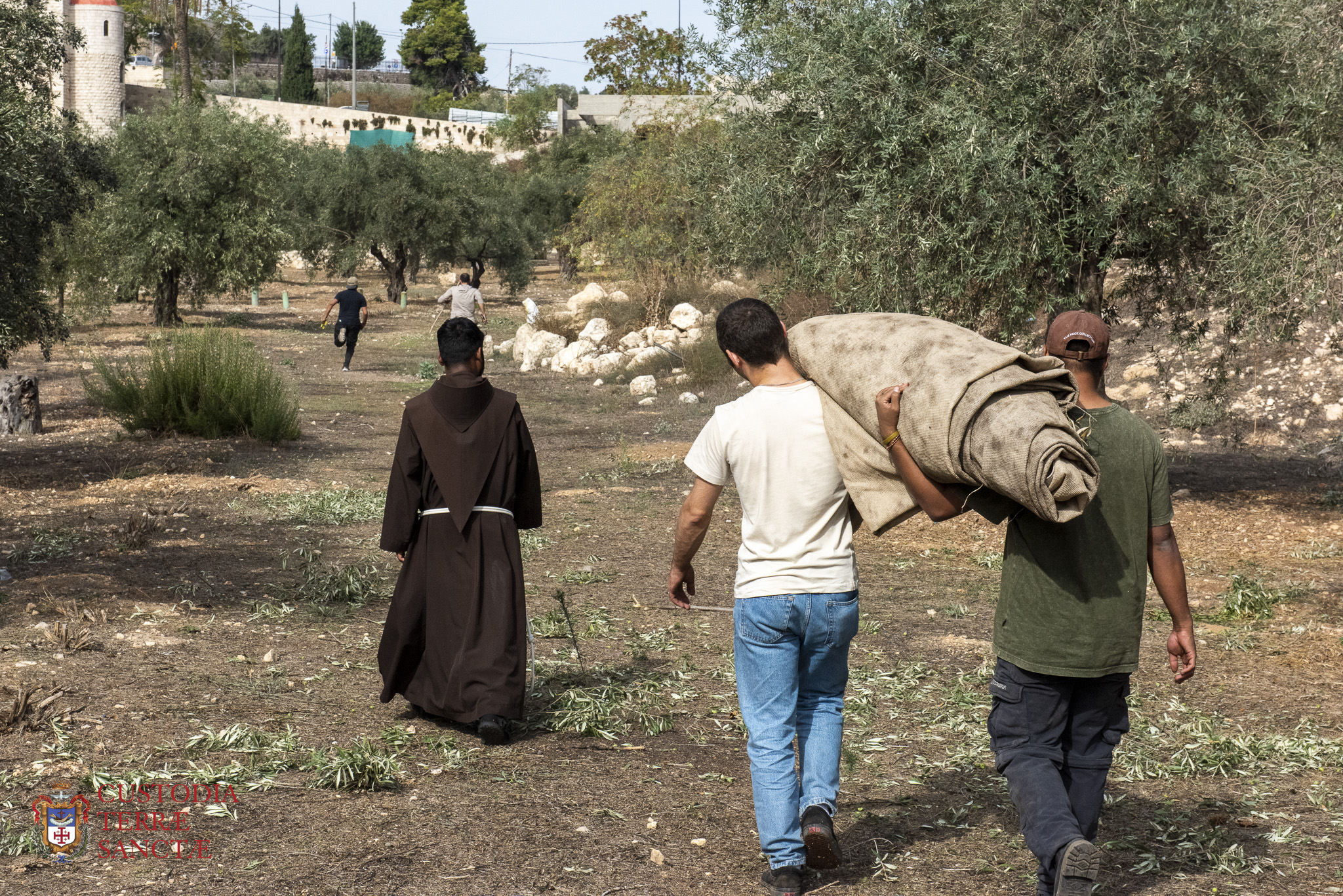
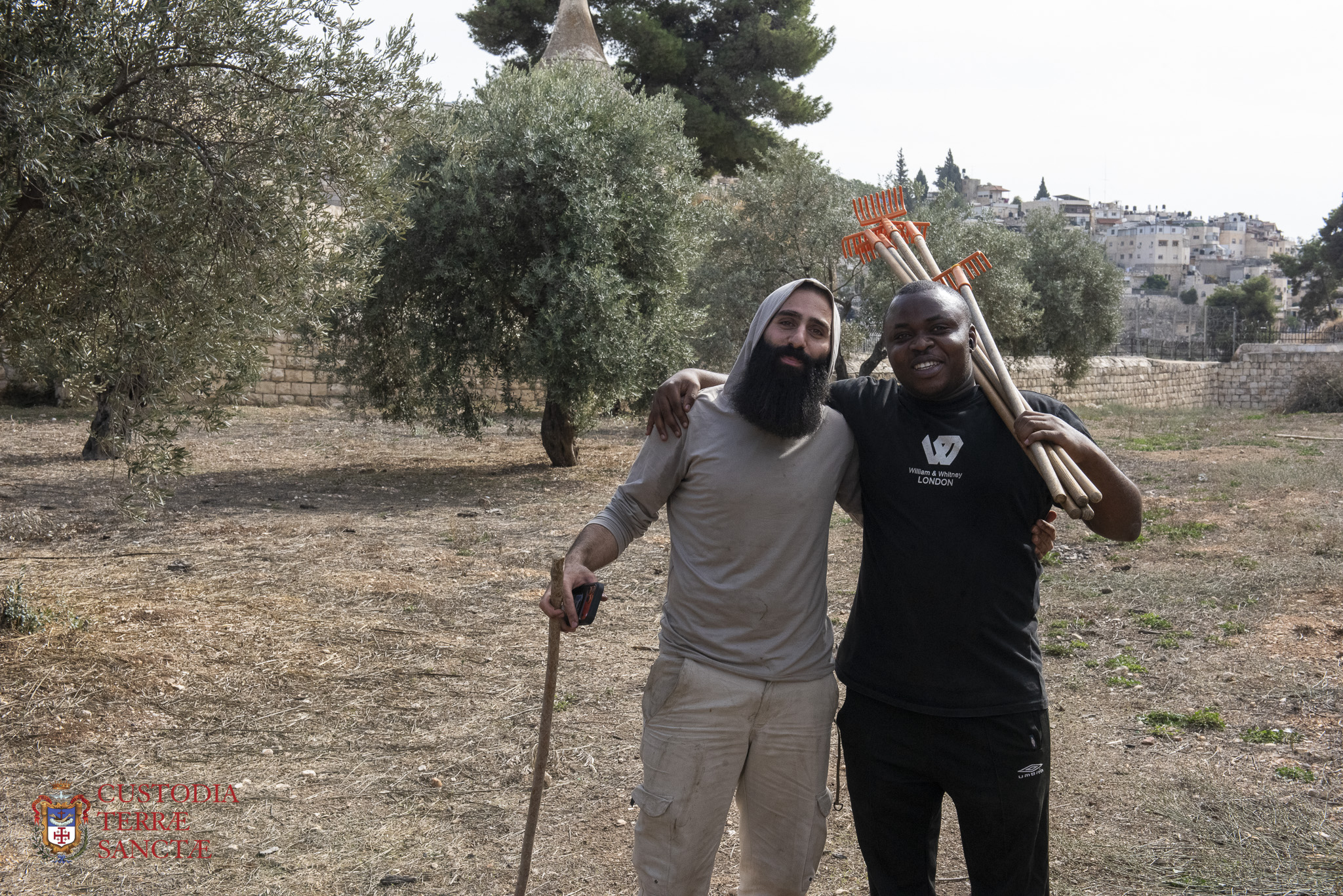
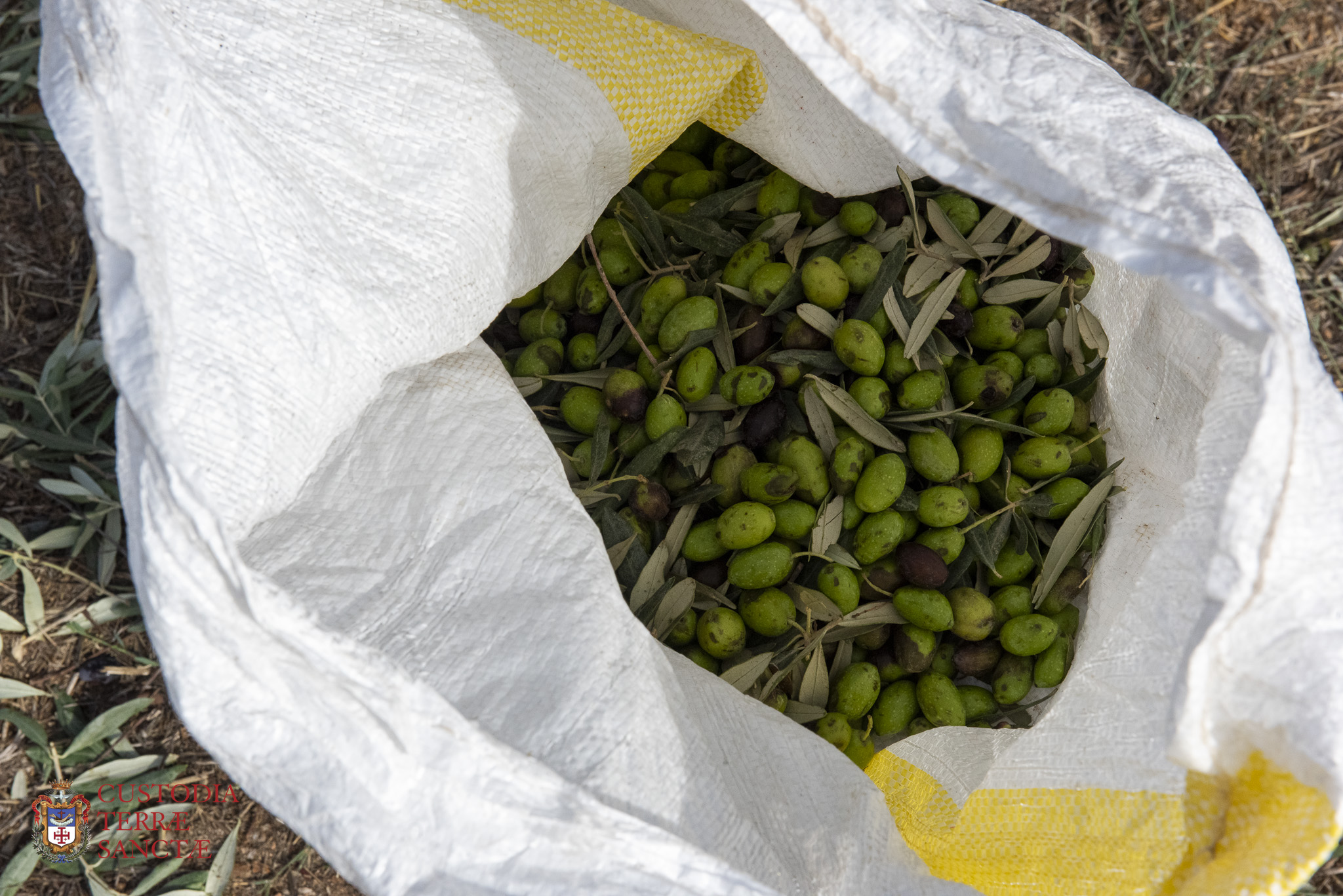
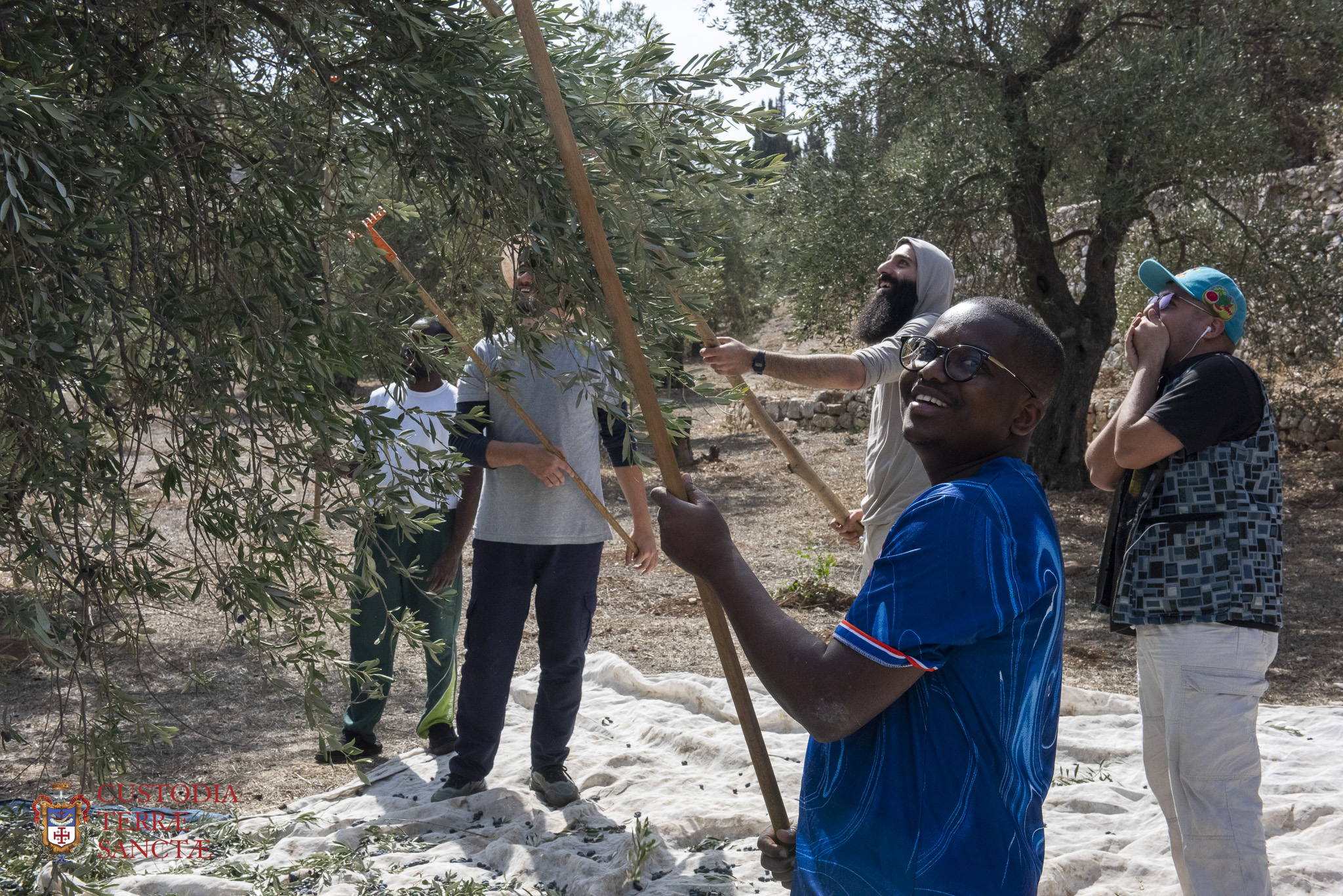
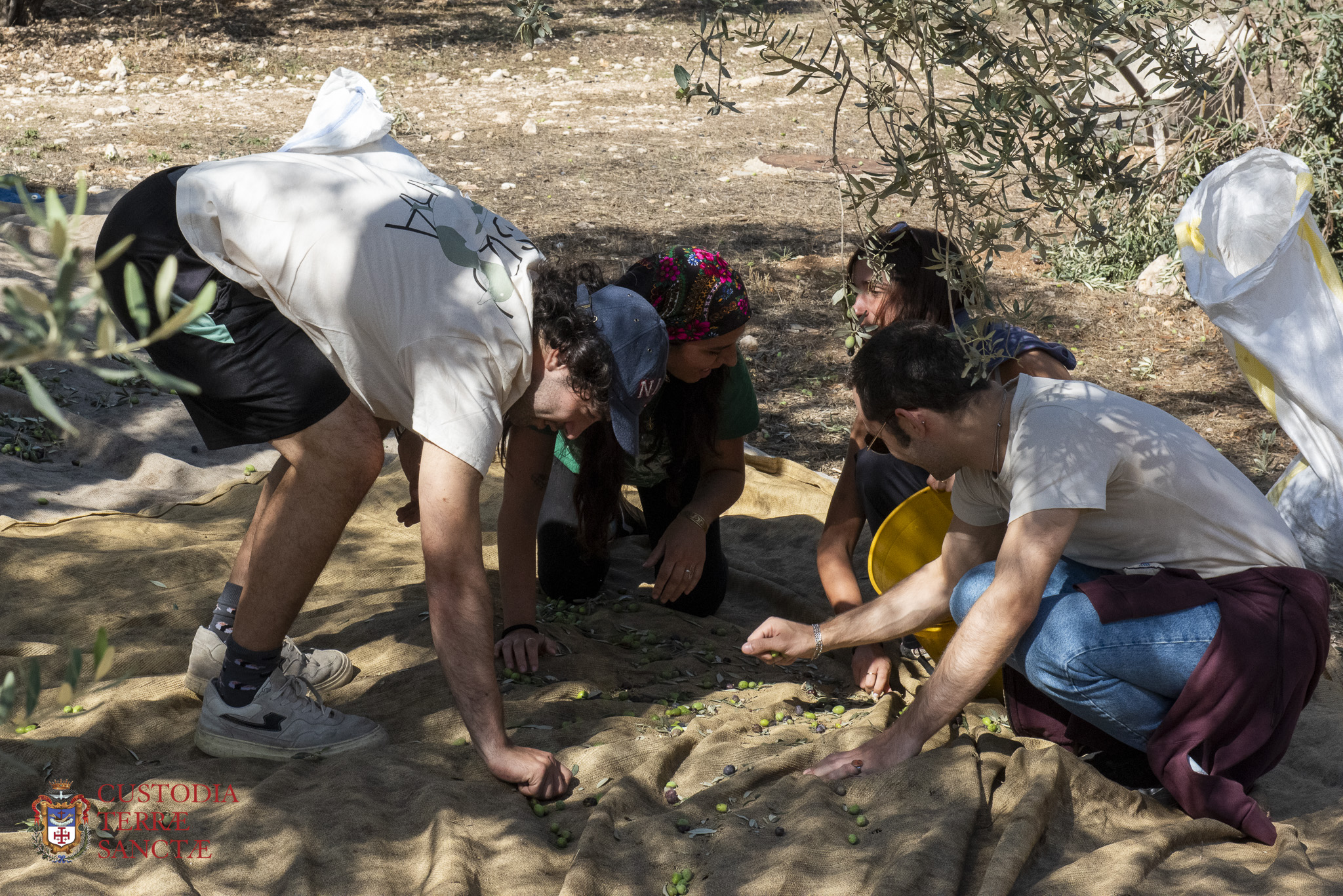
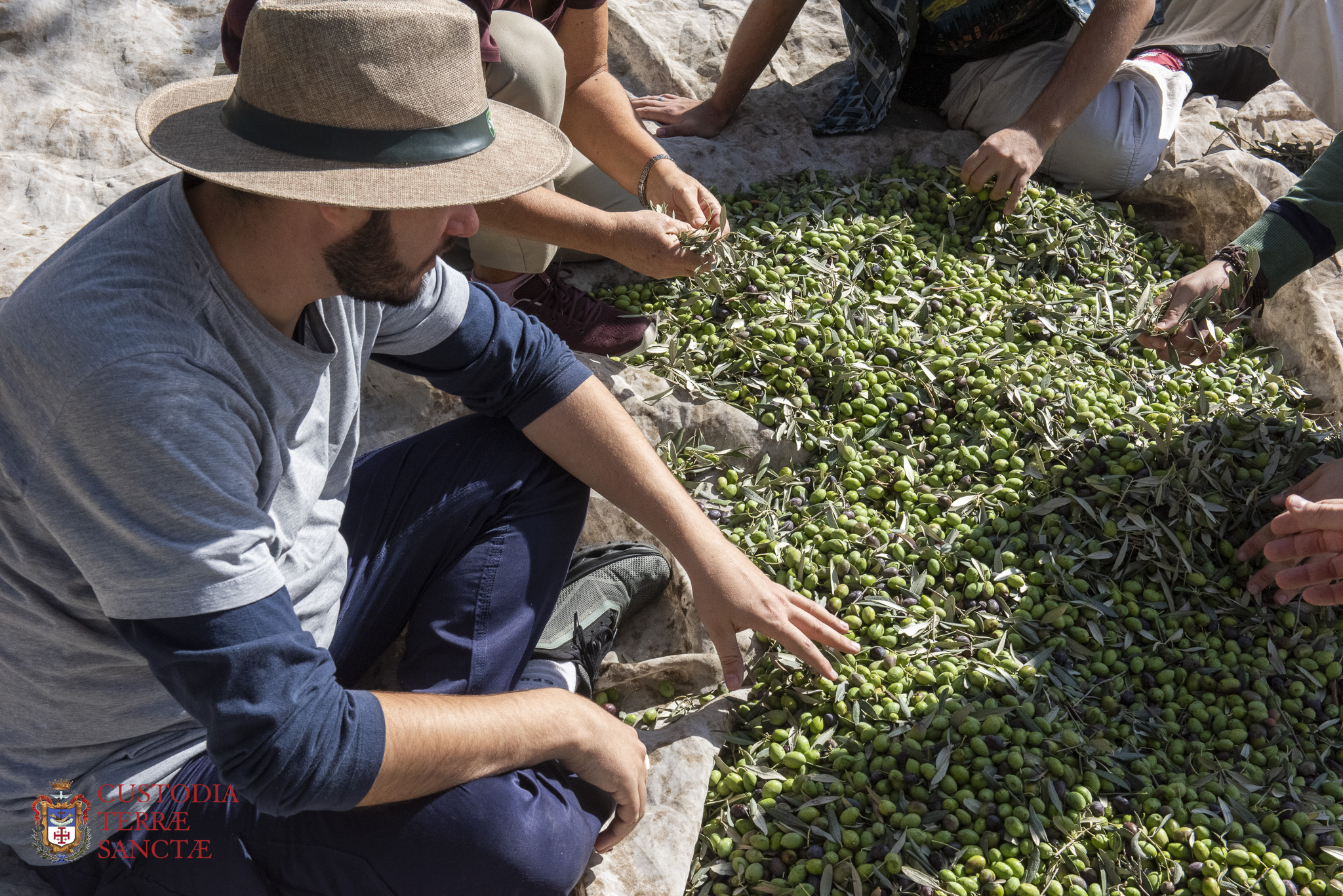
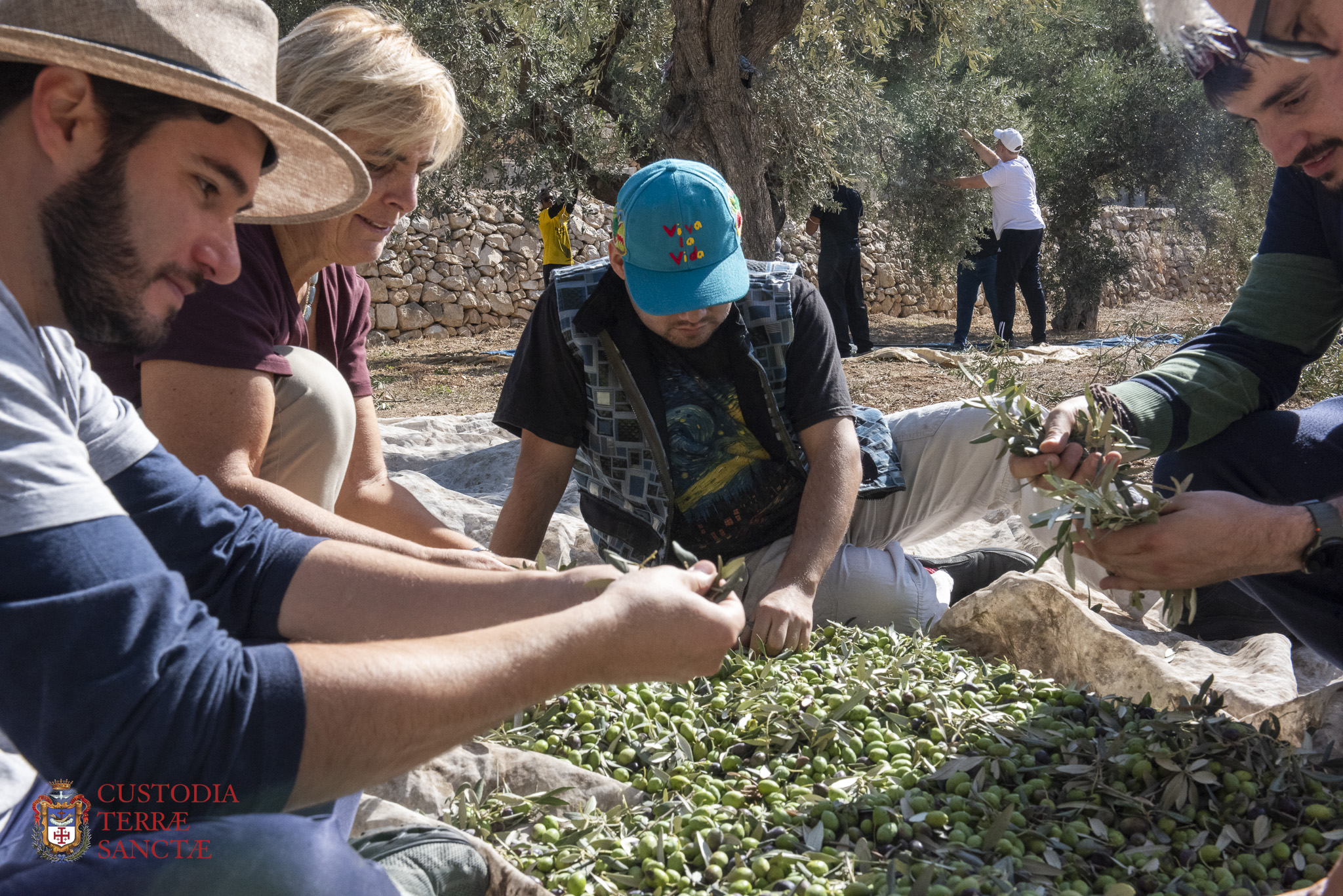
A task carried out through simple and practical gestures: caring for the trees, arranging the nets, beating the branches, gathering the olives, cleaning them, filling the baskets and taking them to the storehouse in preparation for pressing. Activities in which there are no separations or distinctions, but only arms and hands working together. A shared commitment. A concrete expression of fraternity, to care for a land entrusted to friars and sisters, but which also speaks of a living faith.
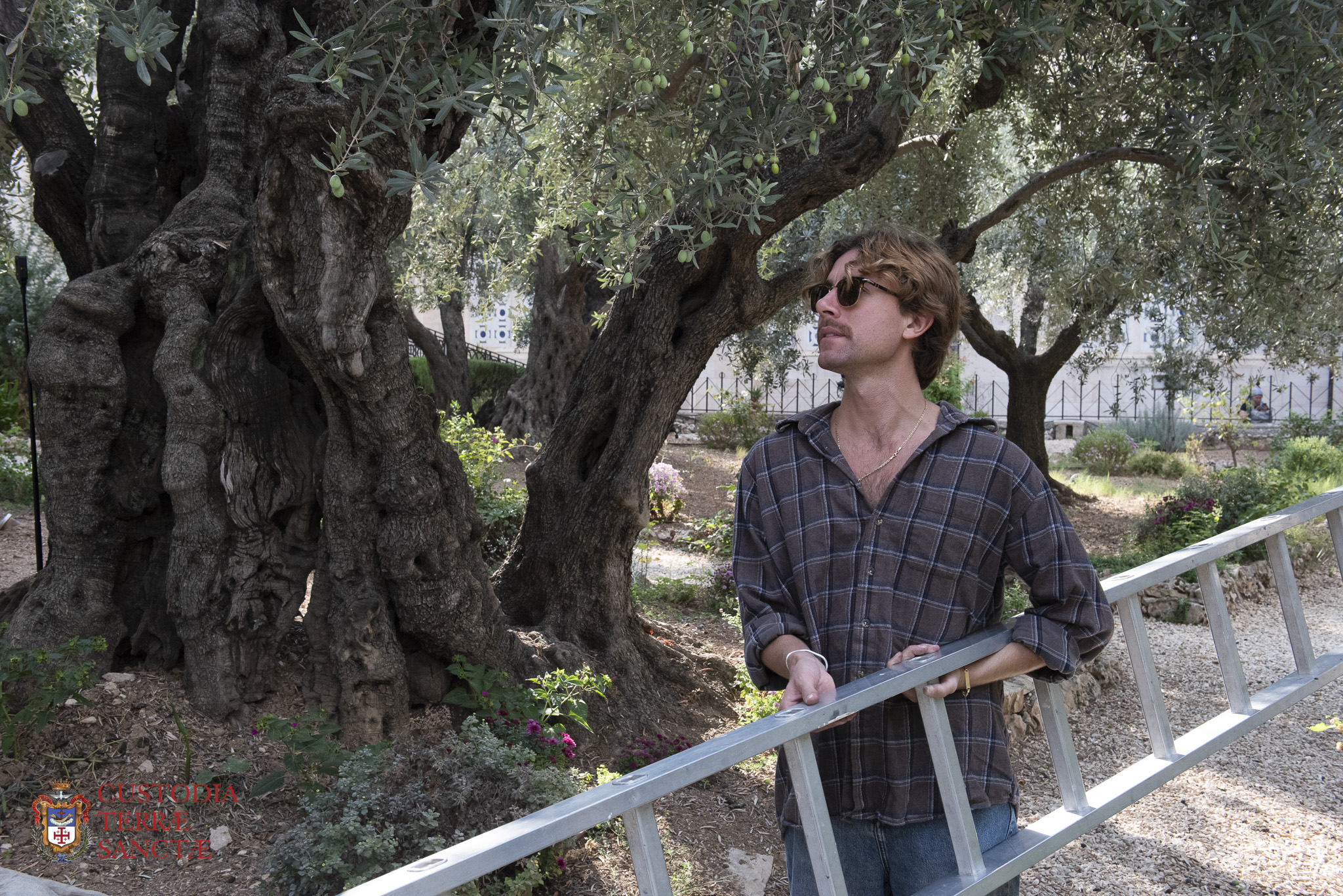
Gathering olives in the Garden of Gethsemane means engaging with a place that, for Christian Tradition, has an inexhaustible significance: that of Jesus' prayer on the eve of his Passion. In the Kidron Valley, at the foot of the Holy City, the harvest makes it possible to care for a land marked by the presence of faith and history, but also one that experiences the great complexities of today's world. Working among the olive trees of the Poor Clares means carrying out this work within a community that lives its vocation in silent and constant contemplation. The harvest thus becomes a moment in which care for creation, work and fraternity come together, while also allowing time to build friendships and reflect on one's faith. An event that, for the Custody of the Holy Land, above all means caring for what has been entrusted to it and what continues to bear fruit.
Lorenzo Vita