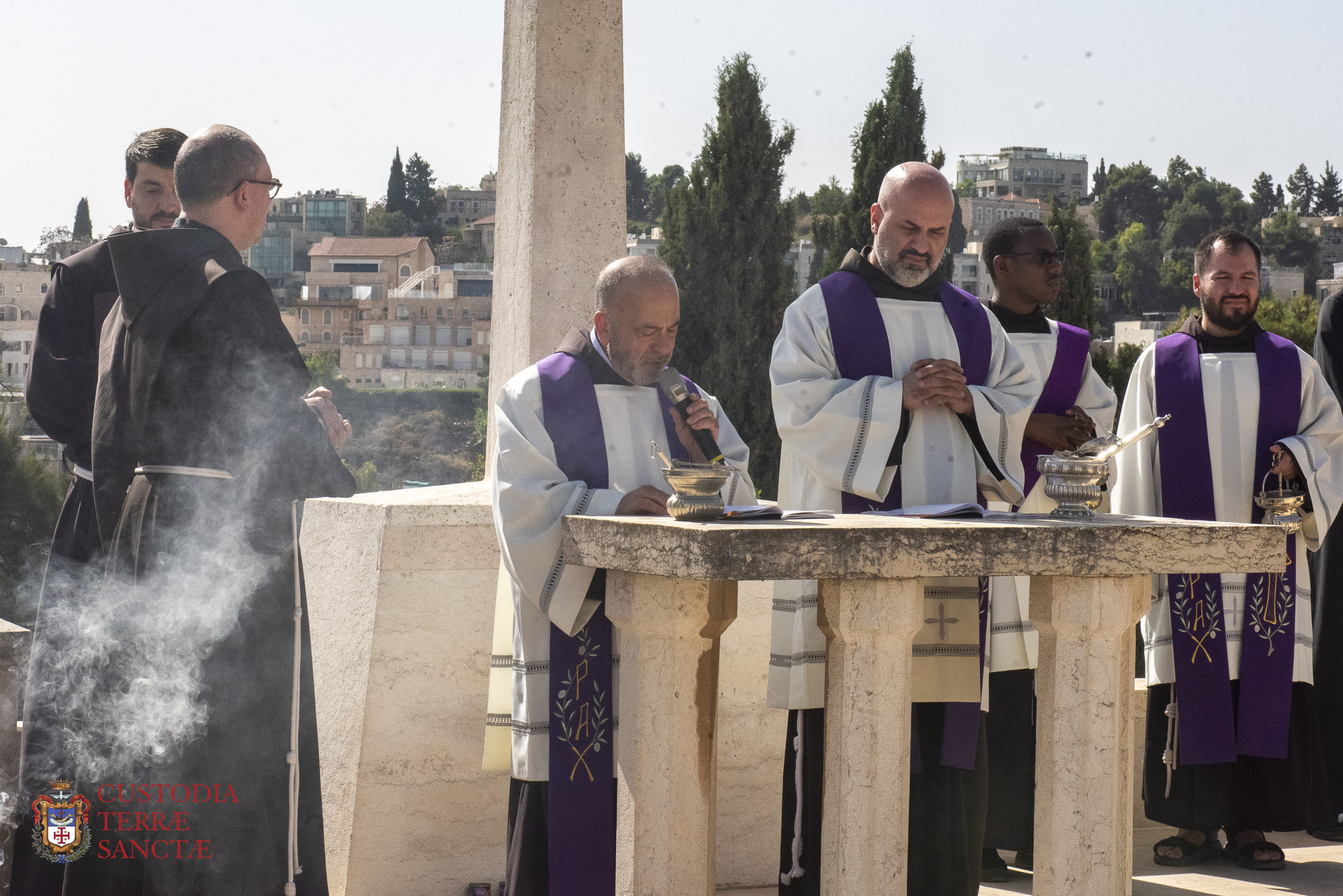
A day of prayer, reflection, remembrance and a sense of community. November 2, the day on which the Church commemorates all the faithful departed, is above all this: coming together and praying for those who are no longer with us. For the Custody, this means not only remembering the confreres who lived out their vocation in the Holy Land, but also the local faithful and Christians who are buried in the cemeteries on Mount Zion in Jerusalem.
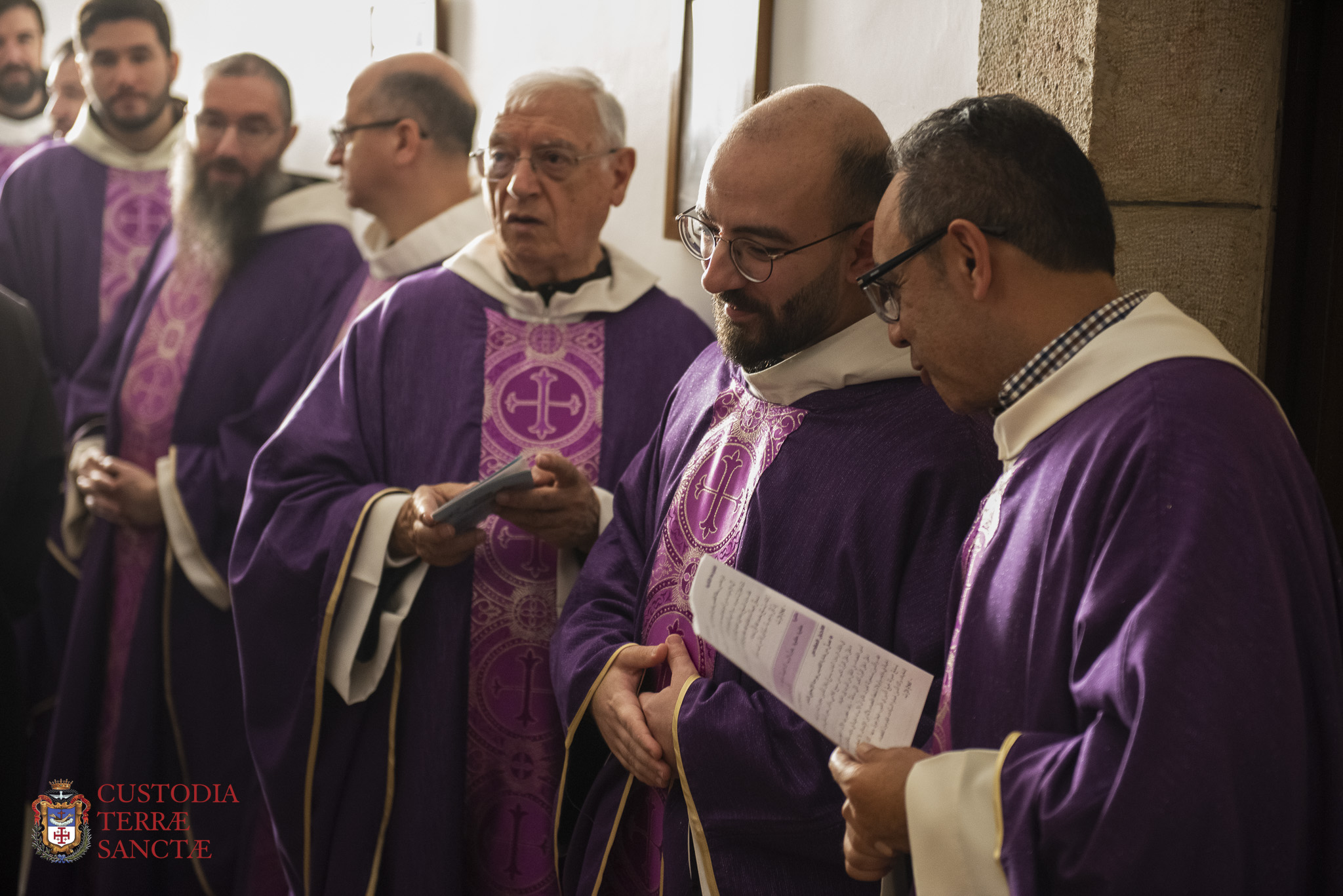
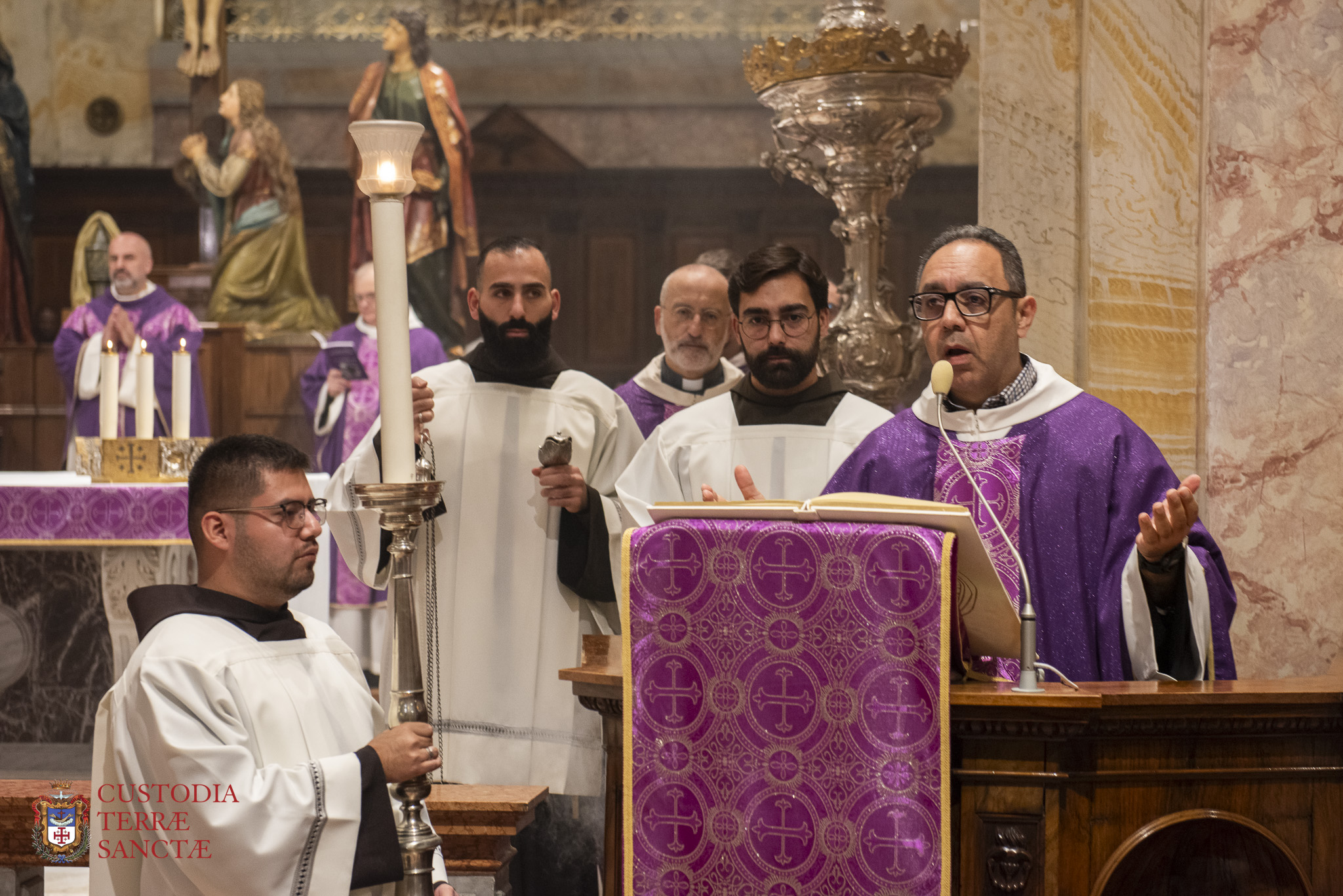
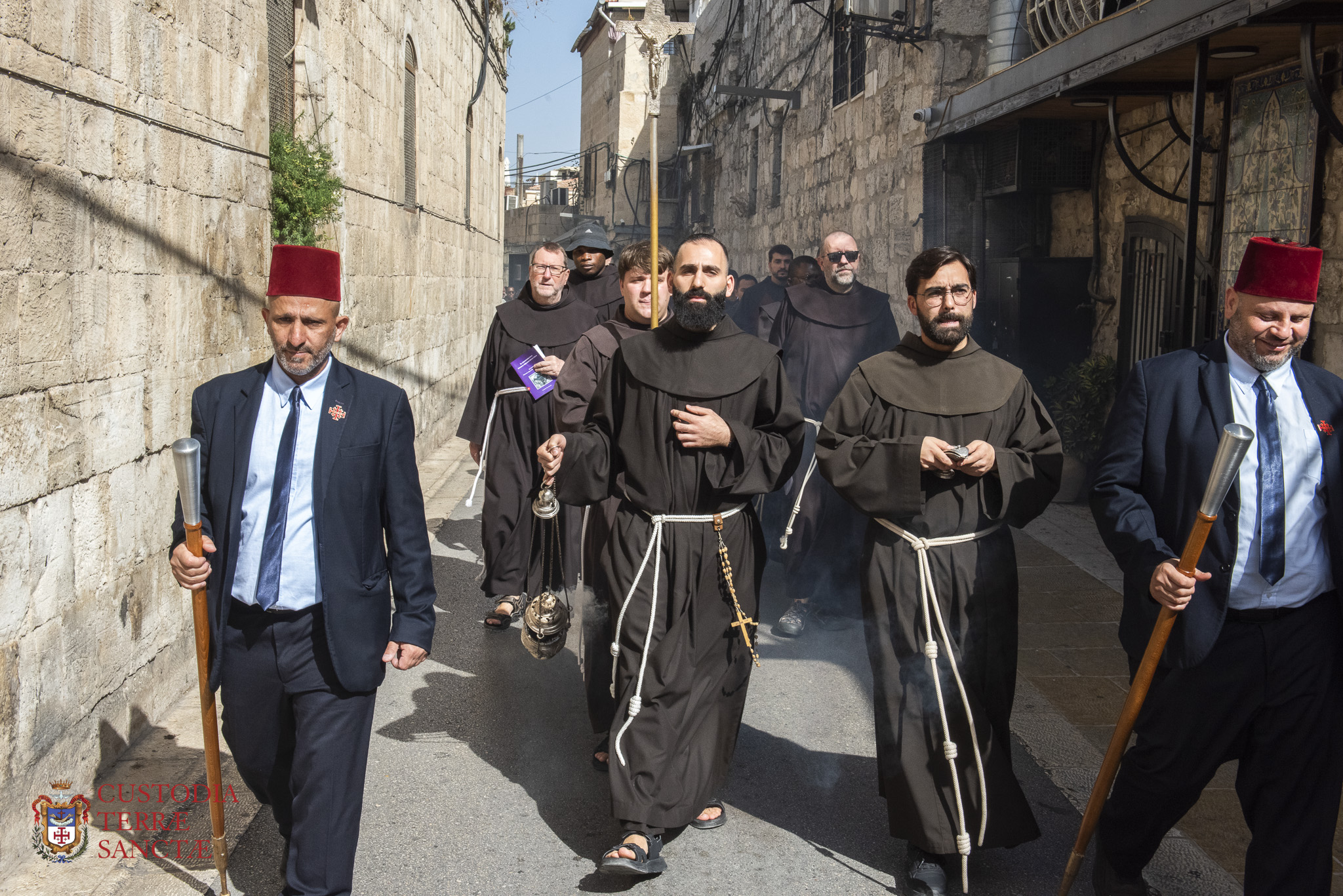
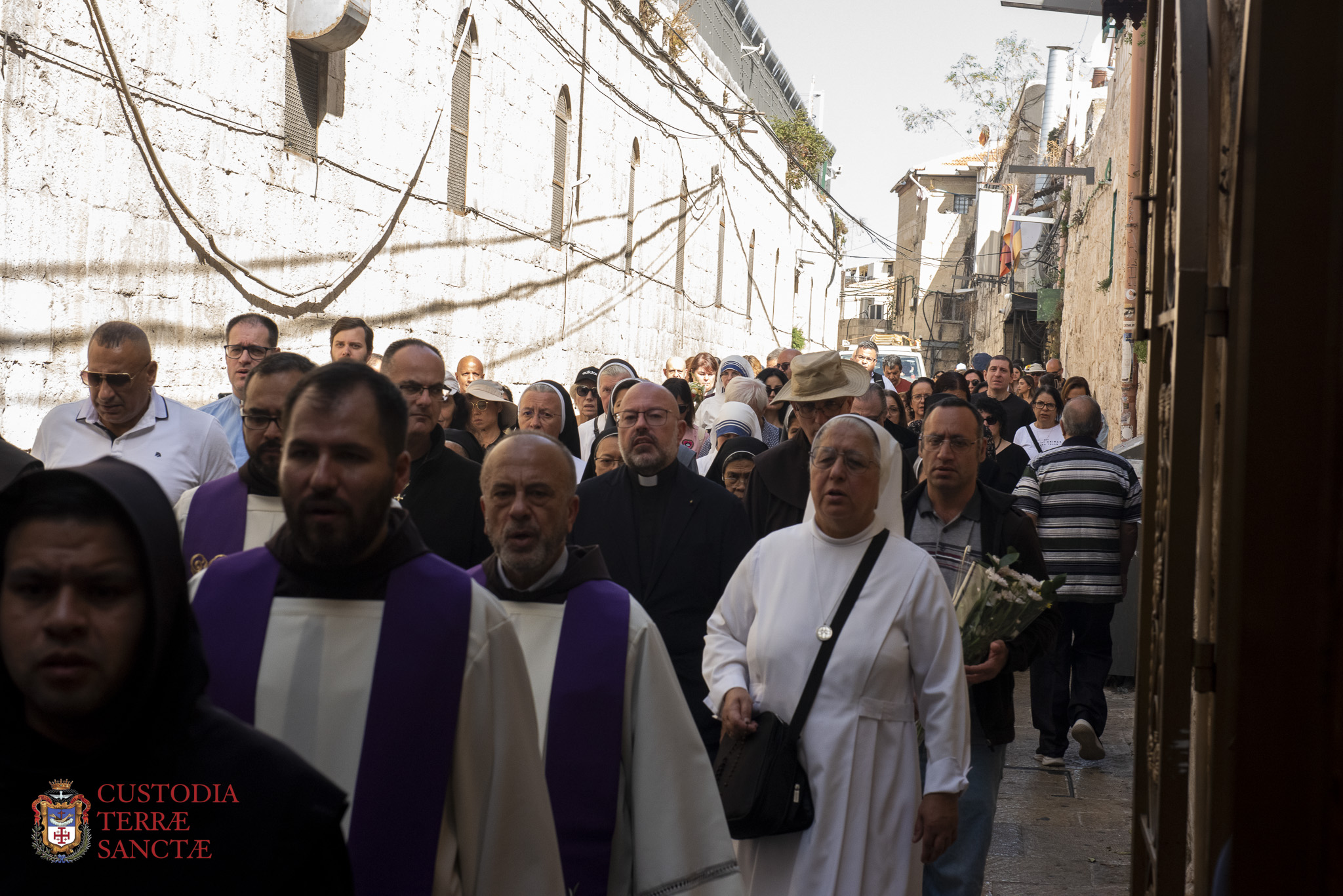
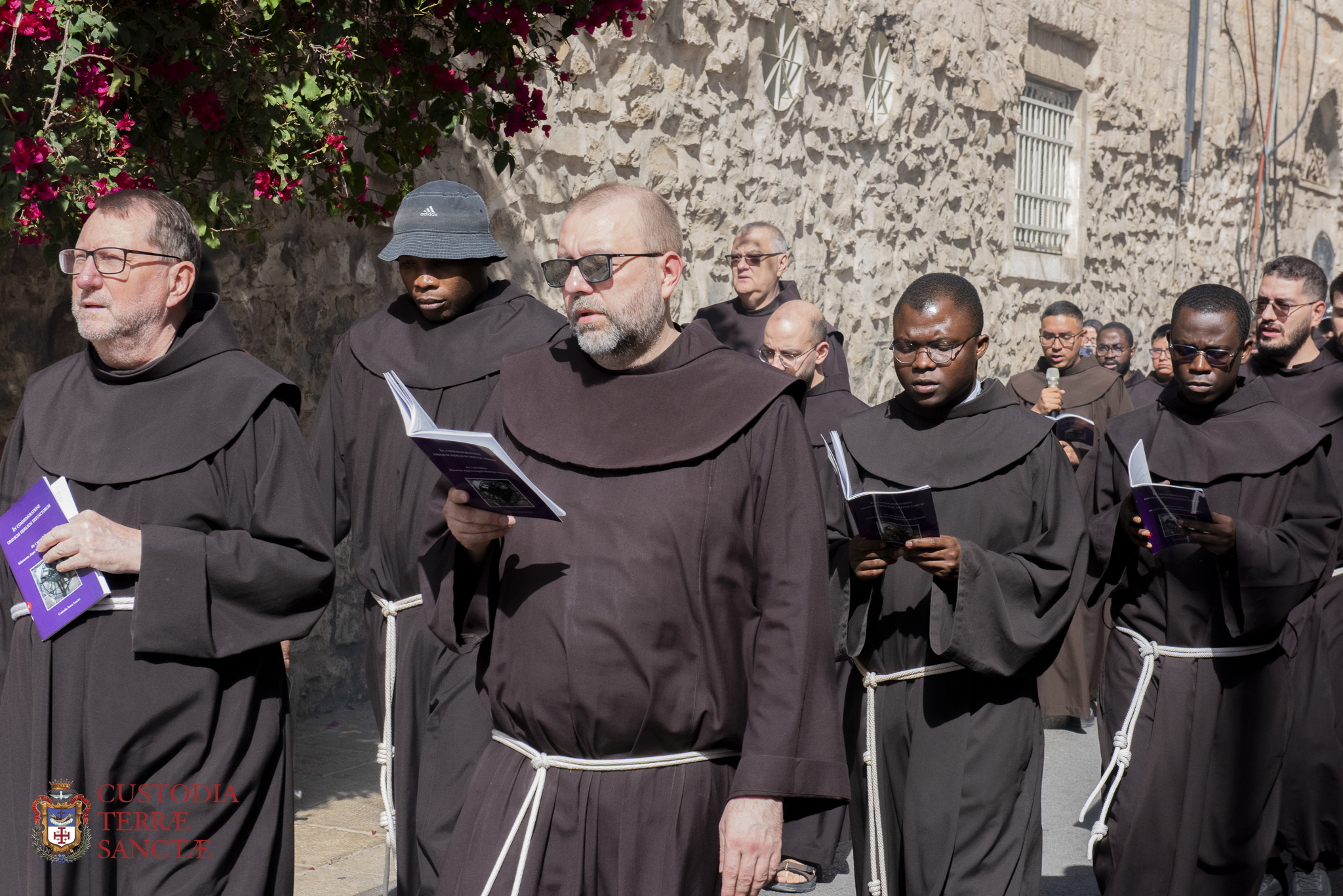
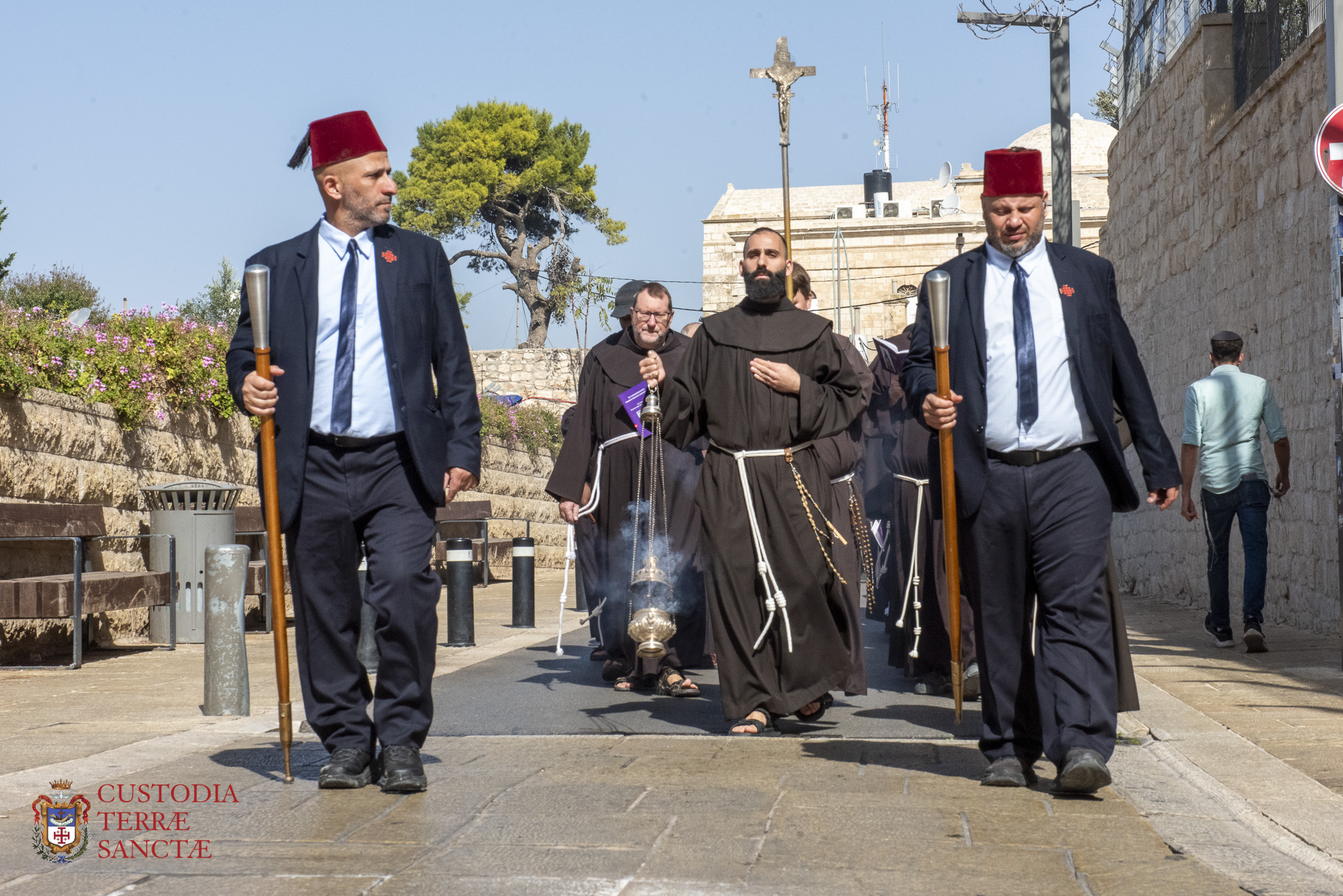
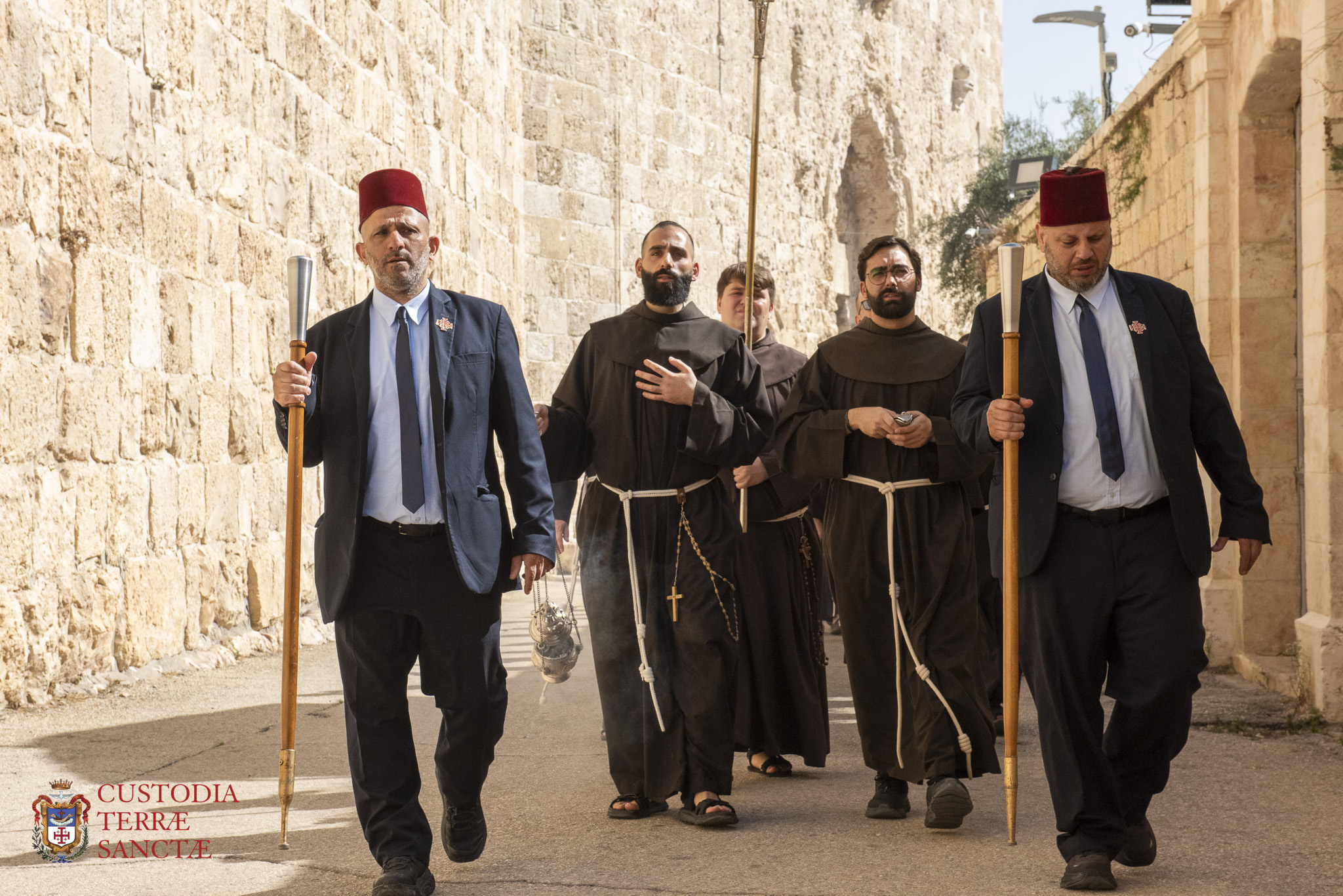
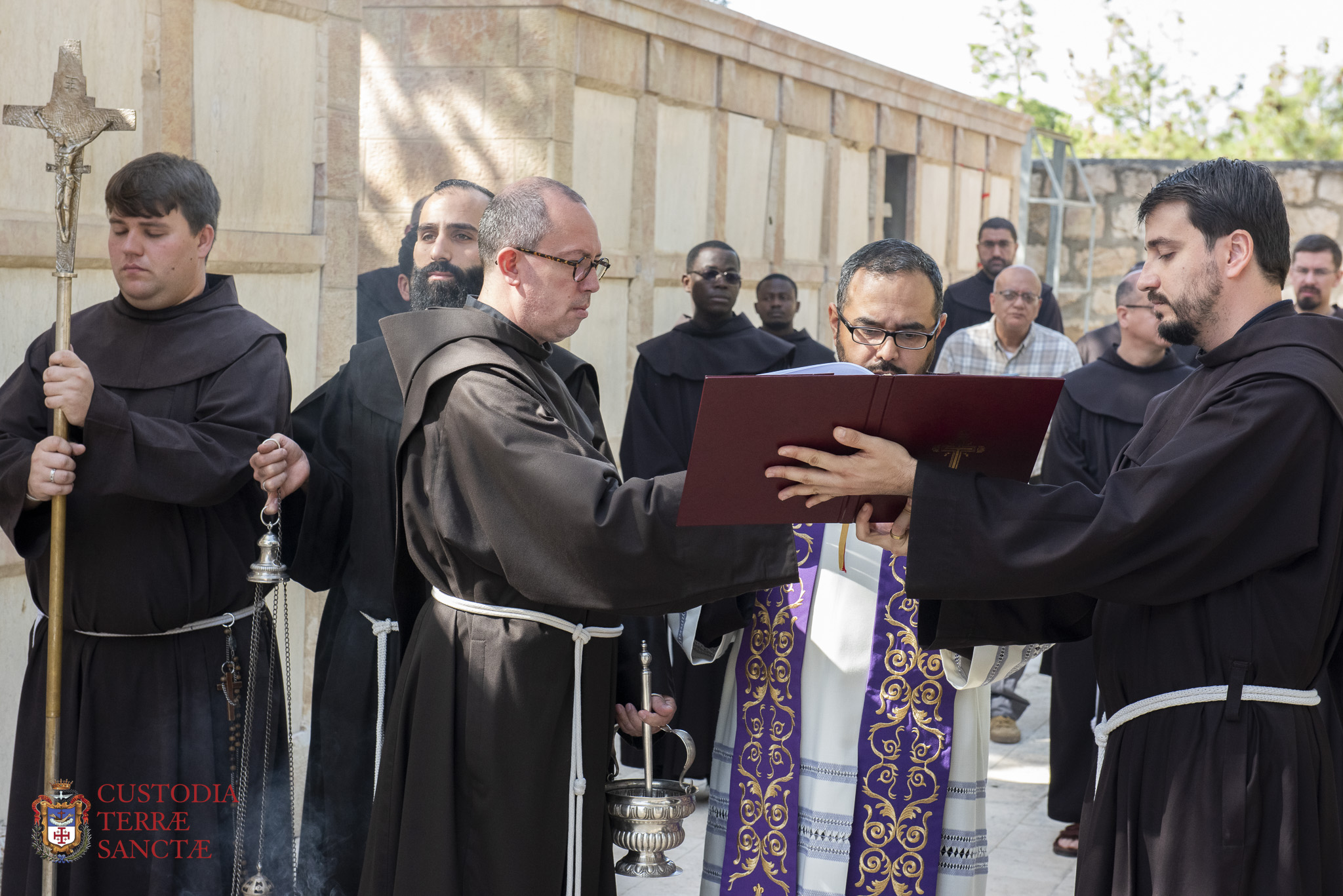
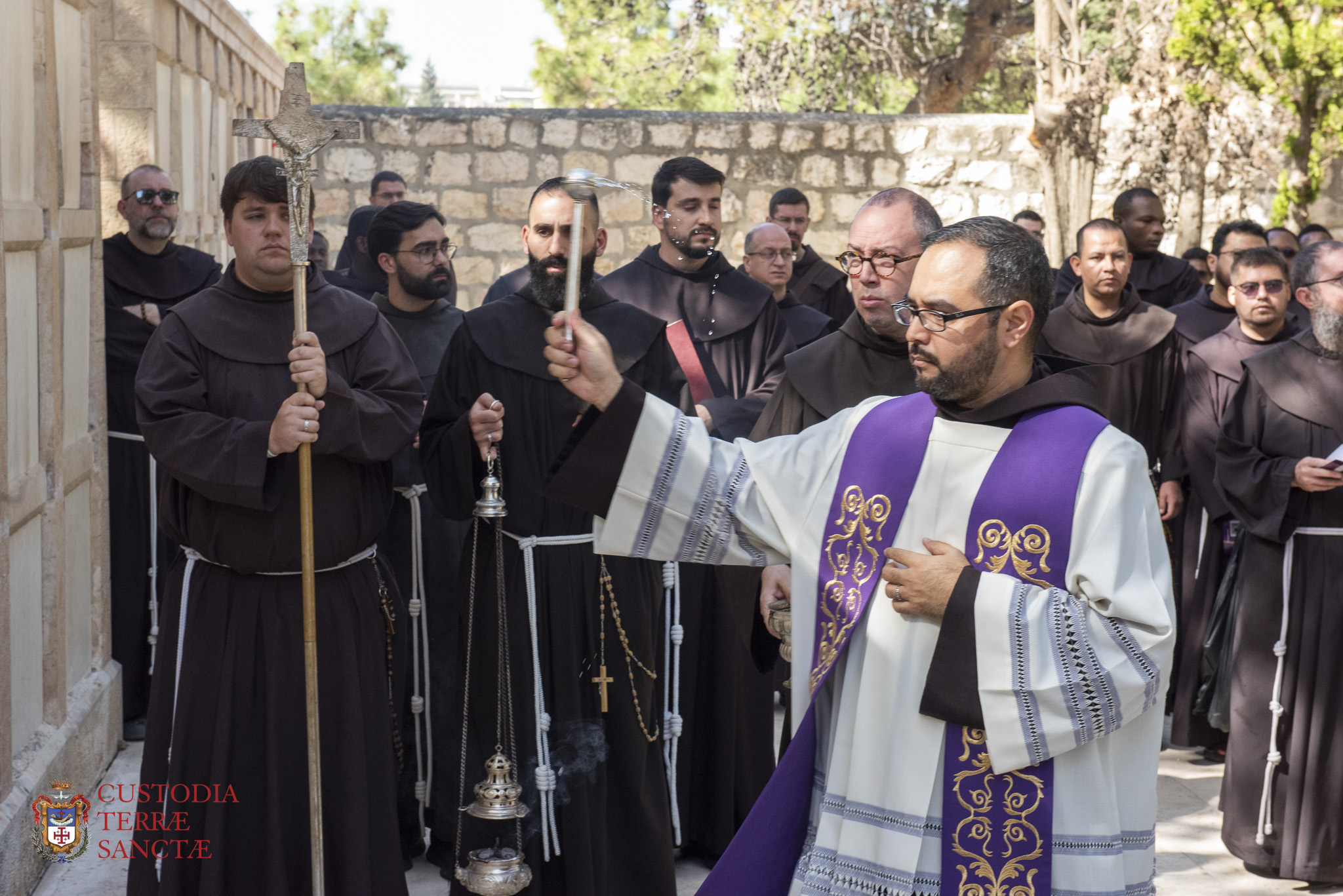
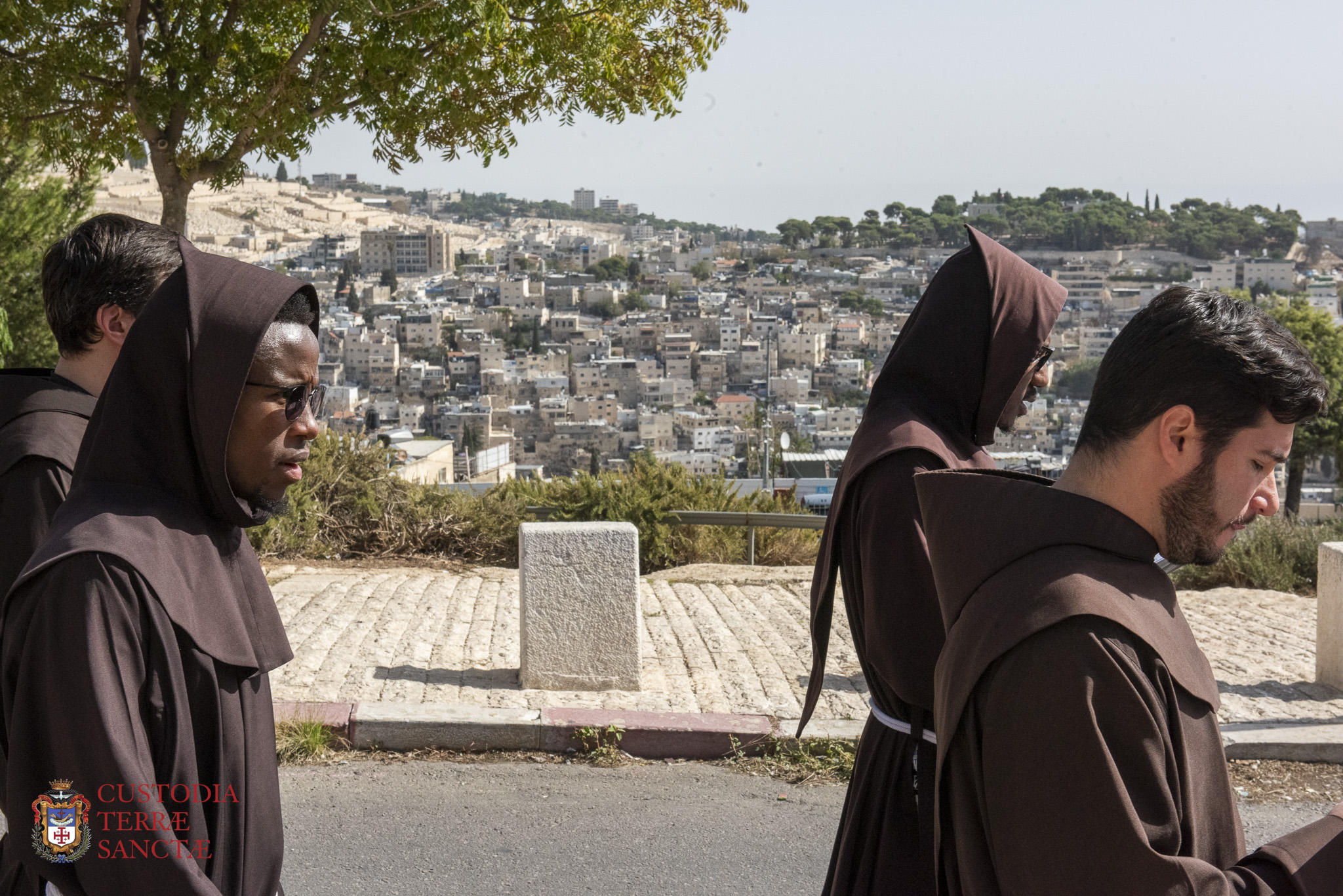
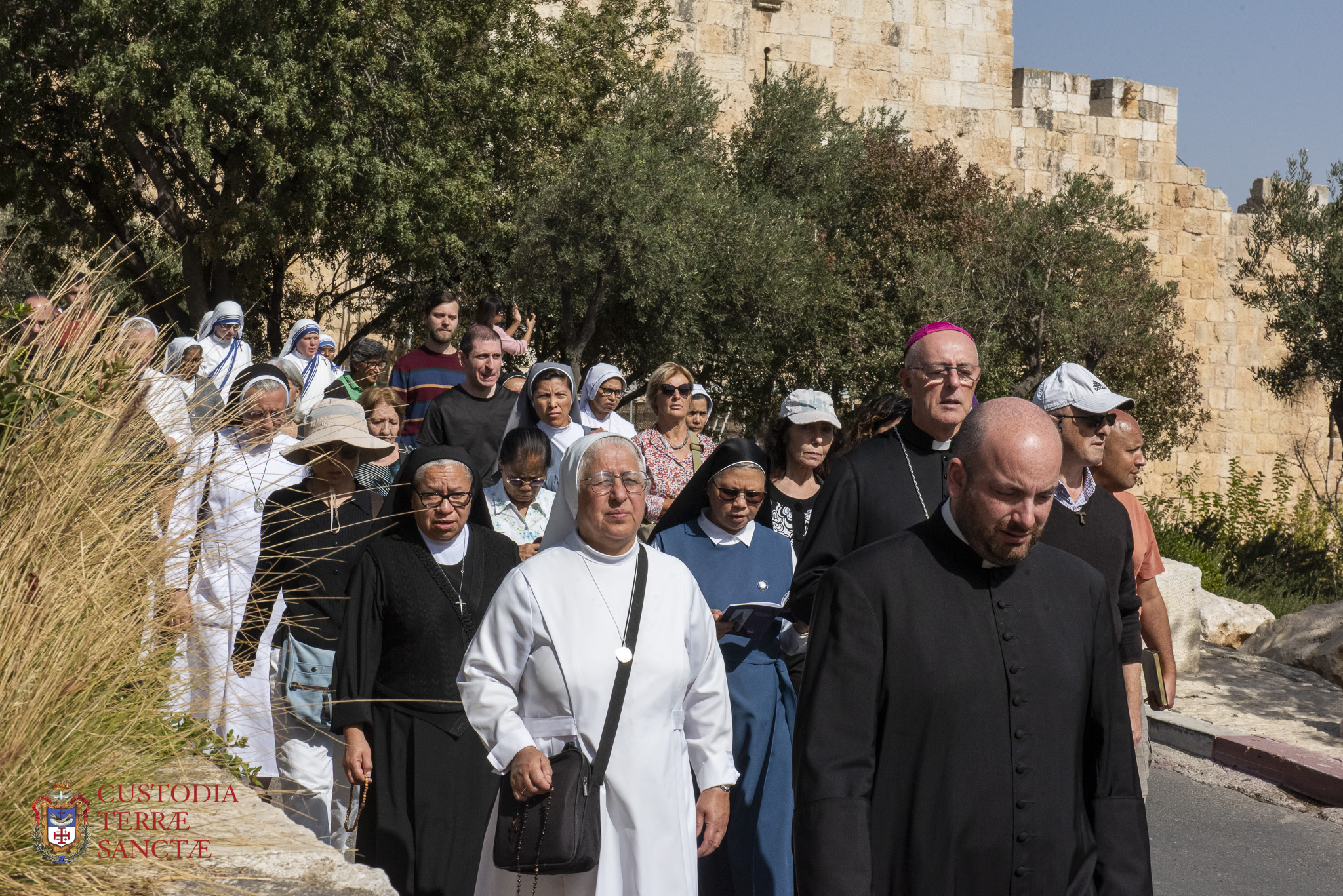
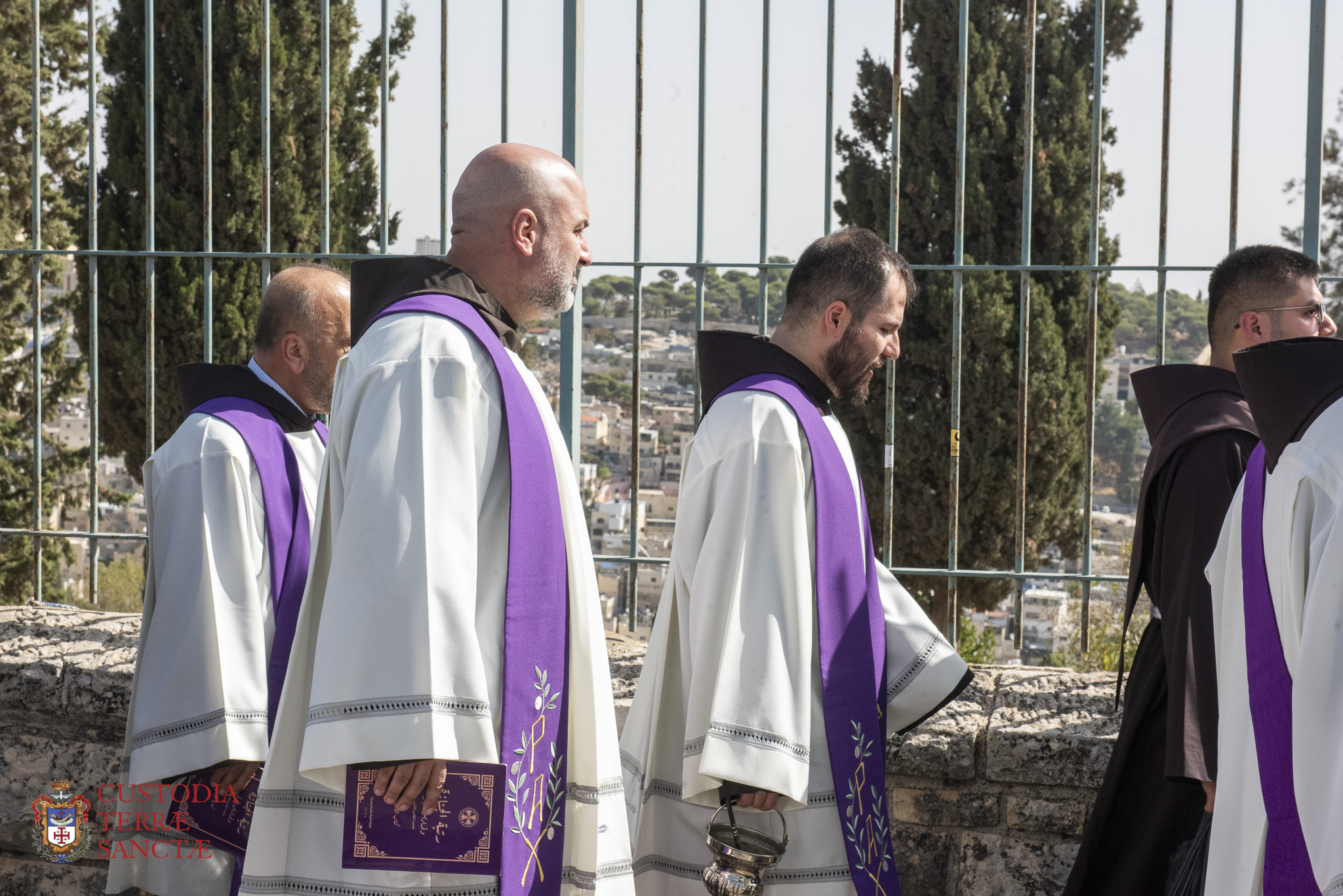
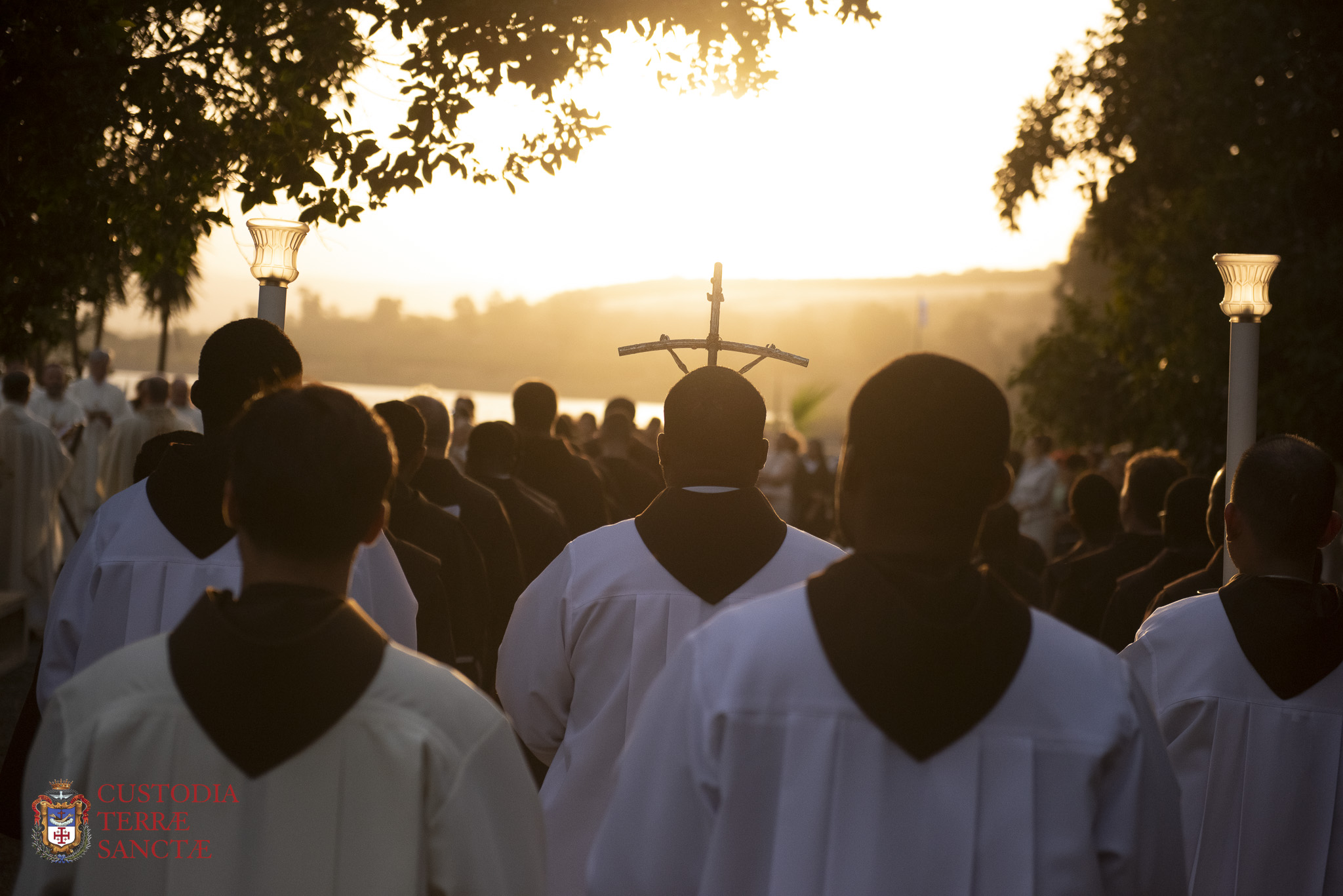
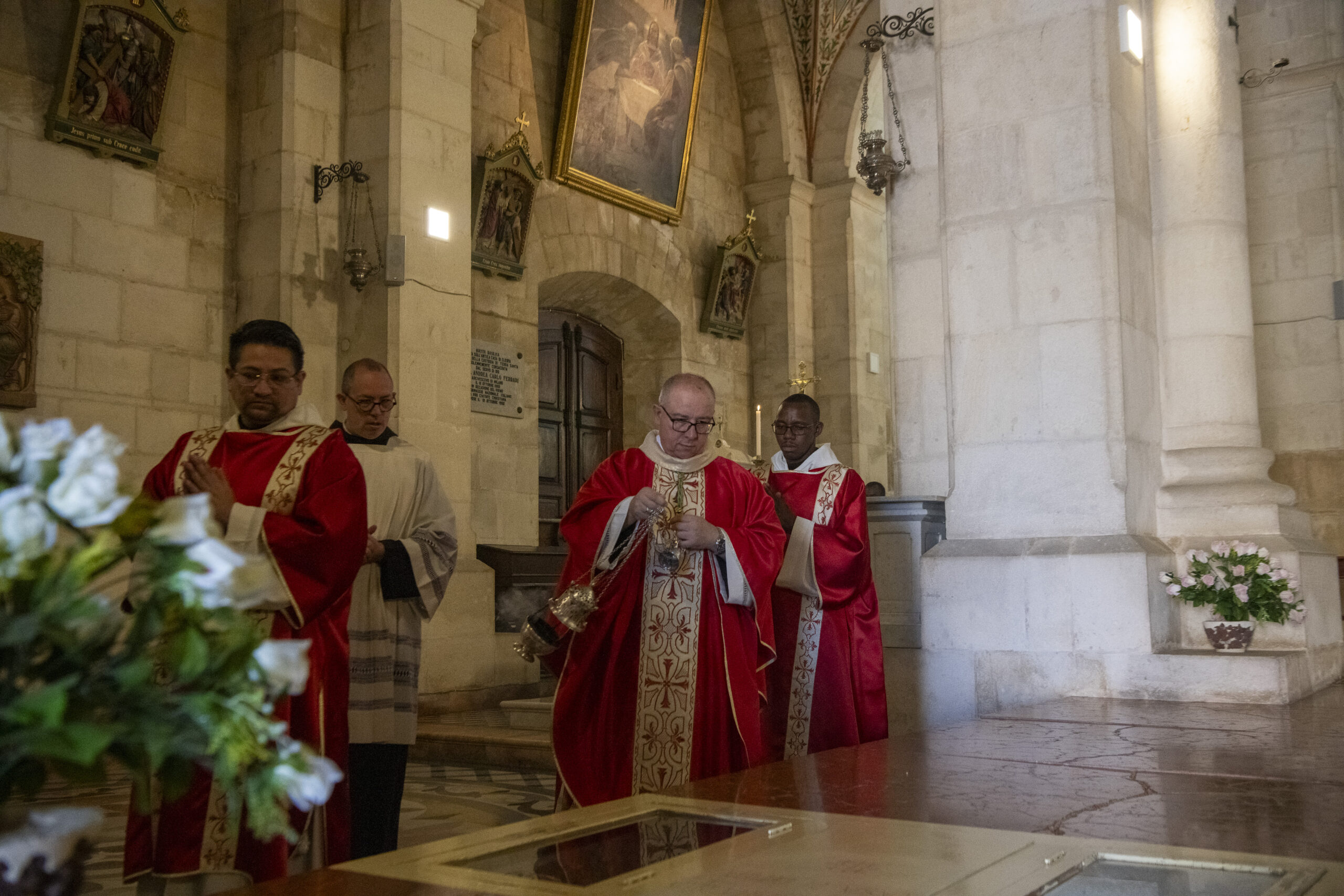
These different aspects of one great day dedicated to remembrance were also reflected in the rites celebrated during the morning. The commemoration of the faithful departed began with Mass in the Church of St. Saviour, the Latin parish of Jerusalem and the beating heart of the local Franciscan family. At the end of the service, the solemn procession of friars and faithful towards the cemeteries on Mount Zion, just outside the walls of the Old City, began. Led by the kawas, the ceremonial guards who announce the arrival of the procession by striking their staffs, the religious and laypeople made their way along the streets connecting St. Saviour's to Zion Gate, before reaching the three cemeteries in the area.
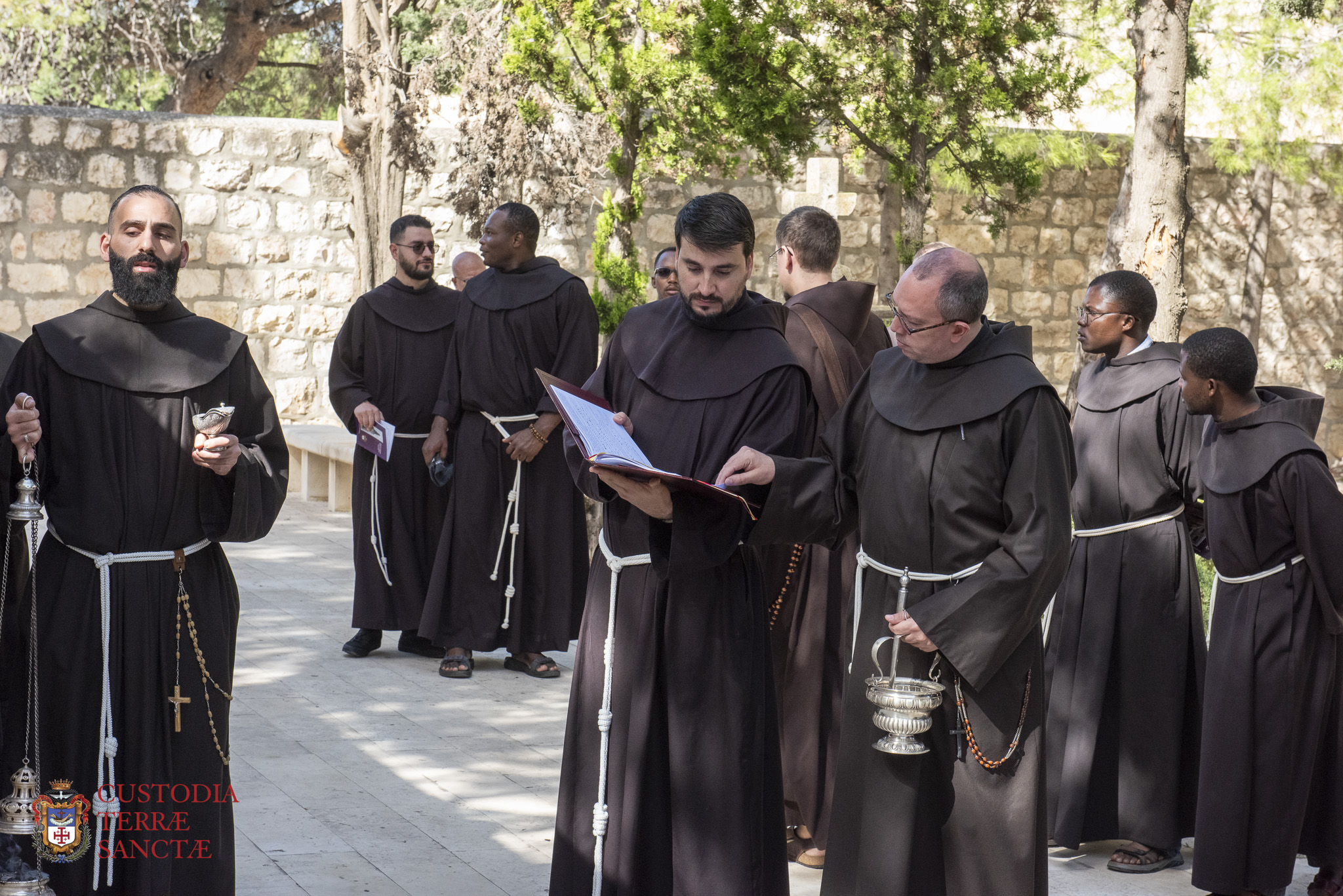
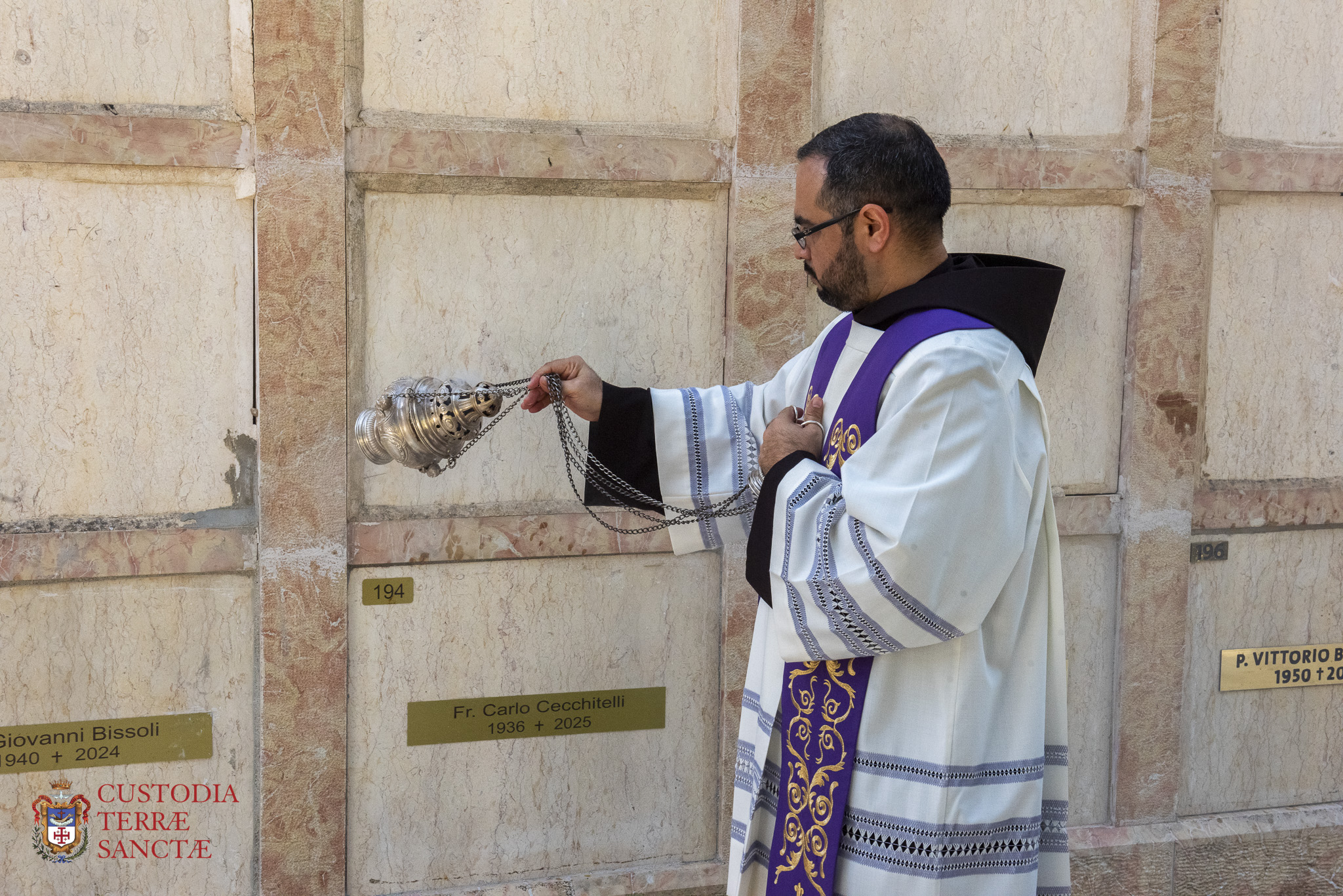
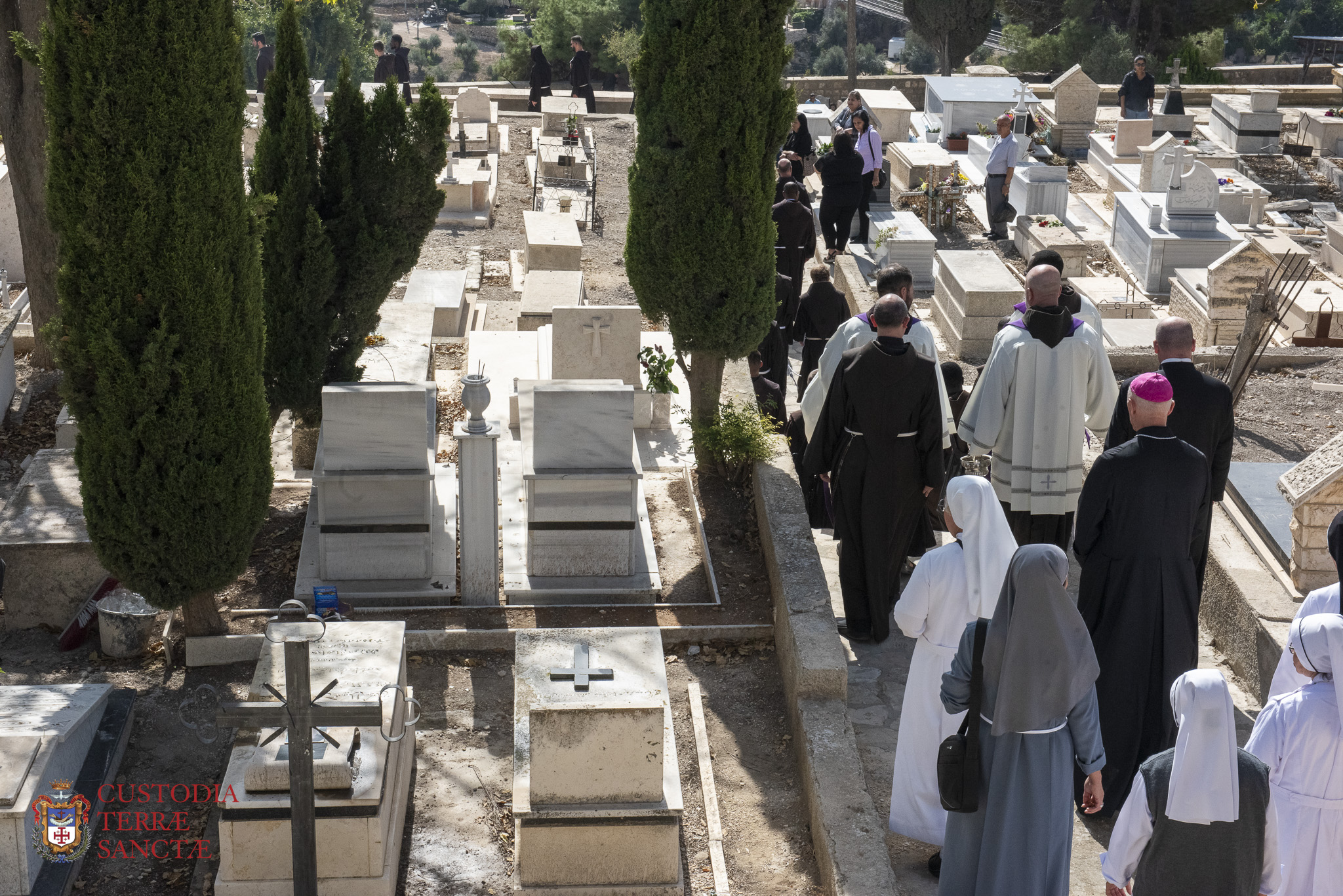
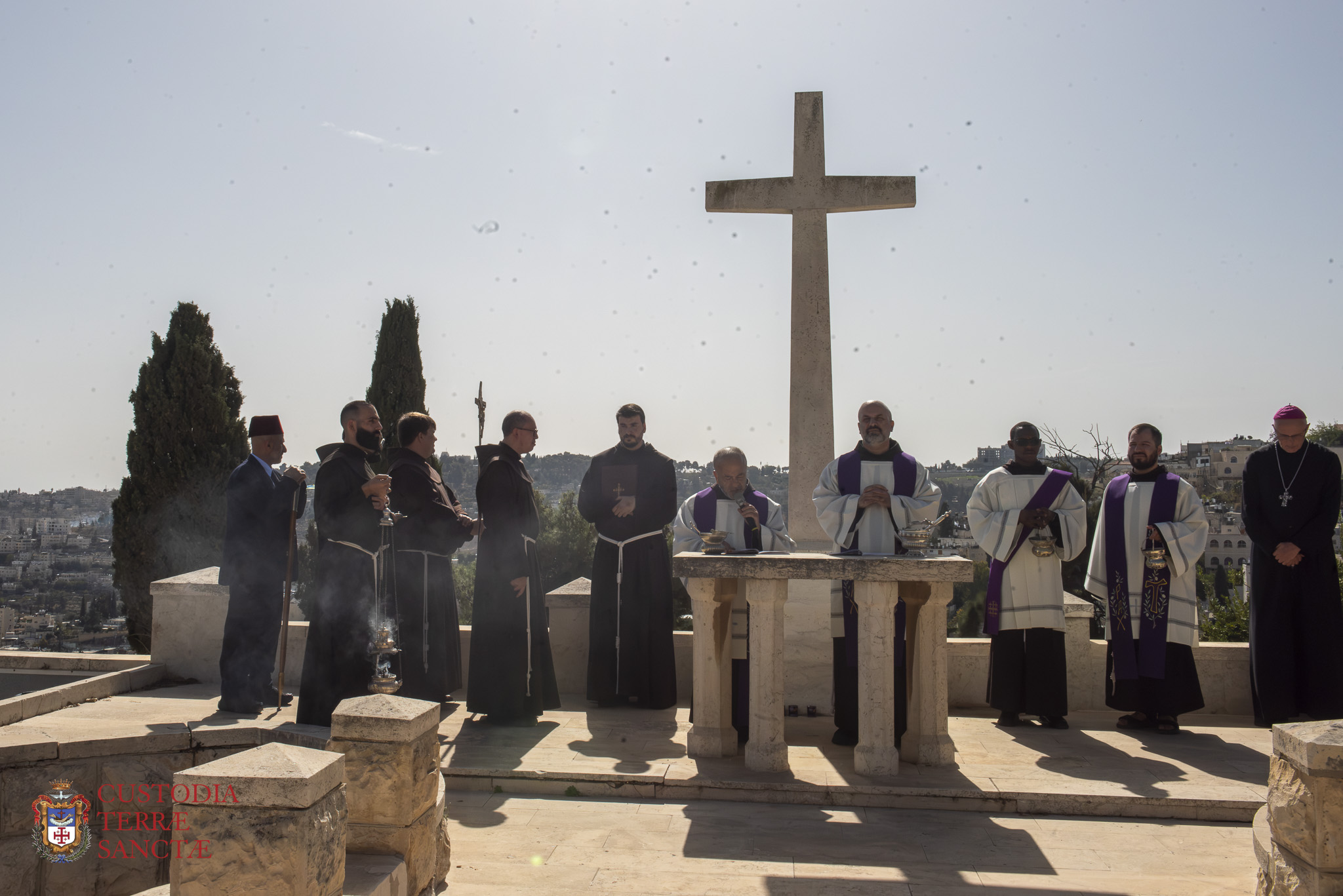
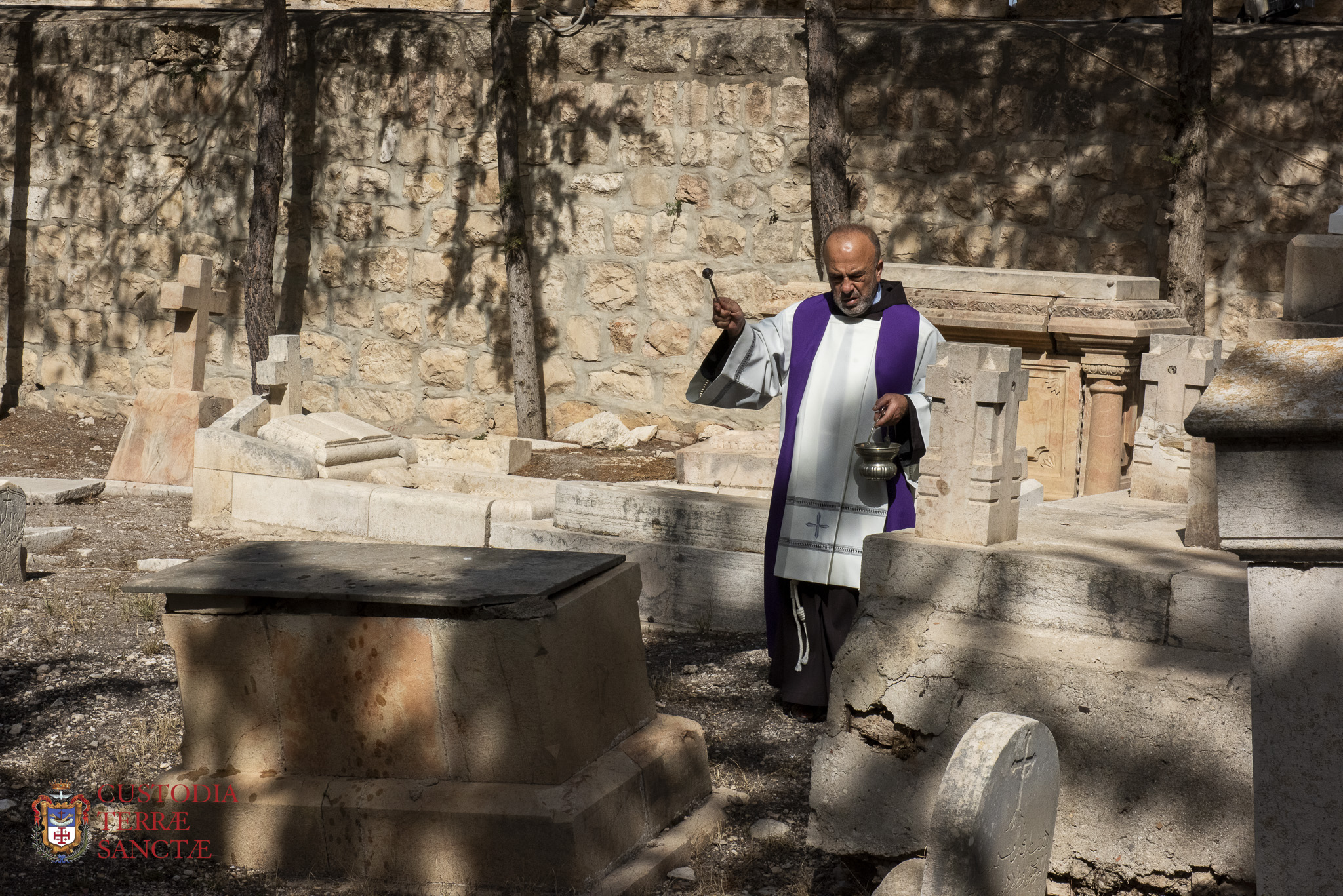
Each of them represents a precious part of the Custody of the Holy Land's memory. And in each one, the rite of blessing the tombs took place. One is the Franciscan cemetery, the resting place of those who, for generations, welcomed pilgrims and devoted their earthly lives to the Holy Places. The second cemetery visited by the procession was the one containing the graves of Christians from other countries who were so deeply attached to Jerusalem that they were laid to rest on the slopes of Mount Zion. Finally, the other place was the cemetery of the local Catholic community, where tradition has it that the faithful gather to commemorate their loved ones who have gone before them in the promise of eternal life.
Thus, on a morning when the Sun shone with all its strength upon a Jerusalem that is the place of the Lord's Death but also of His Resurrection, the Custody renewed a profound bond. Not only the bond between the Franciscan family and the Holy Land, but also that between the living and the dead. And in the silence, interrupted only by the hymns of the friars and the faithful, Mount Zion thus became a symbol of a union that transcends not only places, but also time. In the light of the hope of the Resurrection.
Lorenzo Vita