"We proclaim to you what existed from the beginning, what we have heard, what we have seen with our eyes, what we have contemplated and what our hands have touched: the Word of life. Because life was manifested, we have seen it and bear witness to it, and we proclaim to you eternal life, which was with the Father and has been manifested to us."
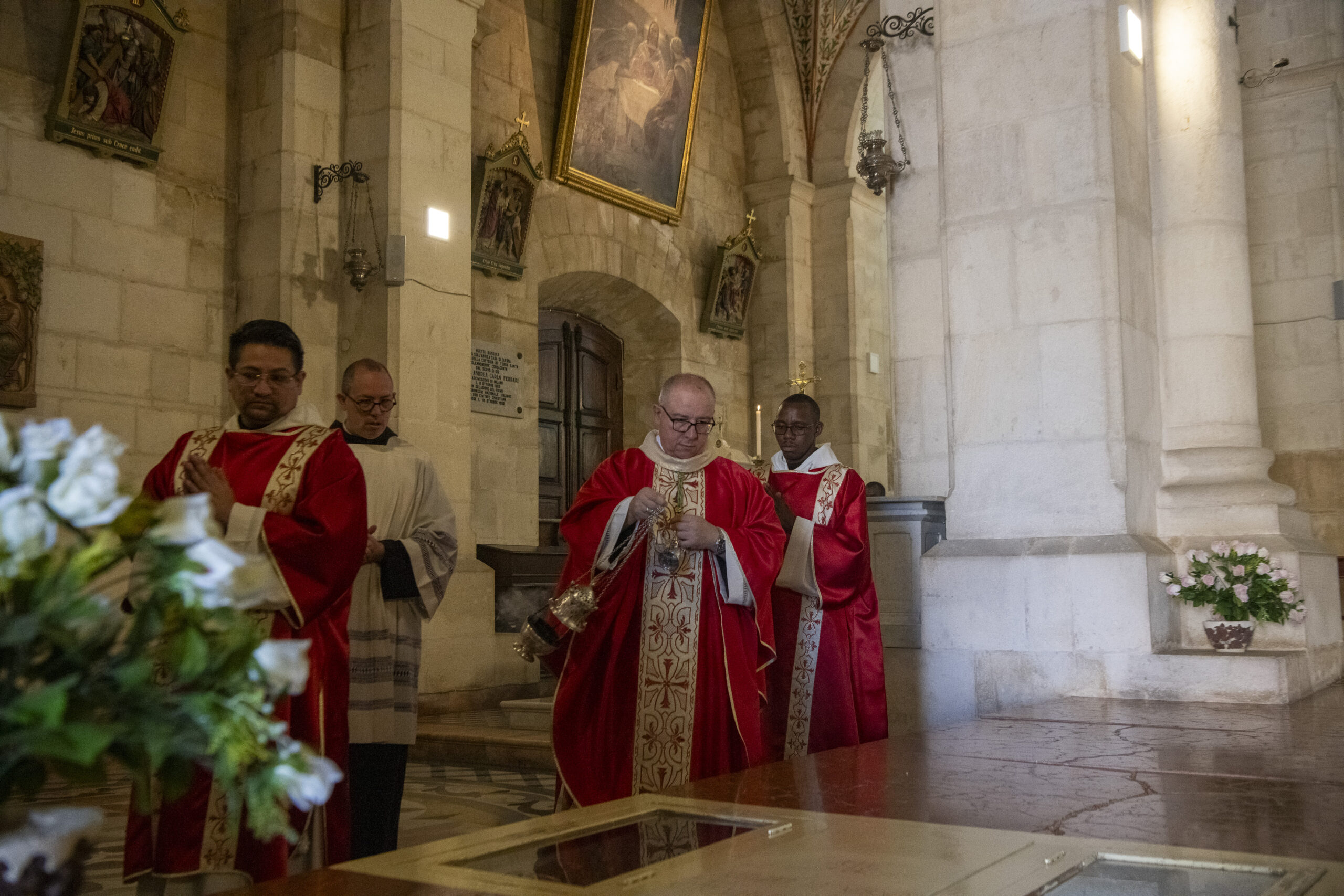
The Feast of the Annunciation of the Lord in Nazareth began with this passage, with First Vespers held on March 24. The celebration was presided over by Cardinal Pierbattista Pizzaballa, in the presence of Franciscan friars and the local religious community.
The following day, March 25, a solemn Mass was held in the Basilica of Nazareth, attended by faithful and religious, gathered to celebrate one of the central moments of Christian tradition. Indeed, the Annunciation represents a decisive passage in salvation history: with the announcement to Mary, God chooses to become man in order to redeem humanity.
During his homily, Cardinal Pizzaballa drew attention to the difficult context that continues to mark the Holy Land, inviting those present to look at events with the gaze of the Virgin Mary, entrusting themselves to God and his divine plan even in moments of crisis and conflict.
Riccardo Curti