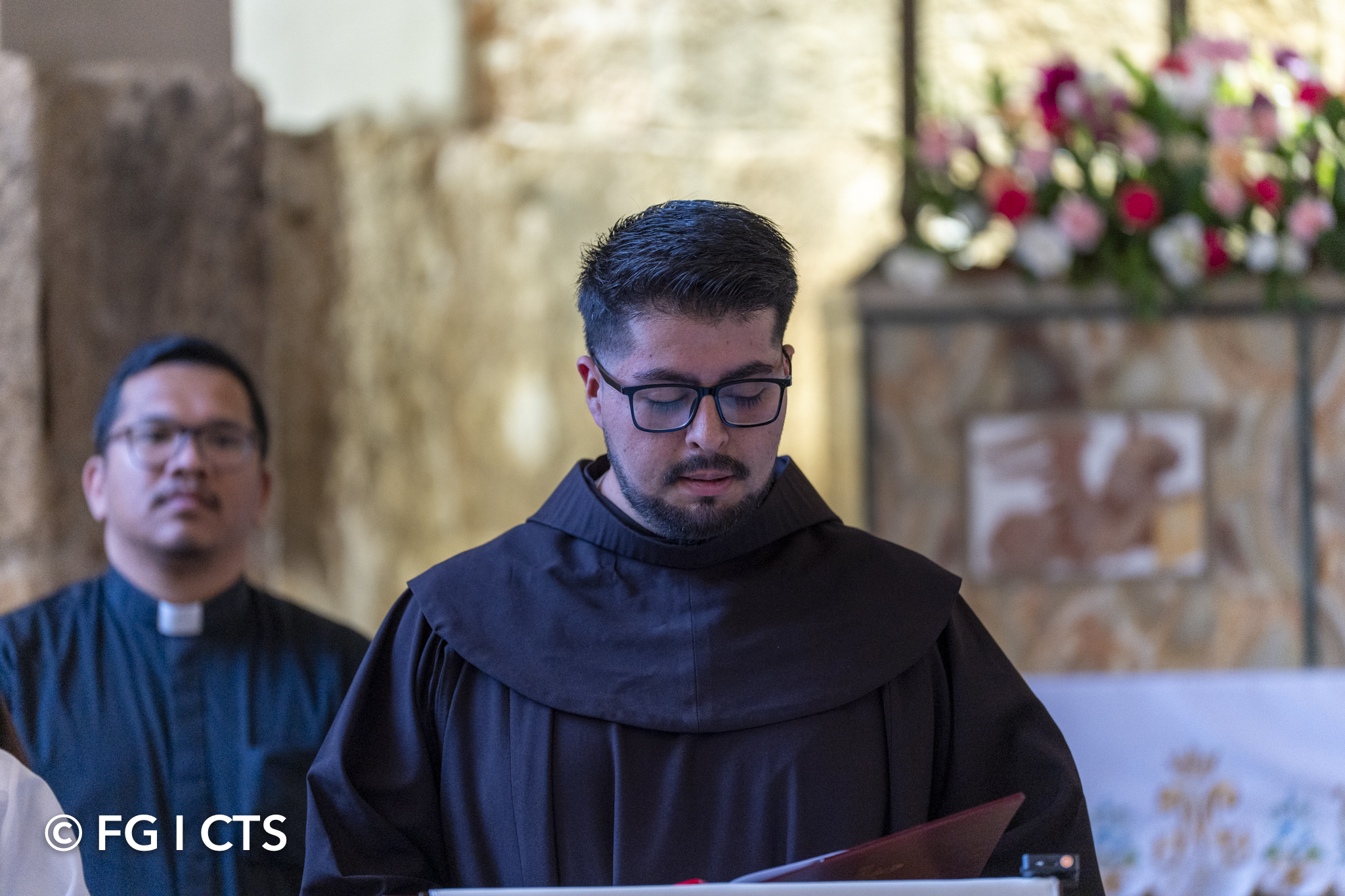
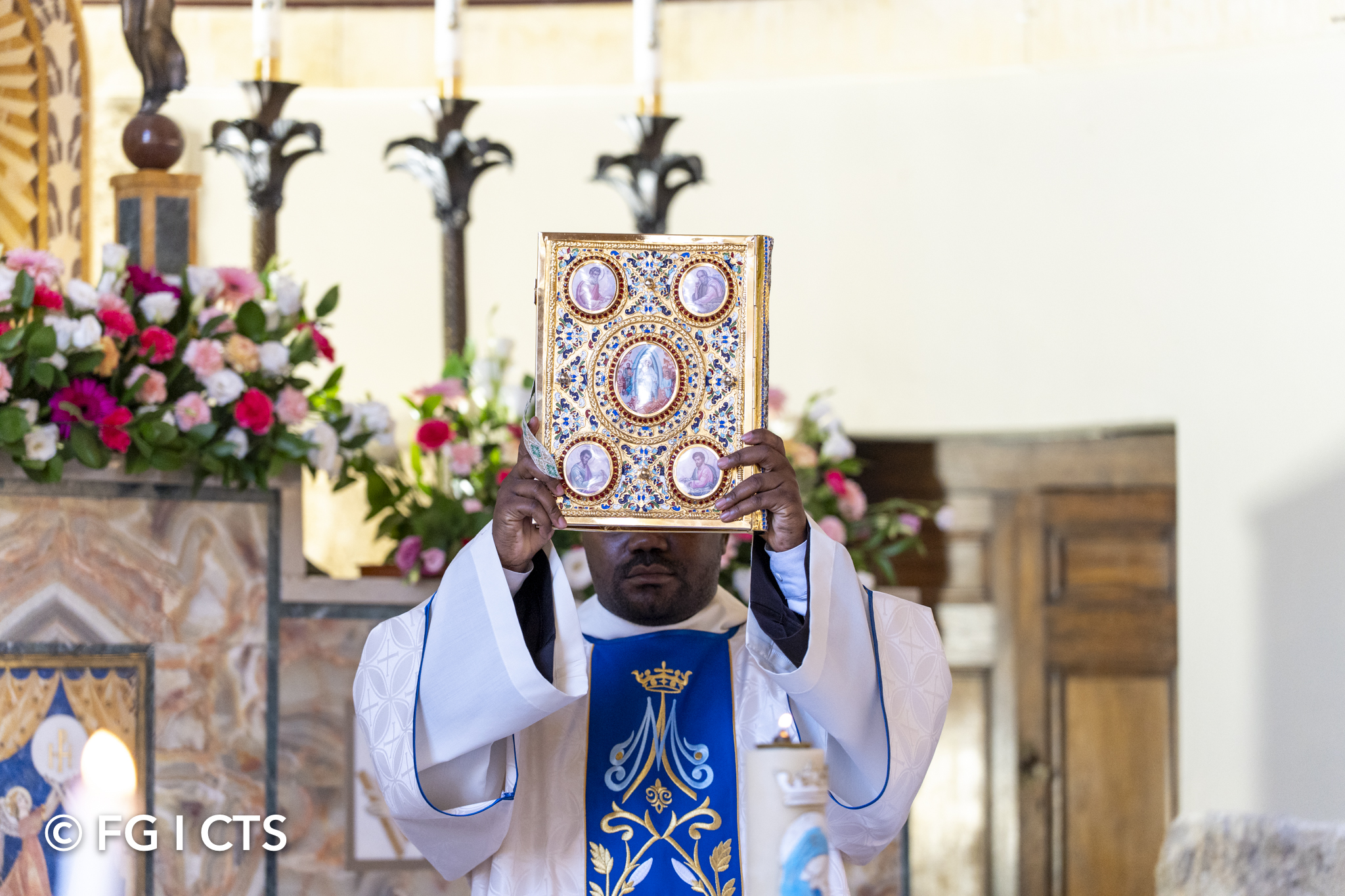
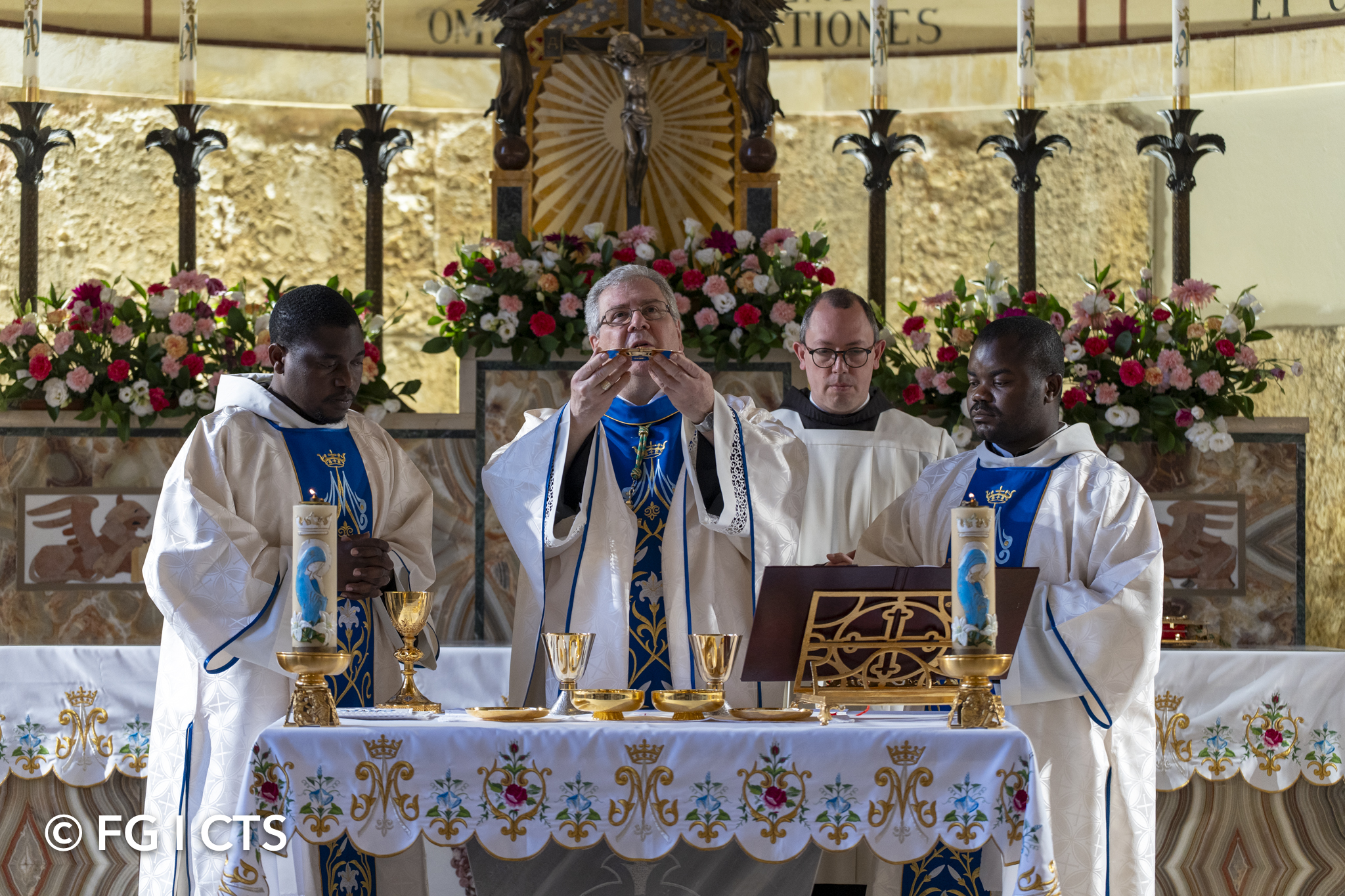
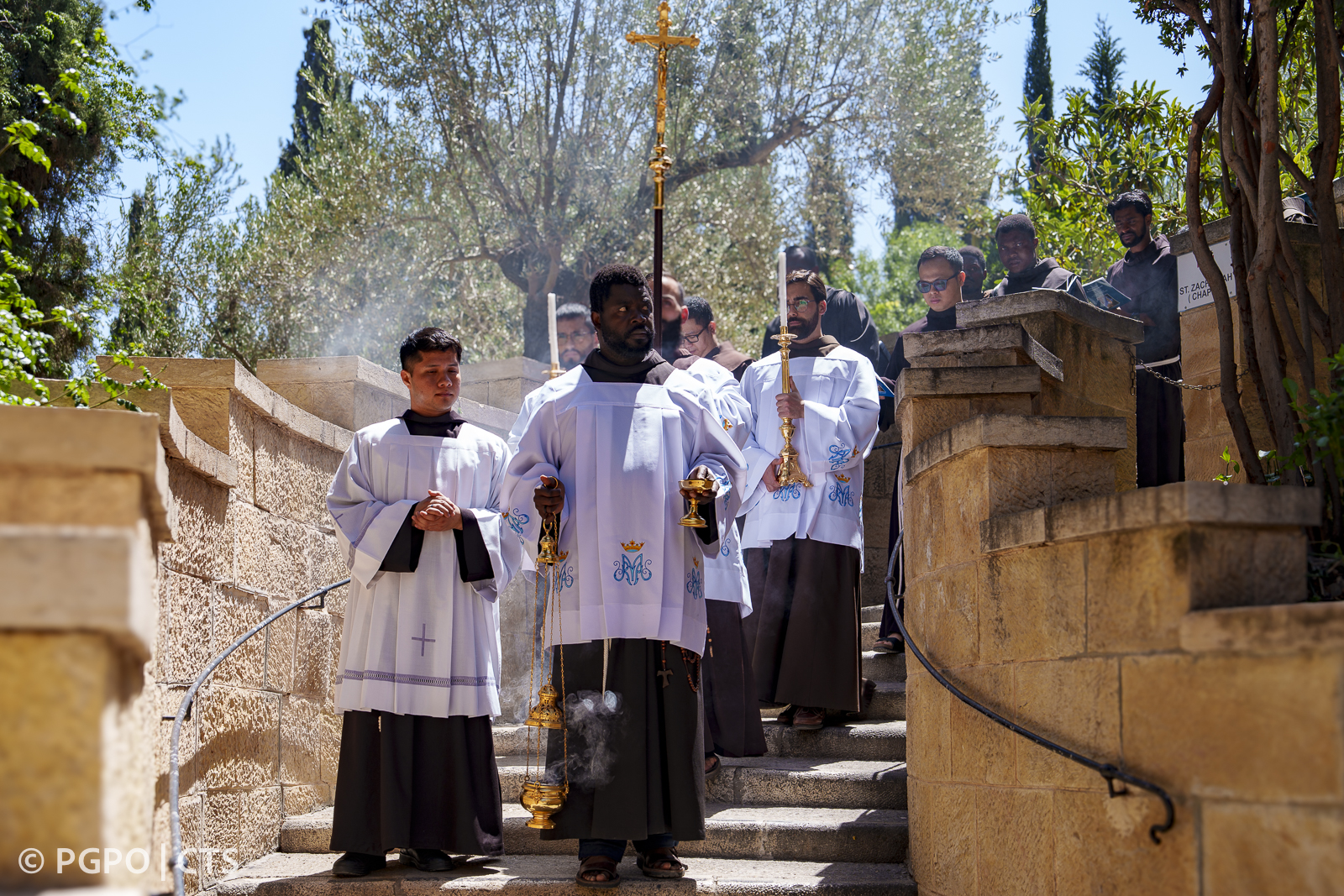
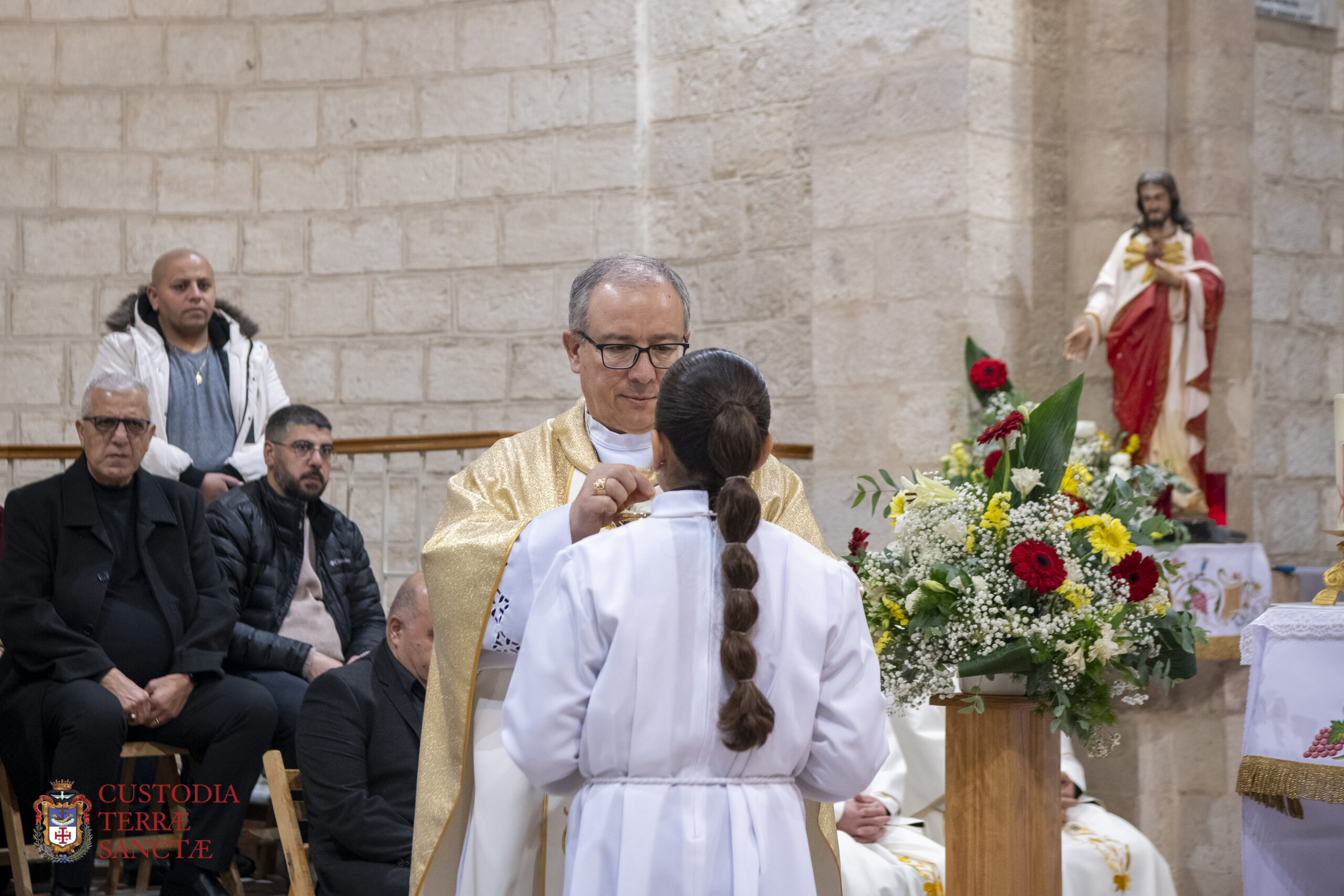
On Saturday 31 May 2025, the friars of the Custody of the Holy Land celebrated, according to tradition, the Feast of the Visitation at the Shrine of Ein Karem, just a few miles from Jerusalem. This picturesque place, which Christian tradition identifies as the house of Zachariah and Elizabeth, welcomed pilgrims and religious in an atmosphere of joy and prayer, to commemorate the encounter between Mary and Elizabeth narrated in the Gospel according to Luke (1, 39-56).
In his homily, the Custos of the Holy Land, Fra Francesco Patton, guided the celebration with a reflection centred on three fundamental verbs: visit, believe and rejoice. A personal memory began the meditation: nine years ago, on the Feast of the Visitation, he made his first spiritual halt in the Holy Land, before solemnly entering Jerusalem. Since then, the path of custodian of the Holy places has been intertwined with the deep meaning of this Marian celebration.

The liturgical memory of the Visitation by Mary to Elizabeth is very ancient and dates back at least to the 13th century, but it was officially introduced into the Roman calendar in 1389 by Pope Urban VI and fixed on 2 July. Following the liturgical reform of Vatican Council II, the date was moved to 31 May, placing it symbolically between the Annunciation (25 March) and the Nativity of John the Baptist (24 June).
In the Holy Land, the shrine dedicated to the Visitation, in the hillside village of Ein Karem, is a focal point of pilgrimage, loved for its beauty and its intense spirituality. The church, built by the Franciscans in the 20th century on top of older ruins, houses the Magnificat in more than forty languages, as evidence of the universal nature of the evangelical message.
In his homily, the first verb highlighted is visit. Mary, after having received the announcement of the angel in Nazareth, sets off “in haste” to reach her elderly cousin, Elizabeth who thought she was sterile, but is pregnant. Visiting, the Custos emphasized, is not only a physical movement, but a movement of the heart: it is looking after, showing closeness and taking the gift of presence. And in Mary, the gift is the greatest: Jesus, the God-with-us. Not by chance, the Scriptures often speak of the visit of God to his people to indicate his salvific mercy.
This dynamic of “visiting” also becomes for us a real call: visiting the ill, the elderly, brothers and sisters in their spiritual and material needs, as a sign of hope and fraternity.

The second verb is believe, the heart of the relationship between Mary and God. “Blessed is she who believes,” Elizabeth exclaimed in the Gospel. Mary thus becomes an icon of free, voluntary, personal and profound faith. Believing, the Custos recalled, means opening up to the Word of God and letting it work in our life. It is this trust that lets Mary live every stage of her existence - from the Annunciation to the Cross – with the certainty that God is faithful to his promises.
Lastly, rejoice. The Gospel of the Visitation is a scene of jubilation: Elizabeth rejoices, little John leaps for joy in her womb, Mary intones the Magnificat, and even Jesus who is still invisible, is already present in the fullness of his divinity. It is the joy of the Spirit, which does not deny the suffering of the world, but transfigures it, making us see the story with the eyes of God. “At a time marked by war, poverty and violence,” the Custos said, “the Spirit makes us dance, gives us new eyes and a living hope.”

At the conclusion of the celebration, the Custos quoted a prayer written by Mons. Tonino Bello, a bishop from Puglia and prophet of peace, invoking Mary as a travel companion and caring mother. “As we have also become pilgrims in the faith,” he prayed, “we will reach the city quickly, bearing the same fruits of joy that you brought to Elizabeth.”
It is a strong message for all believers: to be, like Mary, bearers of joy, thoughtful visitors, firm believers and dancers in the Spirit.
On this 31 May 2025, a universal appeal is made from Ein Karem: to rediscover the beauty of visiting, the strength of the faith and the prophecy of joy. Because truly - as Mary sings – “the Almighty has done great things for me.”
Francesco Guaraldi