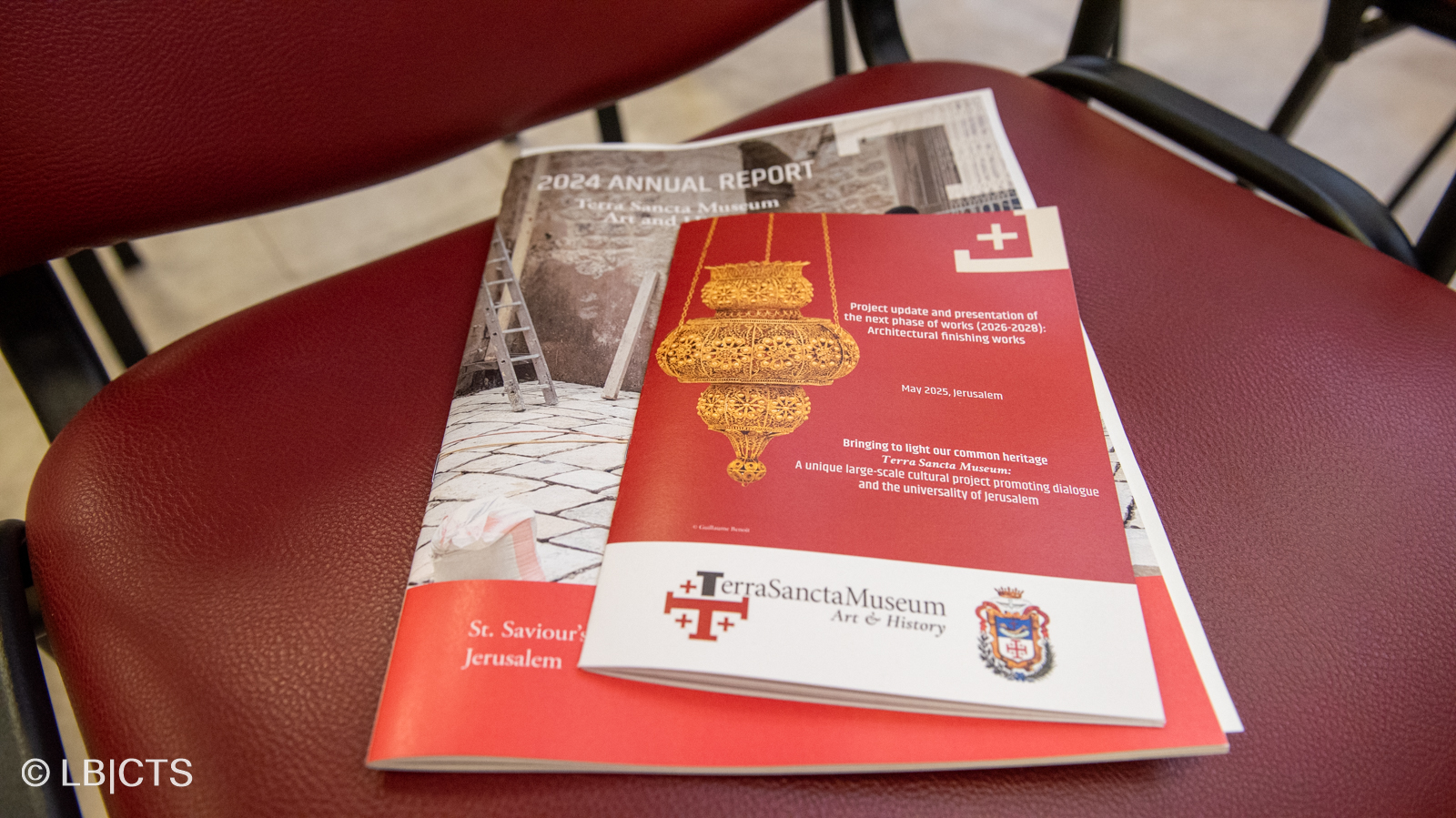
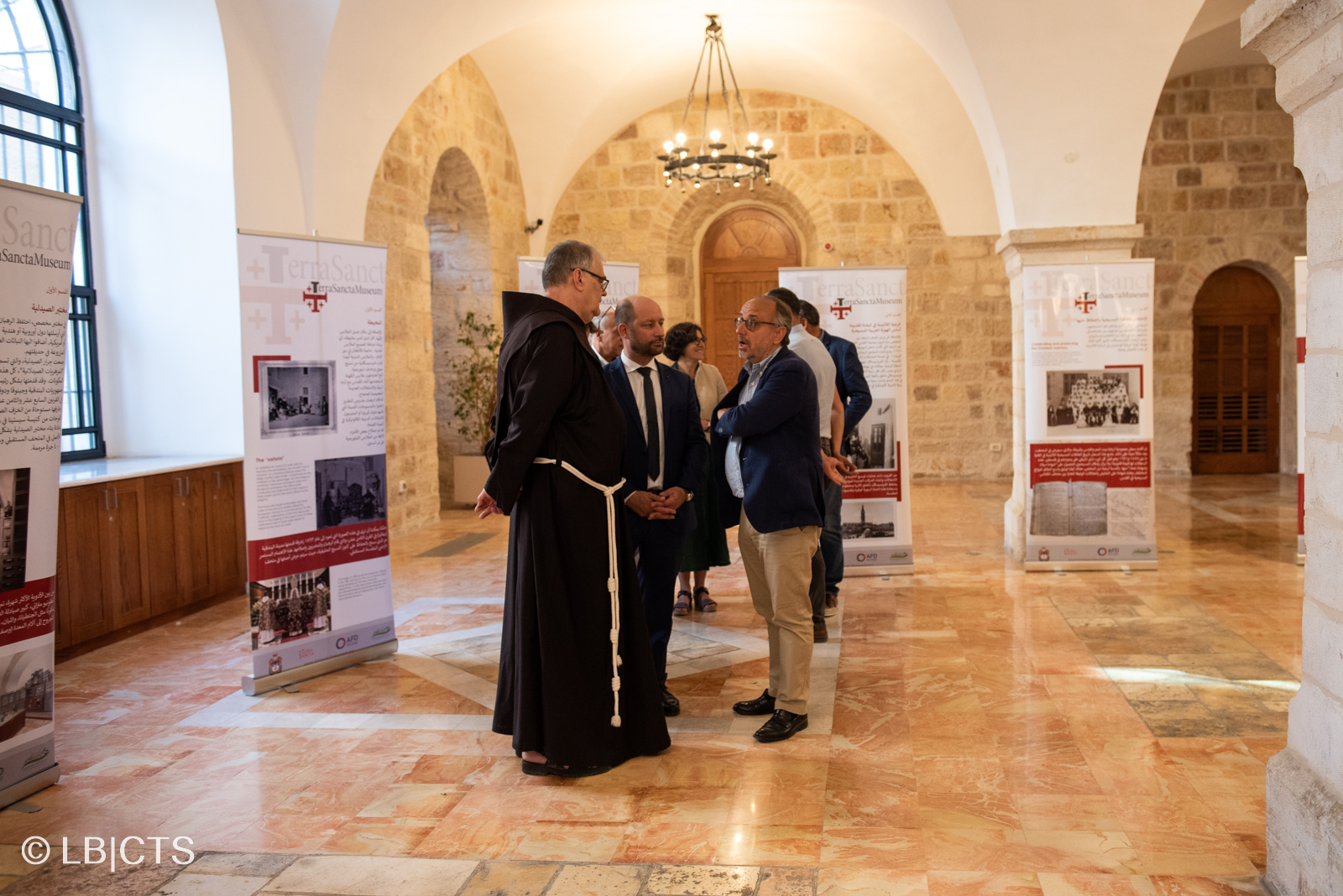
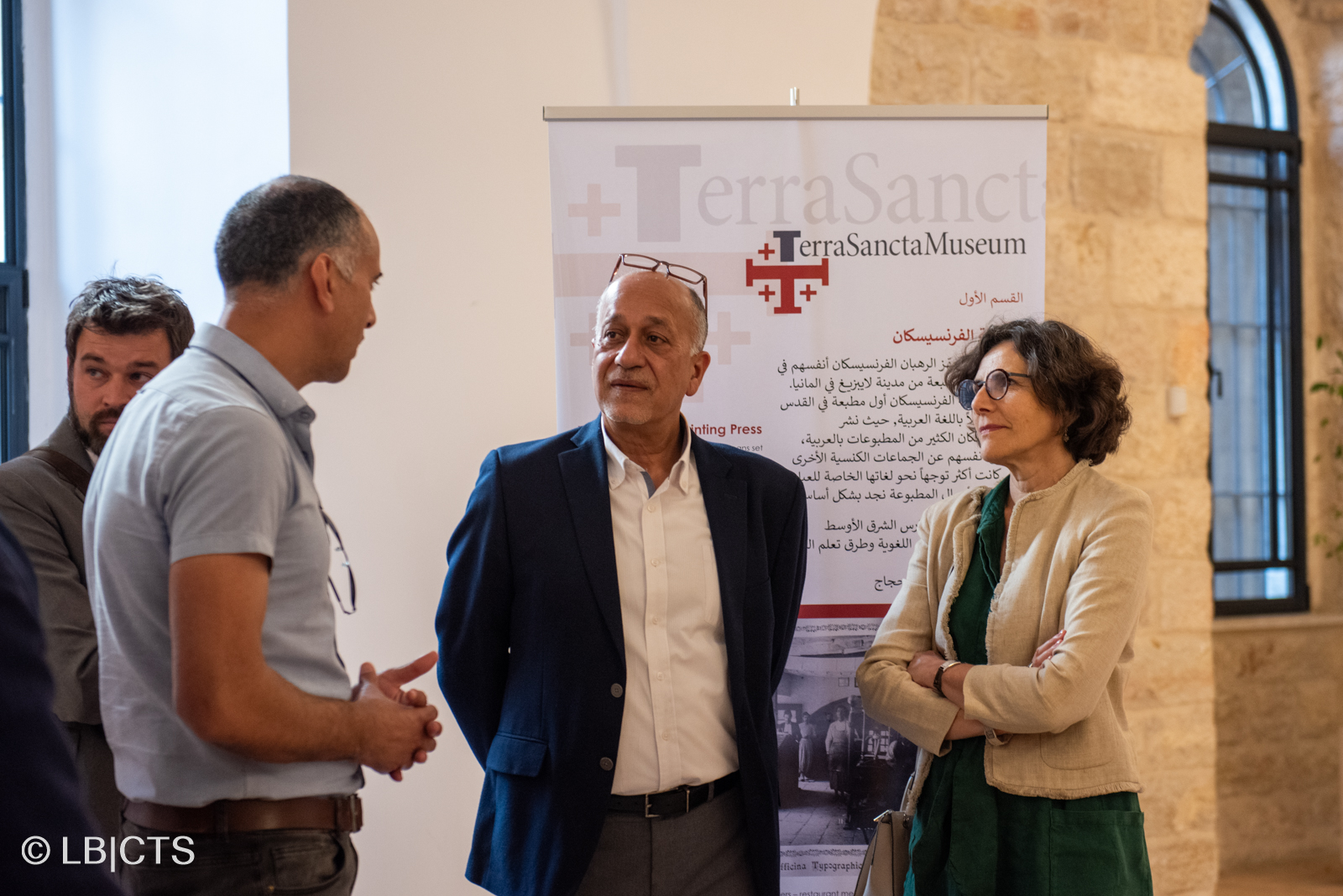
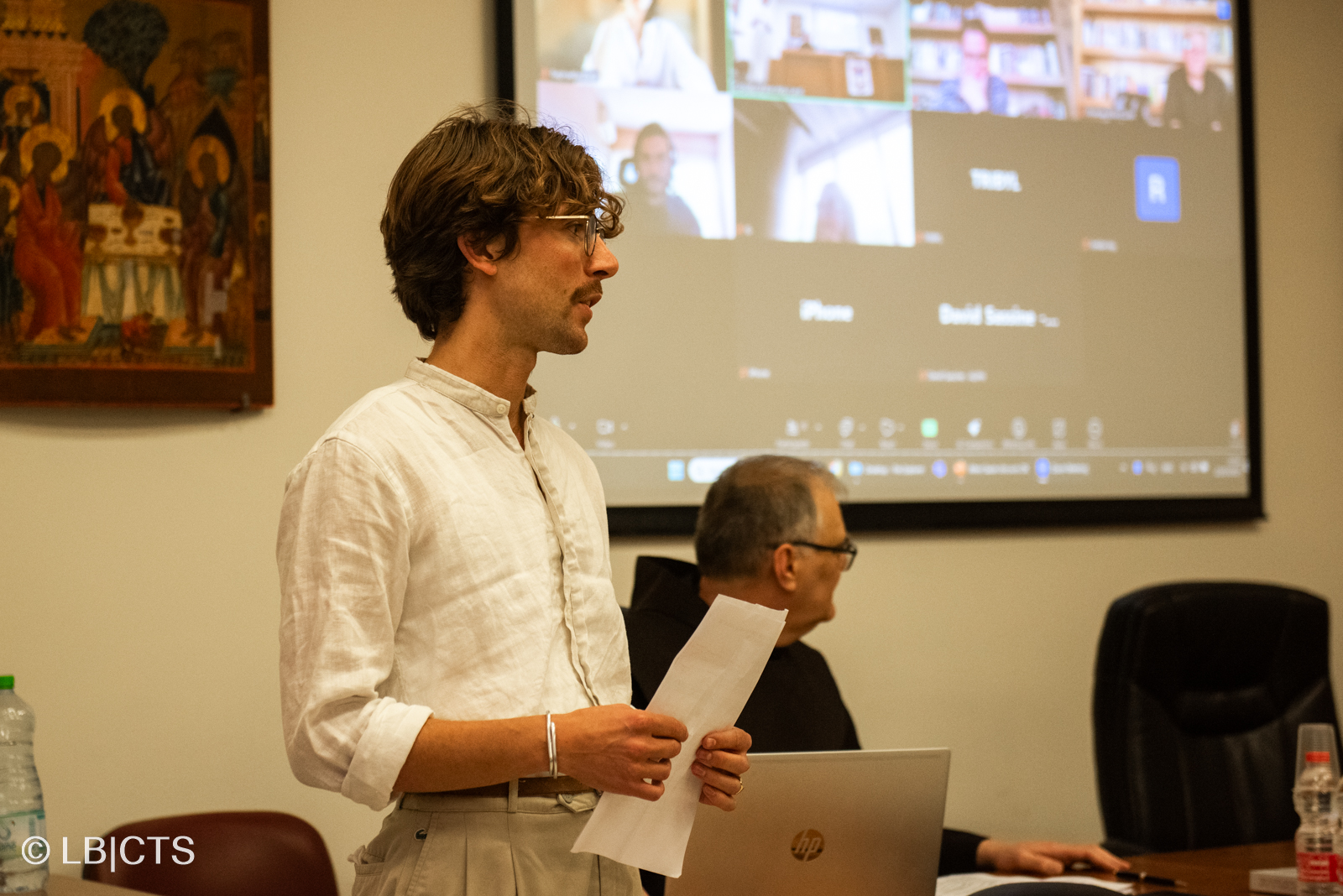
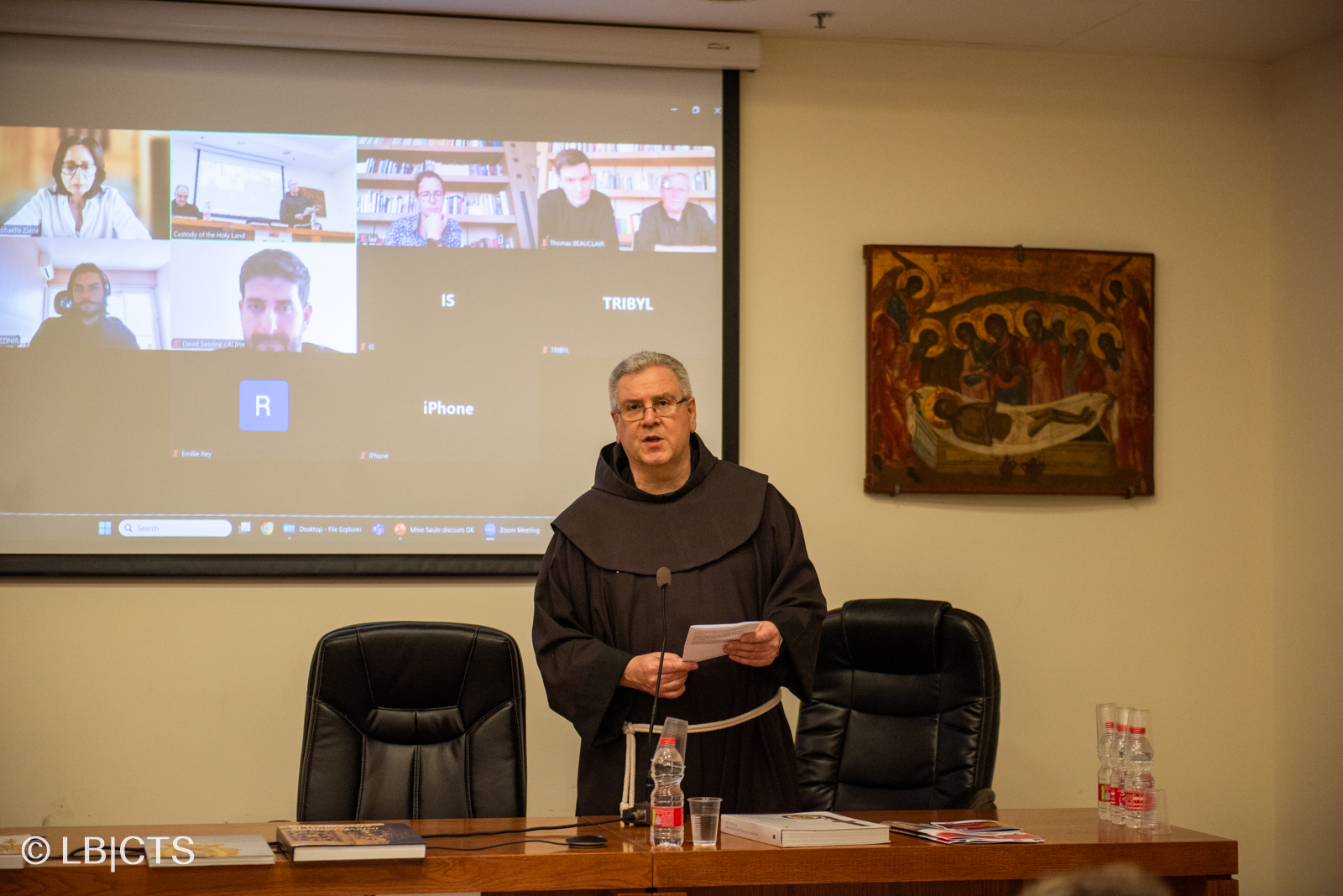
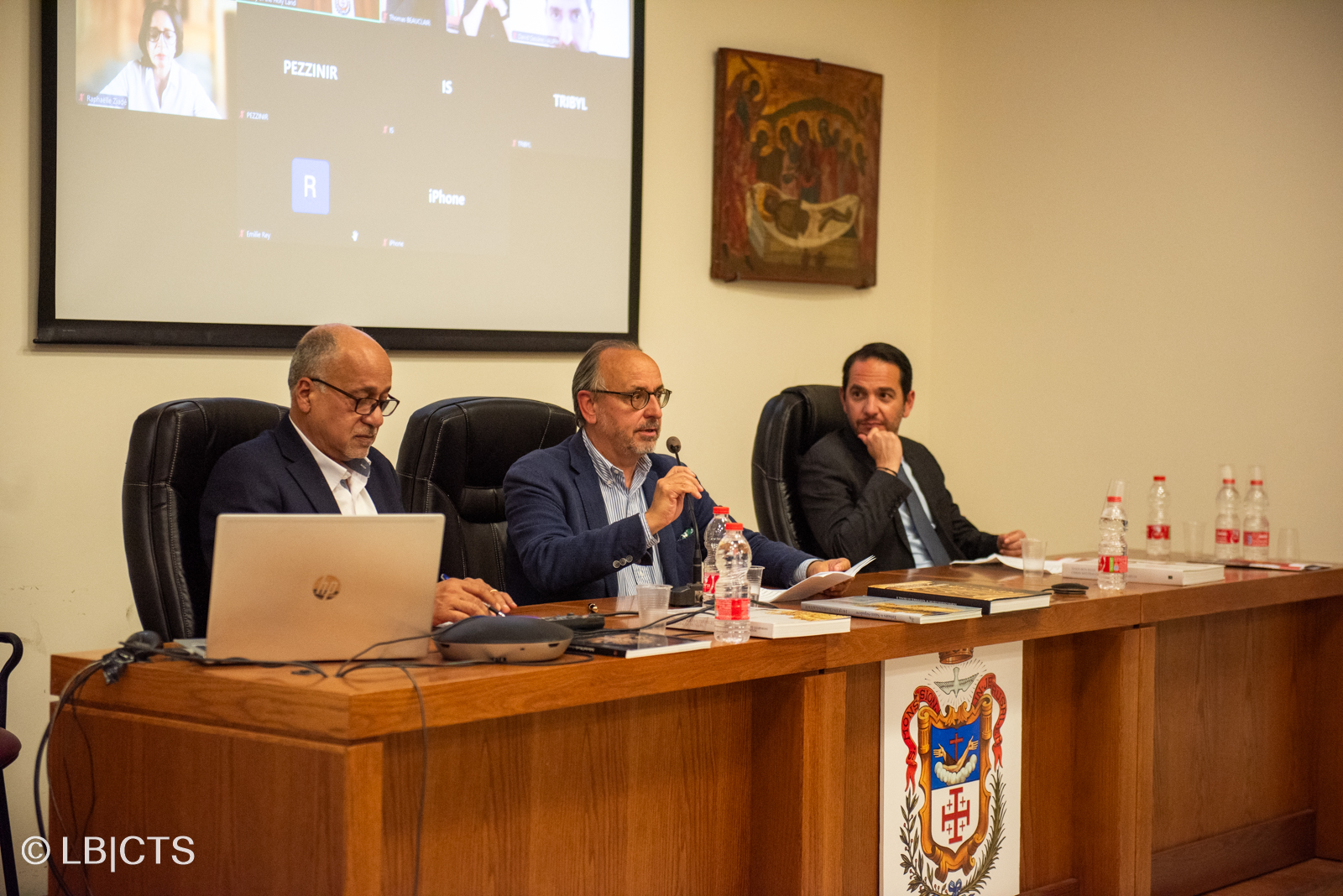
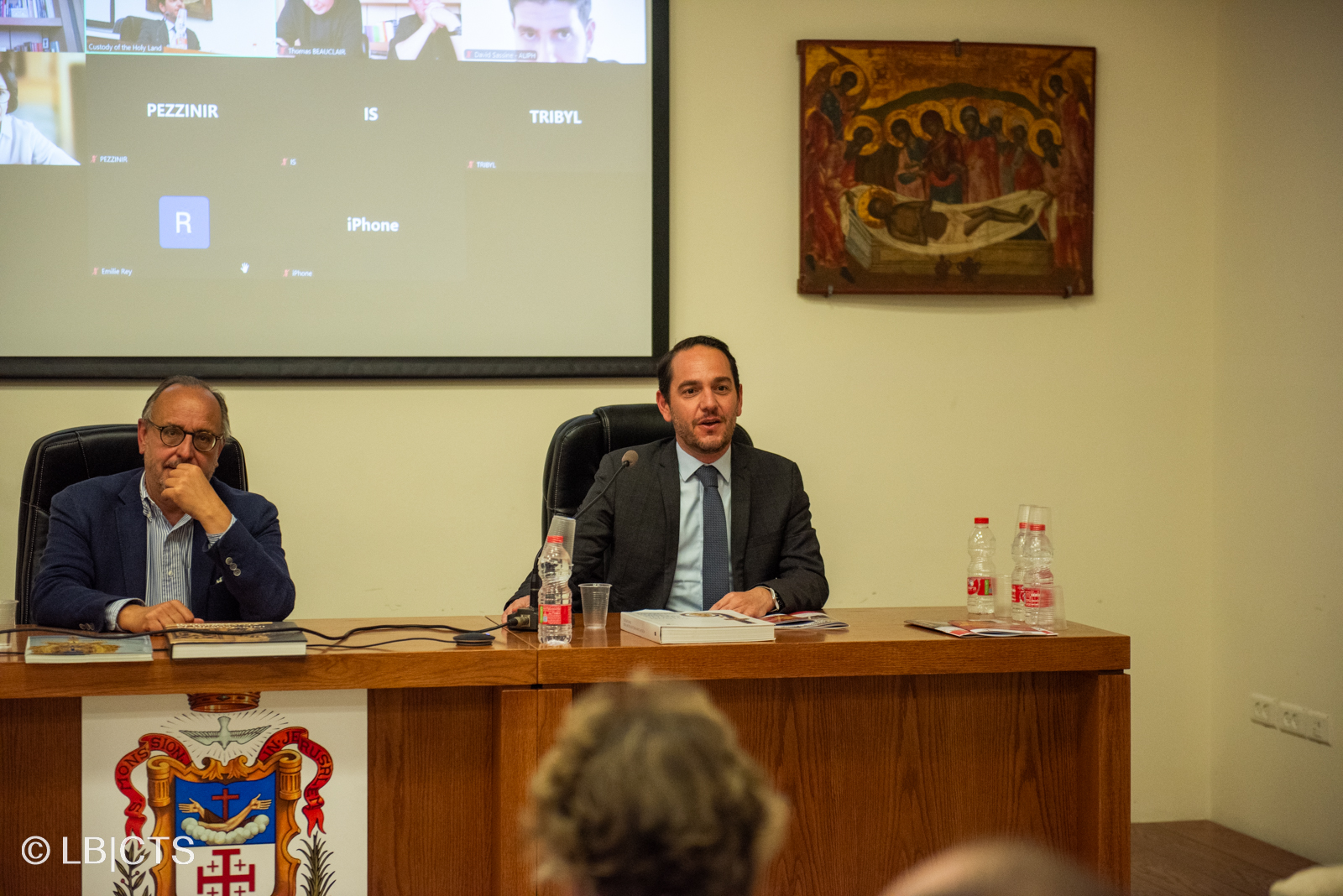
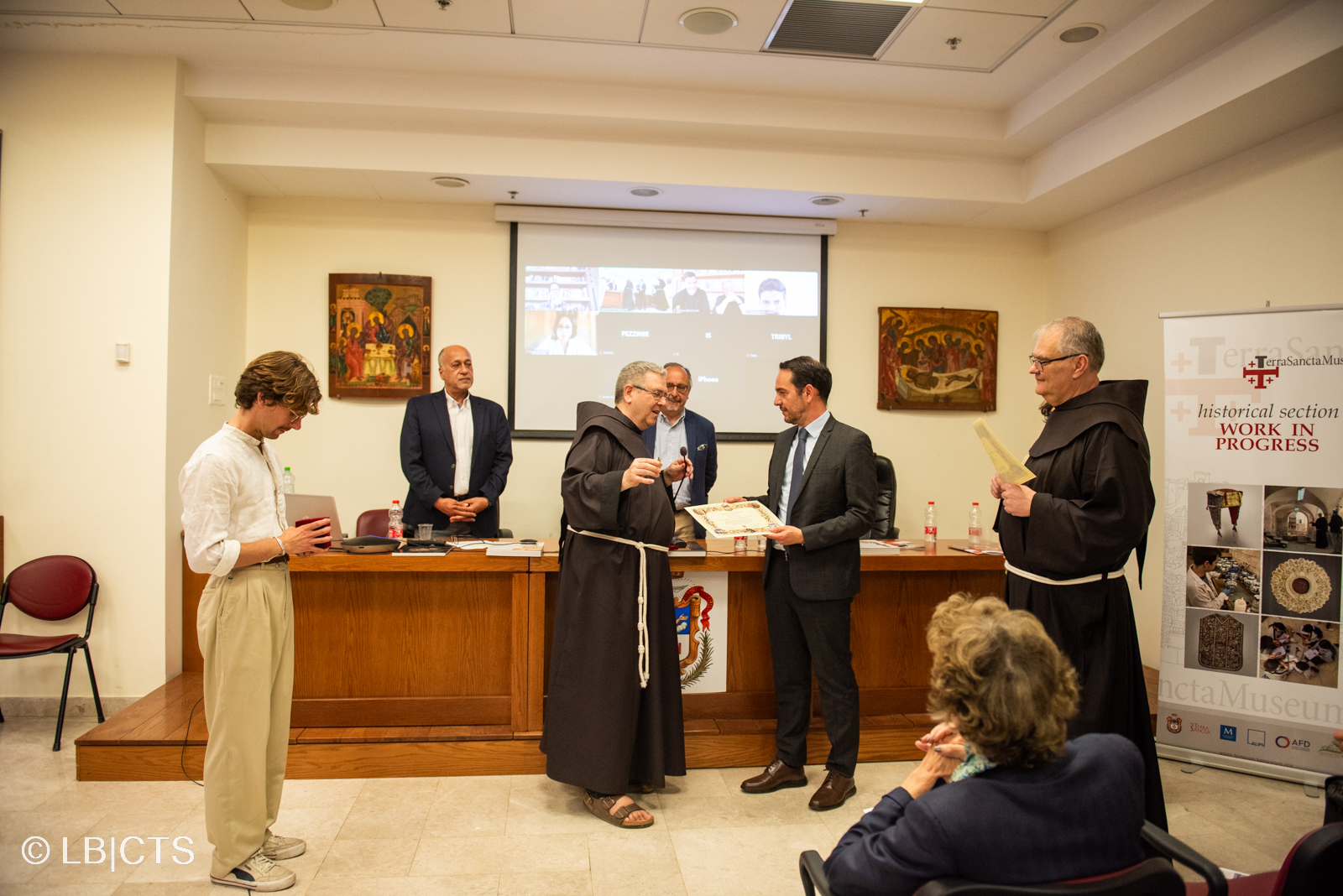
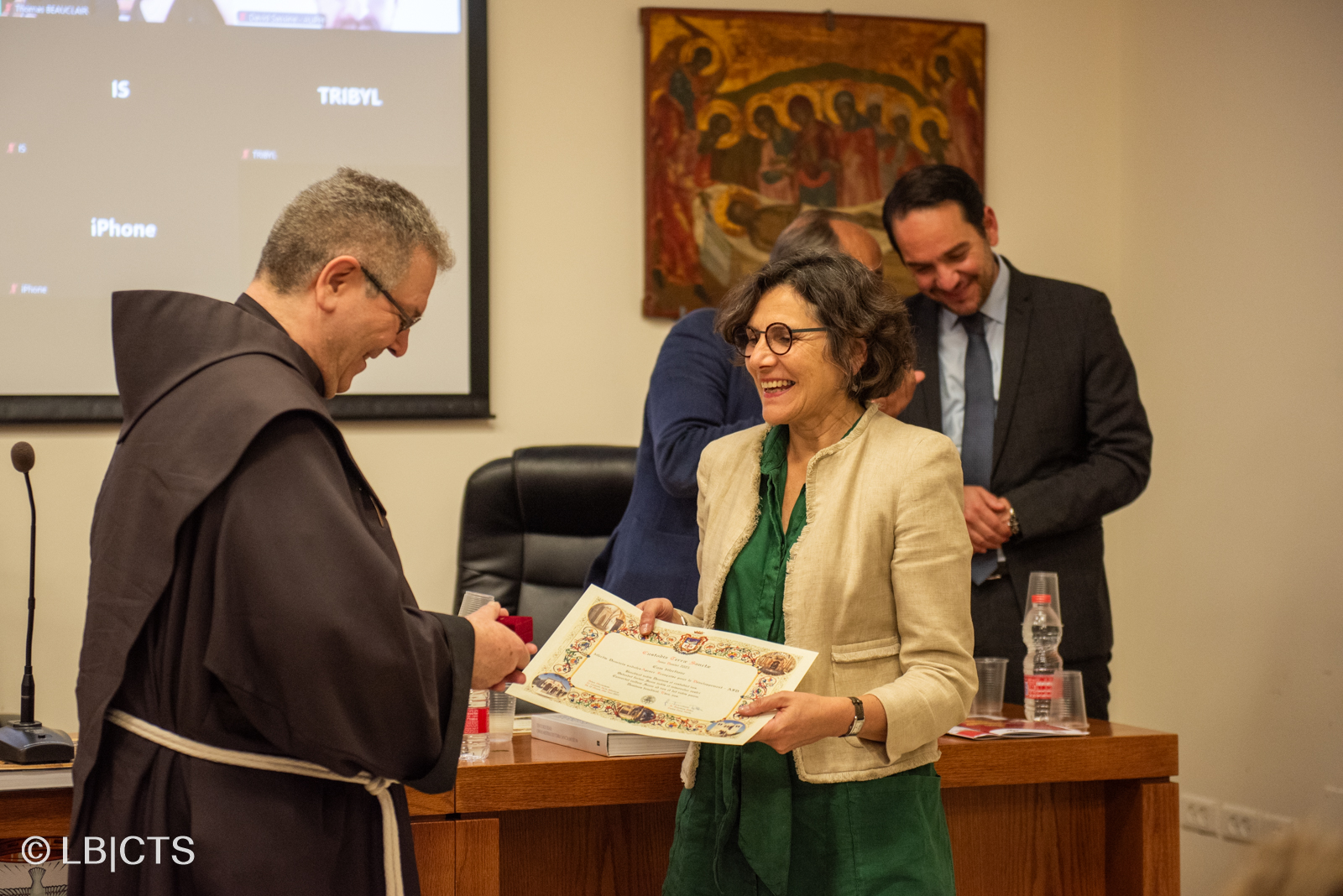
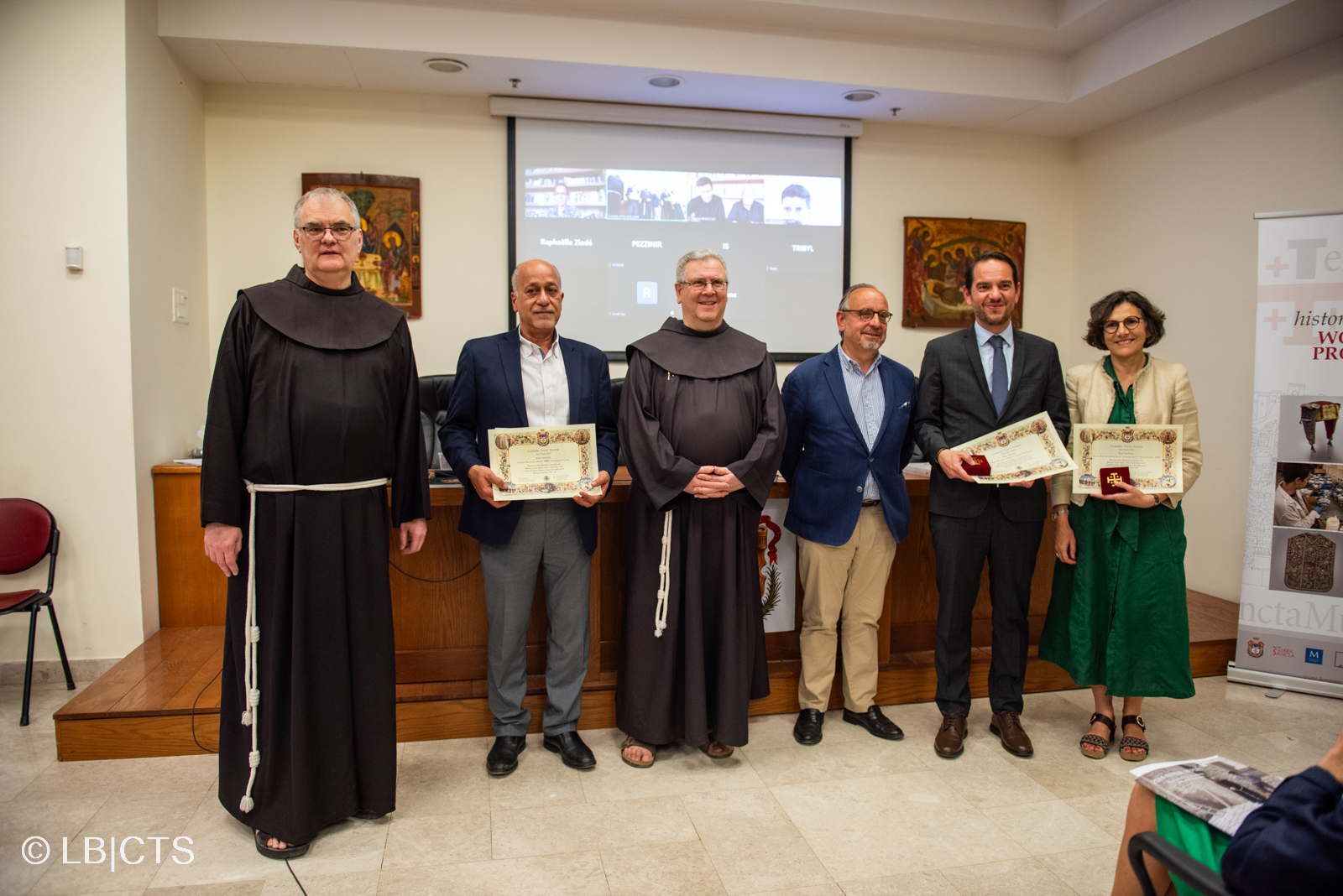
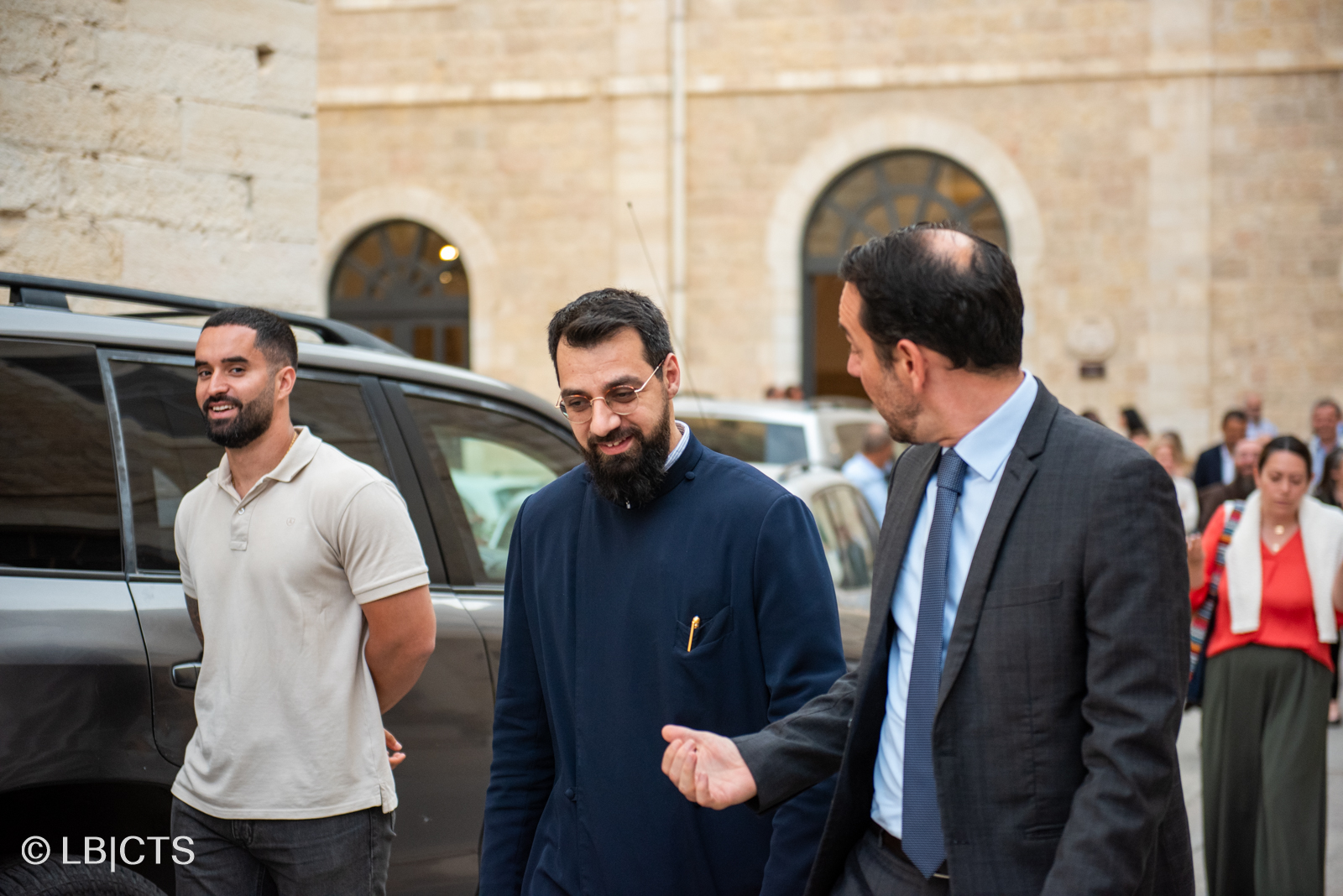
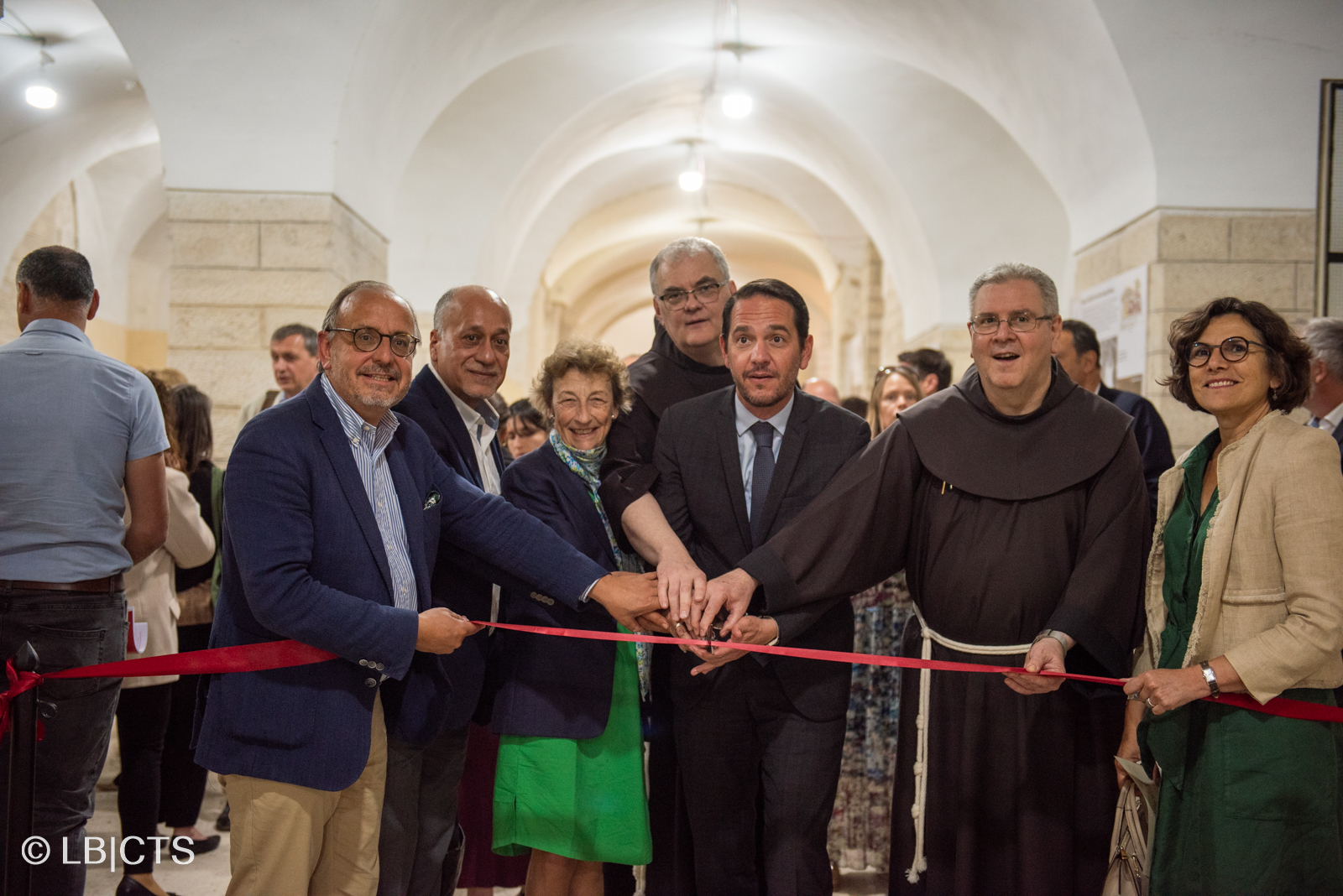
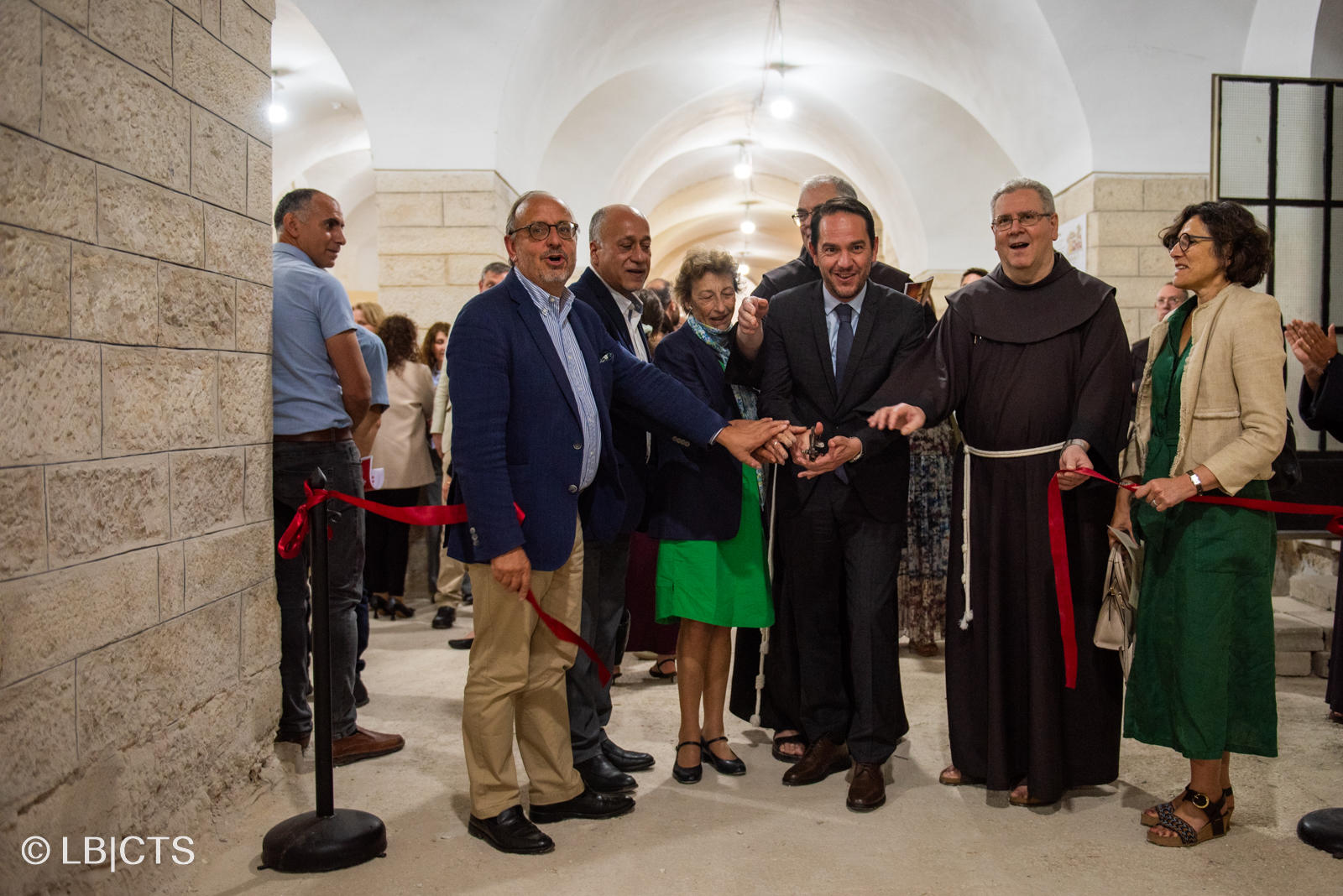
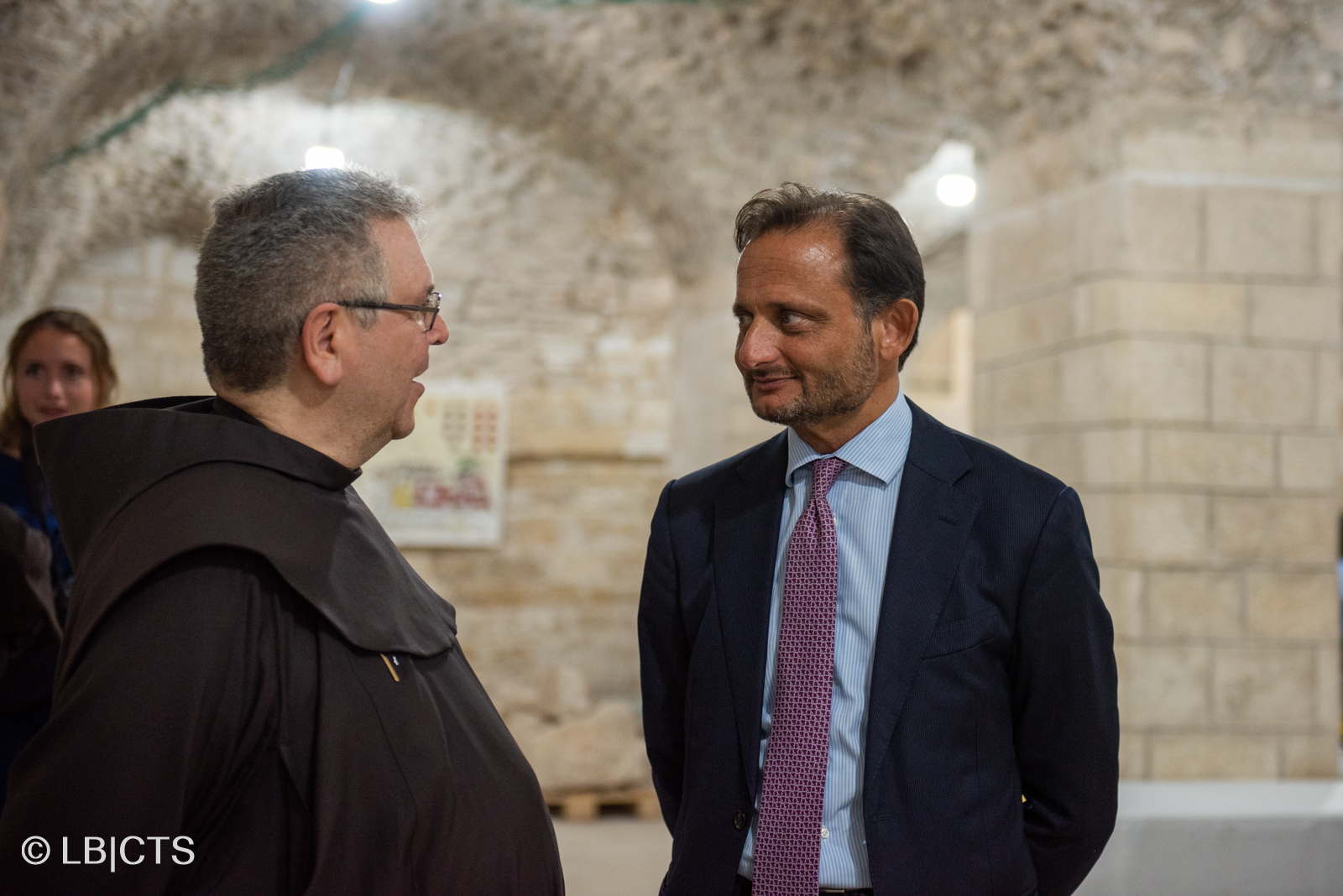
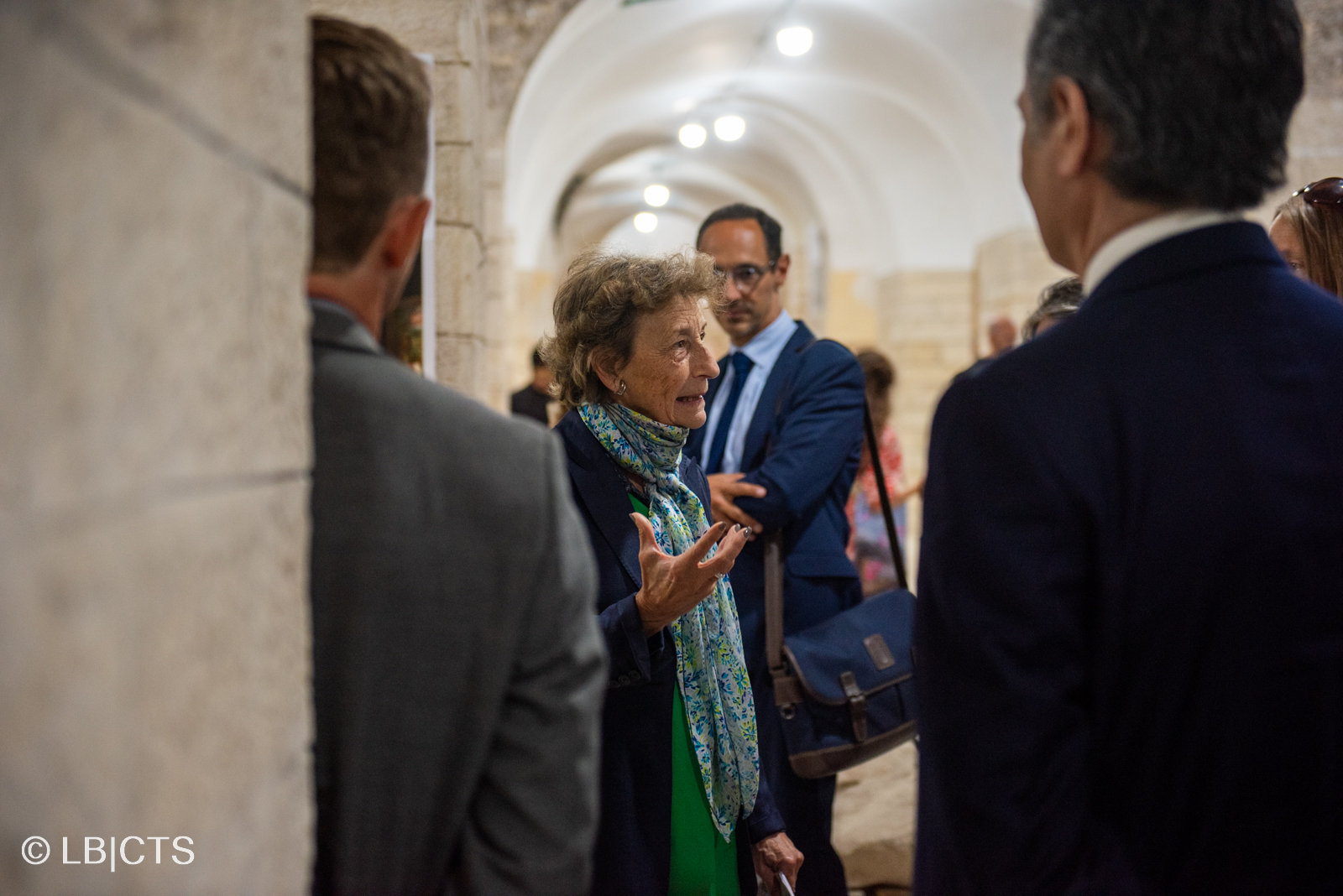
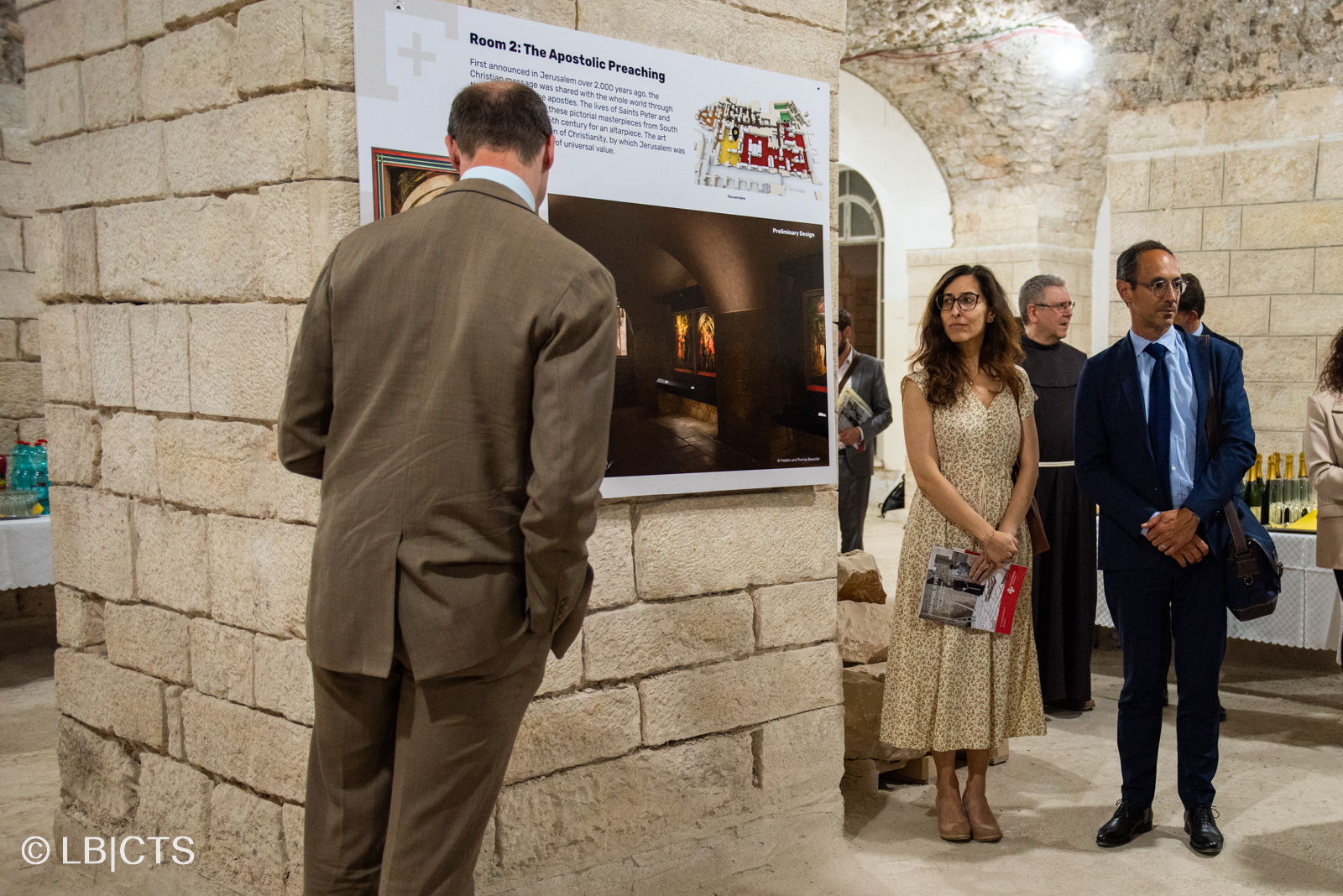
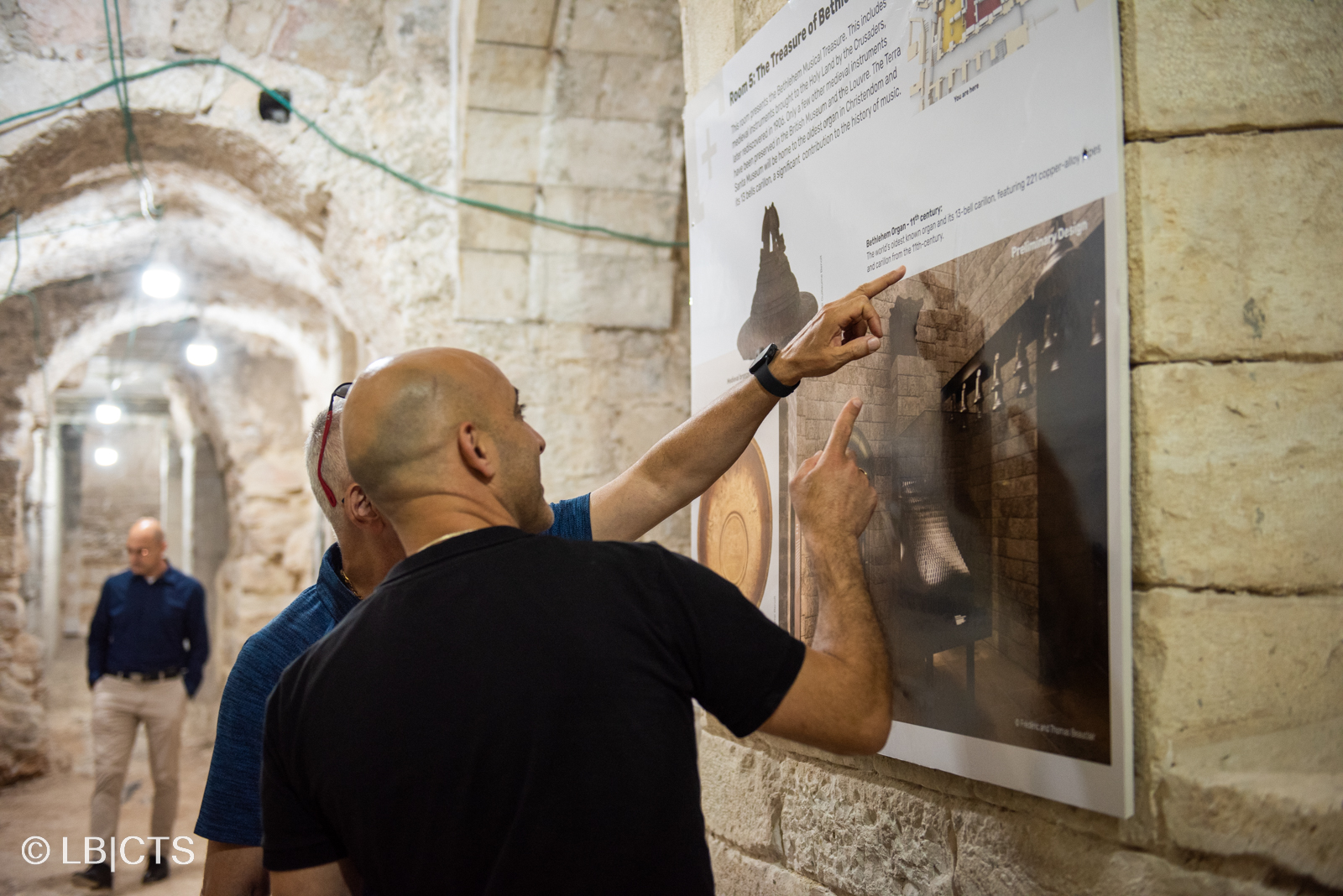
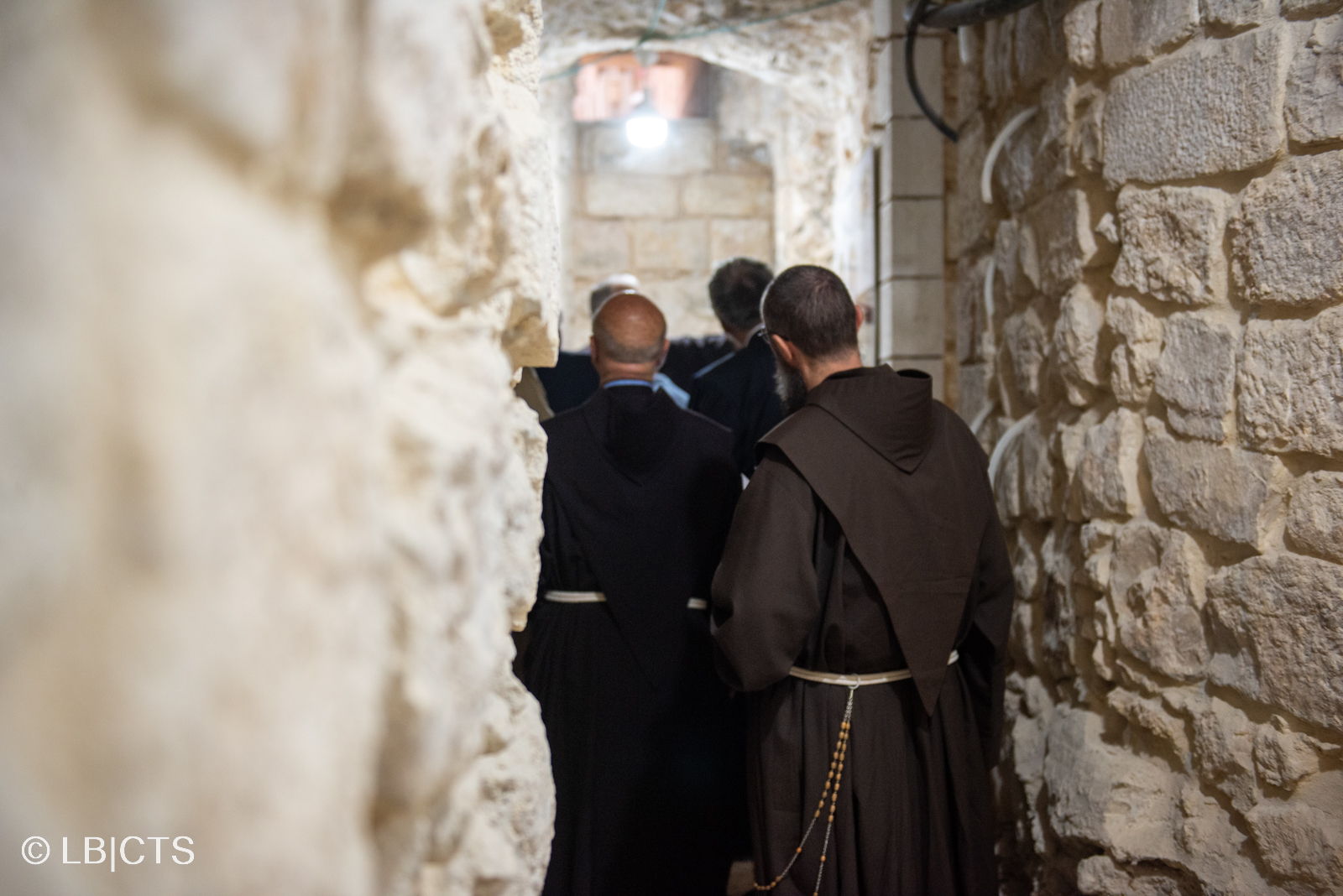
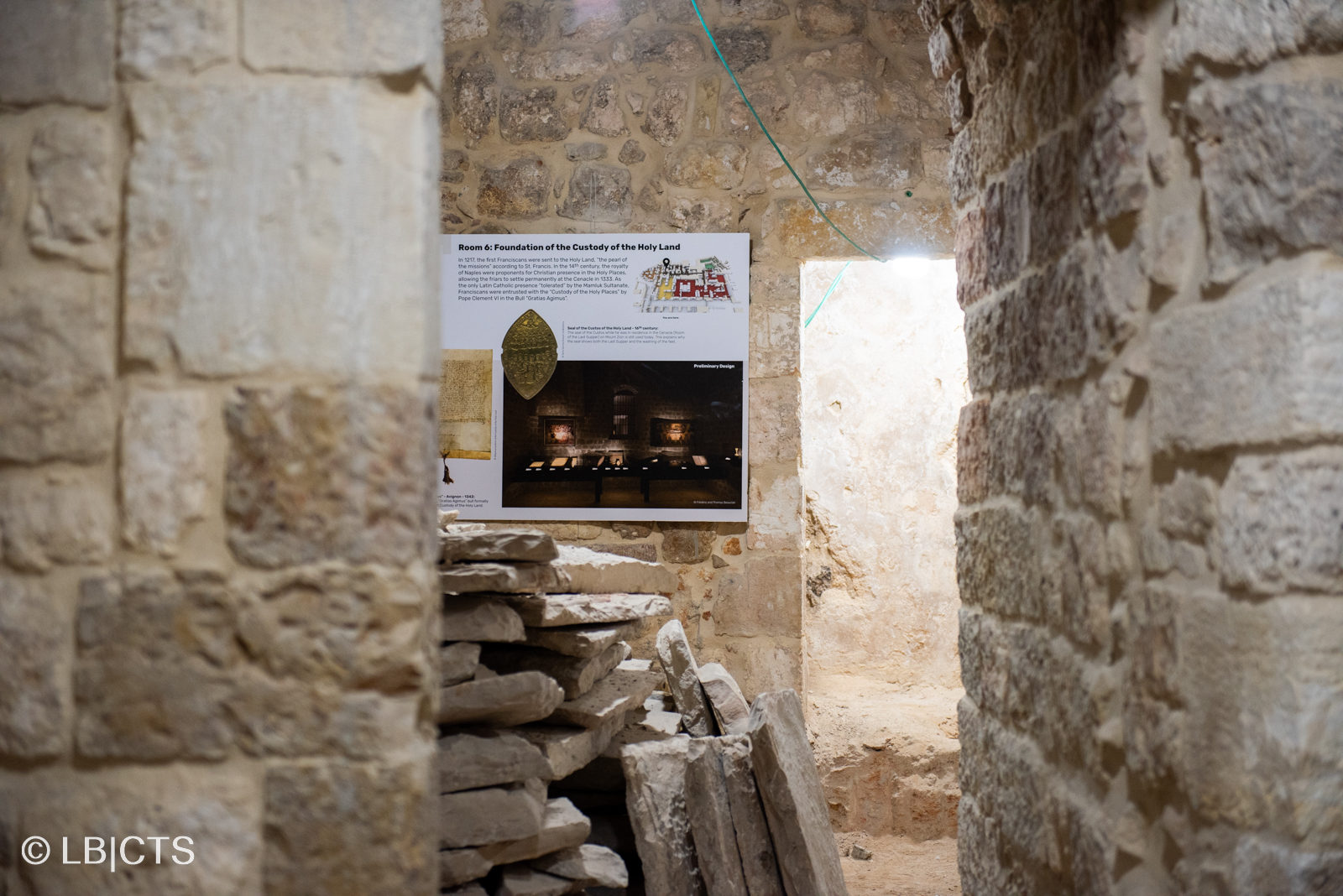
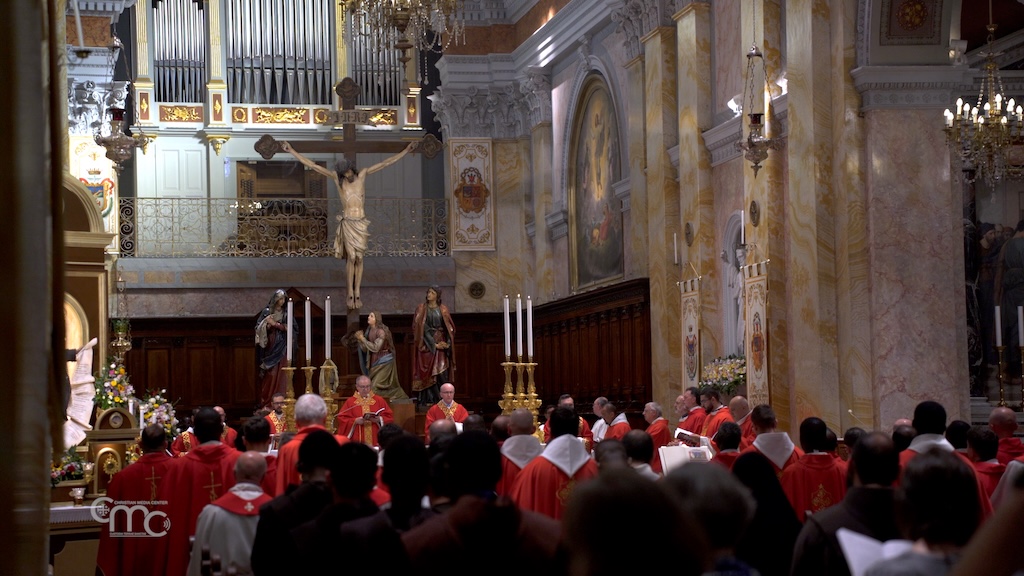
On Monday 12 May, the curia of St Saviour’s convent in Jerusalem was the venue for an event entitled “On the way to opening 2028”. This is a significant stage in the project of the Terra Sancta Museum, marking the end of the first phase of the structural work. The guests, diplomats and delegations from various European countries, were welcomed by Fra Francesco Patton, Custos of the Holy Land, Fra Ibrahim Faltas, the Vicar of the Custody and Fra Stéphane Milovitch, Director of the Cultural Heritage Department of St Saviour’s convent. After an introductory presentation, including topics such as the state of progress of the works, the future appearance of the museum and its mission and specificity, all the attendees were invited to visit the site which in 2028 (the estimated date) will house the rooms of the historical museum of the Custody of the Holy Land.

“The Custody intends to create a great museum here in St Saviour’s precisely to show its epiphany,” said Fra Stéphane. The Franciscan friars in the Holy Land have always worked side by side with the local community and at the same time with the Universal Church. It is this heritage that the Terra Sancta Museum wants to preserve and show to the public.
“The museum will have two sections around the liturgy of the shrines,” Fra Stéphane continued. “The first will be linked to the sacred objects received from European monarchs over the course of the centuries and then there will be a section dedicated to the very many gifts offered by the local Christian community, in collaboration with the Franciscans of the Holy Land.”
In a land marked by conflicts and divisions, now more than ever, the Terra Sancta Museum comes into being with the mission of telling the story of the bond between Europe and the Holy Land and the coexistence between different communities and religions. “This museum,” concluded Fra Stéphane, “aims to be a place of Christian culture and as such a bridge with the other communities. We hope to receive many Jews, Muslims, Christians and pilgrims from all over the world, who can rediscover their roots here in the collections that will be on display.”

The importance of Monday’s event was also highlighted by the presence of representatives from various European countries. Some are active supporters of the Terra Sancta Museum, others have shown an interest in getting to know from close up its vision and the progress made. What they have in common is a shared objective: to contribute to the protection and appreciation of the European artistic and cultural heritage in the Holy Land.
This was also emphasized by Mirko Tricoli, the head of the Italian Agency for Cooperation and Development (ACIS) in Jerusalem. “In this context, Italy wants to pass on a clear message: the preservation of the cultural and religious heritage, which concerns both the Terra Sancta Museum and the Holy Sepulchre, is of inestimable value. It is a commitment that is not only political, but also technical, as it is to include the training of technicians who, in the future, will be able to make good use of the skills they have acquired.”

For the Custody of the Holy Land, the historical museum represents a cultural work that collects objects of great historical and artistic value. However, its specificity is also enriched by the particularity of its mission, to be a privileged path for dialogue in the Holy Land.
As the Custos underlined, “Culture can be a means of dialogue. Pope Francis said this on many occasions, and Pope Leo XIV, in his first speech to the world, also reiterated that it is very important to build bridges in a prospect of peace.”

With this museum, the Custody does not only want to recount past history, but be an active and leading figure in the dynamics of this land, so often in conflict. “The project of the museum pole,” Fra Francesco Patton concluded, “aims on the one hand to make the Custody with its history understood better, but on the other, also to help the peoples and believers who live in this land to have a place where, in the name of culture as well, they can dialogue and build bridges to meet others.”
Lucia Borgato